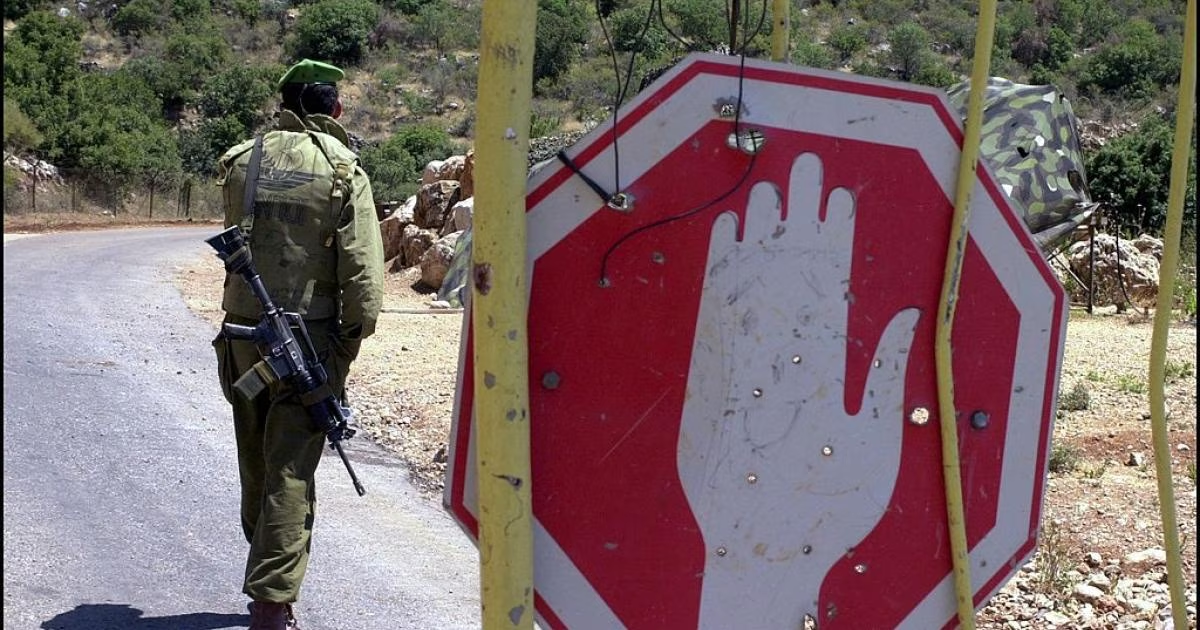







The Israeli occupation army revealed an updated map of what it calls the 'security zone' in Lebanese territories, clarifying that its forces intend to be stationed and deployed up to ten kilometers deep inside the borders. This step comes amidst the occupation's efforts to impose a new reality on the ground aimed at eliminating what it described as military threats and securing northern settlements, disregarding the terms of the recently signed memorandum of understanding between Washington and Tehran, which calls for a cessation of hostilities.
Field sources reported that the new map showed the inclusion of towns and geographical areas that were not under direct Israeli control two weeks ago, most notably the town of Majdal Zoun in the western sector. Occupation forces had carried out incursions into this town before the previous ceasefire agreements faltered, using it as a starting point to move towards areas north of the occupied town of Al-Bayada to strengthen their influence on that front.
In the eastern sector, the occupation expanded its control to include the town of Kafr Tibnit and the strategic Ali Al-Taher heights, areas that have been targets of intense military operations in recent days. This expansion indicates an Israeli desire to control the commanding hills and vital corridors that overlook vast areas of southern Lebanon, complicating efforts to return to the pre-escalation lines.
The area covered by the Israeli map extended to regions north of the Litani River, in addition to a significant expansion in the central sector stretching from the city of Bint Jbeil to the outskirts of the town of Tibnin. These areas witnessed violent airstrikes targeting the towns of Hadatha, Haris, and Beit Yahoun, in an attempt to impose a security belt that prevents any military or civilian presence threatening the security of the occupation's northern borders.
On the political front, media reports revealed increasing American pressure on Tel Aviv to force it to withdraw from the areas it infiltrated in southern Lebanon. Informed sources describe the ongoing negotiations between the two sides as 'stubborn and arduous,' as the occupation attempts to extract long-term security guarantees in exchange for any step towards withdrawal or redeployment away from Lebanese border villages.
Media sources quoted Israeli Channel 12 as saying that the military establishment categorically rejects the principle of 'linking fronts' that international memoranda of understanding might include, and instead seeks to conclude quick bilateral agreements with the Lebanese side. In a related context, the Israeli Broadcasting Corporation stated that the withdrawal issue will be the focus of upcoming talks in Washington next week, where technical details and the proposed timeline will be discussed.
On the ground, military escalation has not stopped despite diplomatic activity, as an Israeli drone targeted a civilian car at the Kafr Tibnit roundabout in the Nabatieh area, resulting in one martyr and one injured. The same town was subjected to renewed artillery shelling, causing severe material damage, while two people were injured after a drone dropped a bomb on the town of Yahoun, in a continuation of the policy of direct targeting of field movements.
In contrast, signs of a gradual return to life have begun in some villages, as residents of the town of Hadatha in the Bint Jbeil district started returning to their homes in coordination with units of the Lebanese army and ambulance teams. This return comes after a harsh period of forced displacement due to intensive raids and military operations that turned large parts of the town into uninhabitable areas in recent weeks.
Lebanese army units, in cooperation with the Al-Risala Association and the Health Authority, are working to open closed roads and remove rubble and obstacles left by the continuous Israeli shelling. Specialized teams have also begun operations to retrieve the bodies of martyrs from the vicinity of the affected towns, under complex security conditions due to the continued intensive overflight of occupation drones over southern skies.
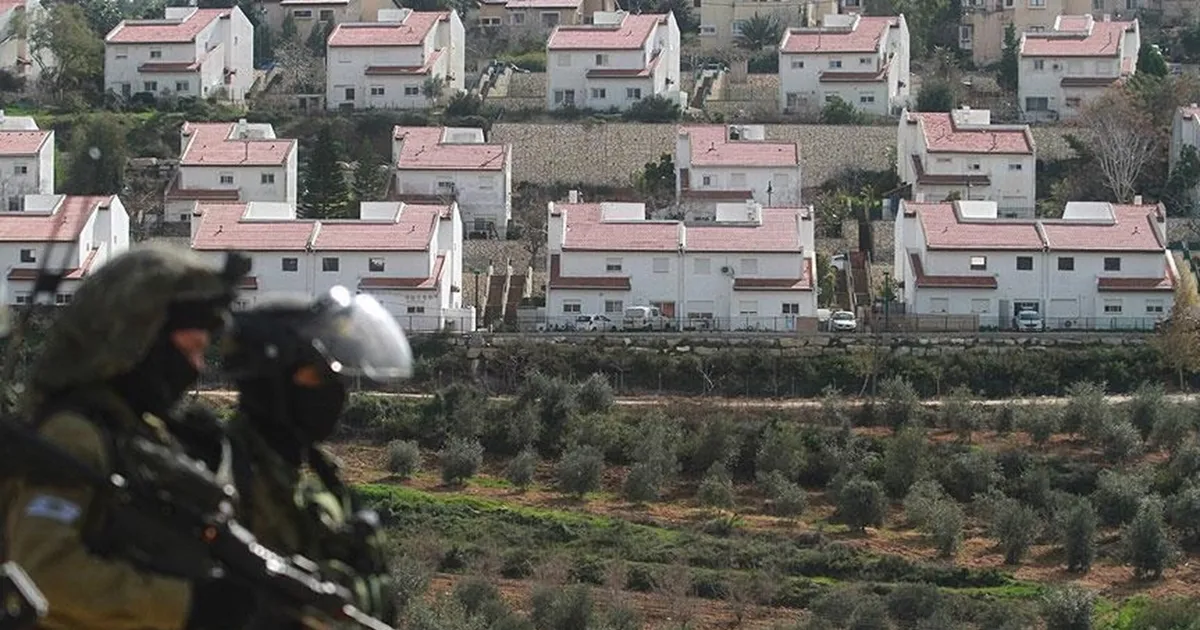
Occupation forces will deploy in this area up to ten kilometers deep inside Lebanese territory to remove threats and enhance northern protection.


Share your opinion
Occupation expands 'security zone' in southern Lebanon, publishes new 10-kilometer deep incursion map