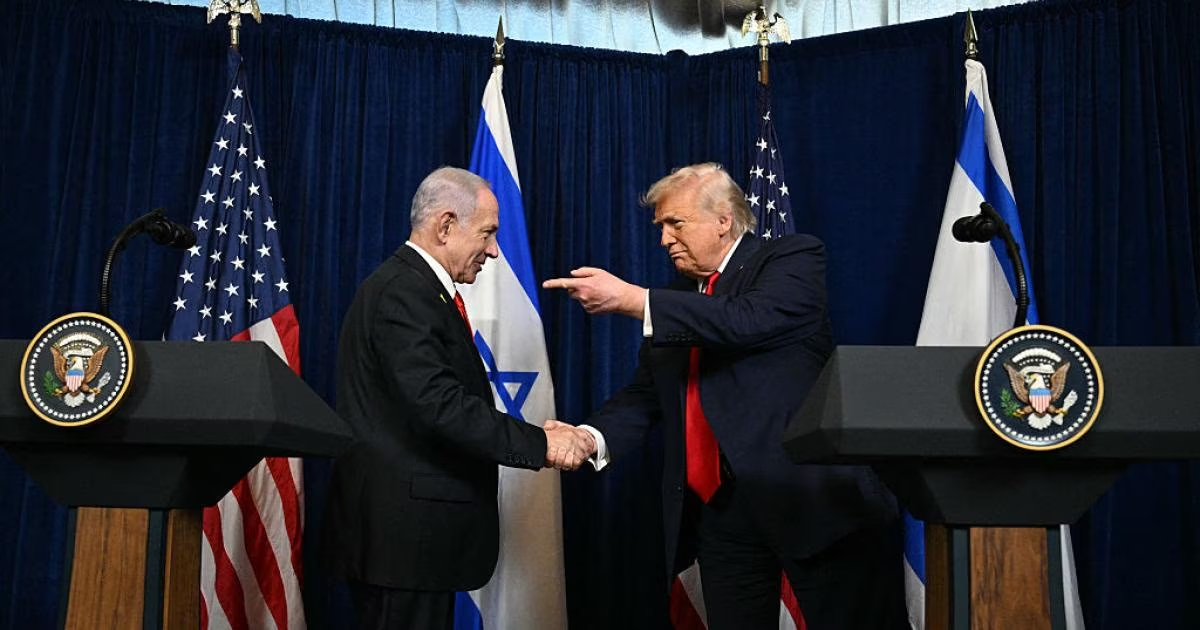







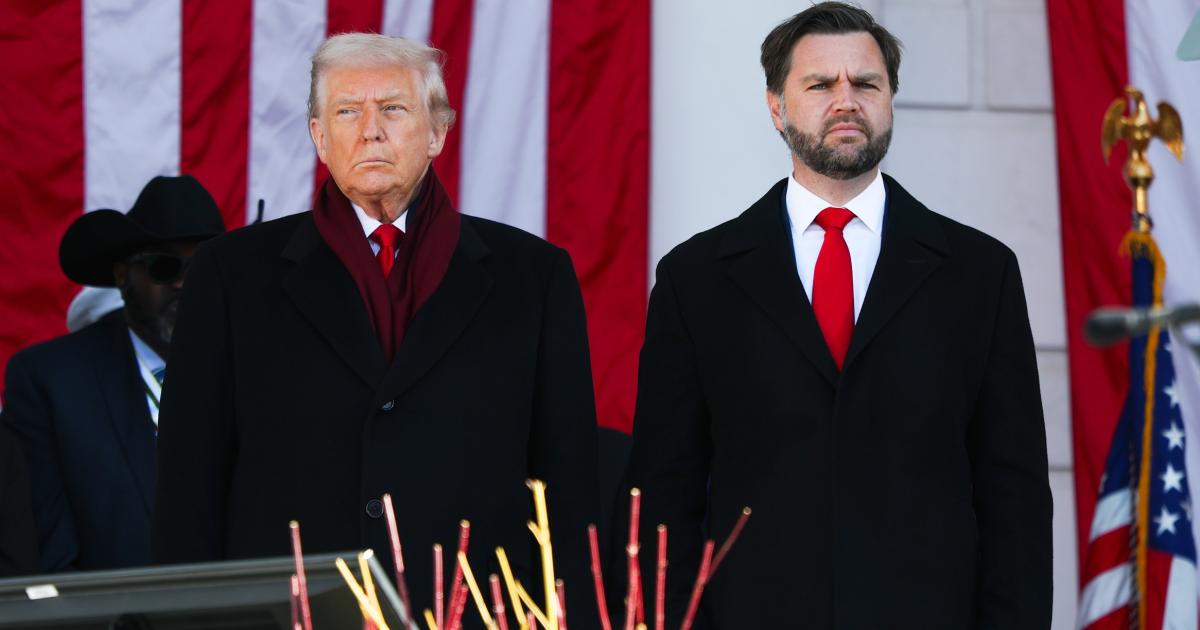
US President Donald Trump announced that ongoing negotiations with Tehran have reached their final stages, expressing great optimism about the possibility of reaching a formal agreement within a few days. Trump clarified that negotiators from both sides are now putting the finishing touches on an understanding he described as 'very good,' indicating that this agreement could come to light in two or three days if things continue as currently expected.
These rapid diplomatic moves come after a round of direct military escalation between Iran and Israel, where the region witnessed an exchange of missile strikes that raised international fears of a full-scale war. Tehran launched advanced ballistic missiles of the 'Kheibar Shekan' and 'Emad' types in response to the targeting of the southern suburbs of Beirut, before the Iranian 'Khatam al-Anbiya' headquarters announced a halt to military operations after a confrontation that lasted about 14 hours.
In the context of US pressure to contain the situation, press sources revealed the content of a phone call between Trump and Israeli Prime Minister Benjamin Netanyahu, where the US President urged him to de-escalate and avoid steps that could lead to an expansion of the confrontation. Trump was quoted as telling Netanyahu clearly: 'You must be careful, otherwise you will find yourself alone,' referring to the possibility of withdrawing US military cover if uncoordinated escalation continues.
For their part, political analysts believe that the latest round of escalation, despite its seriousness, contributed to accelerating the pace of diplomatic negotiations, as the Iranian strike demonstrated Tehran's possession of effective deterrent capabilities that cannot be ignored. Informed sources indicated that the current US administration does not wish to engage in a new regional war, which prompted it to bypass Israeli reservations and move forward with direct understandings with the Iranian side.
On the ground, Tehran insists on linking any political understanding with Washington to the necessity of stopping the Israeli war on Lebanon, which Tel Aviv rejects, demanding the separation of military tracks. While the Iranian Foreign Ministry confirms that diplomatic channels are still open, Iranian President Masoud Pezeshkian stressed his country's commitment to the negotiation path despite the existing military tensions on the ground.
As part of Iranian preparations, technical reports indicated that Tehran has restored full operational capability at 30 missile sites directly overlooking the strategic Strait of Hormuz, strengthening its negotiating position. These developments coincide with varying intelligence estimates regarding the size of Iran's remaining missile arsenal, with estimates between Washington and Tel Aviv differing on the number of long-range missiles ready for launch.
On the humanitarian and logistical level, the Rafah and Kerem Shalom crossings were reopened in recent hours after a temporary closure imposed by the recent military escalation, allowing the resumption of supply movements. Regional and international parties are now monitoring whether the current truce will become an entry point for a comprehensive political settlement in the region, or if it is merely a temporary respite preceding a new round of direct confrontations.
I told Netanyahu: You must be careful, otherwise you will find yourself alone.

Share your opinion
Trump announces 'historic' deal with Iran is imminent and warns Israel of isolation