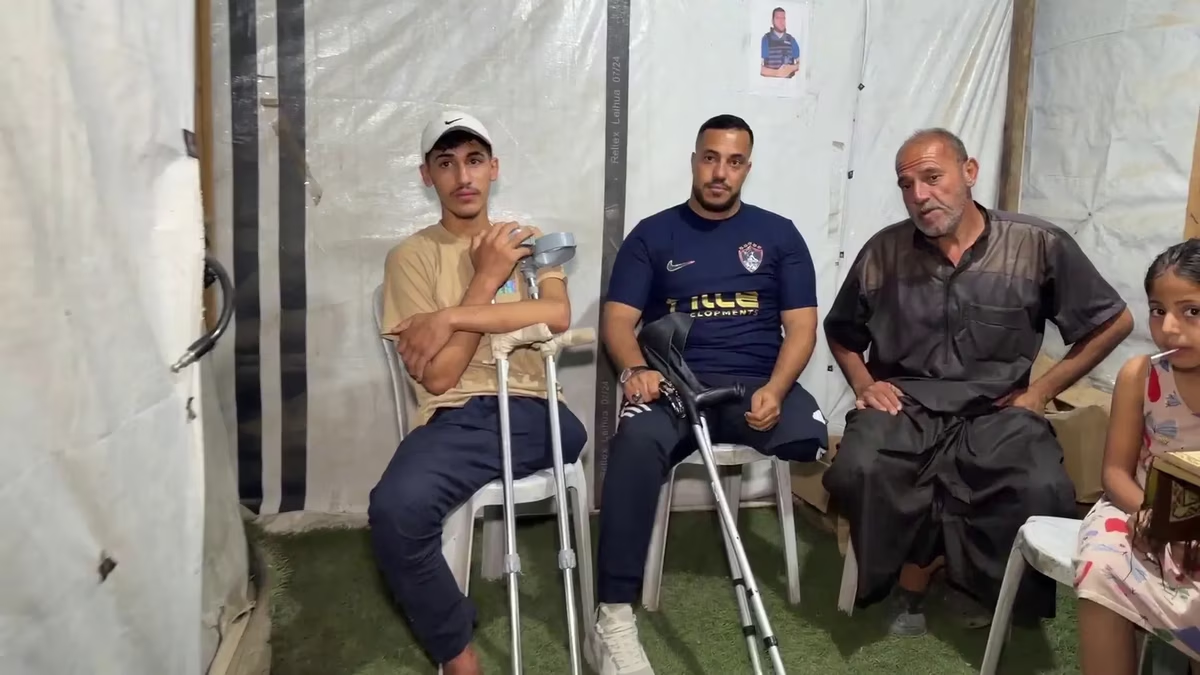







Thousands of wounded individuals in the Gaza Strip face a tragic reality after doctors were forced to amputate their limbs to save their lives amidst catastrophic health conditions. Young Ahmed, who aspired to become an architect, today represents thousands of injured people struggling to adapt to their permanent disabilities in an environment lacking the most basic medical and rehabilitation care. The war has transformed the dreams of an entire generation into a daily struggle for movement and survival.
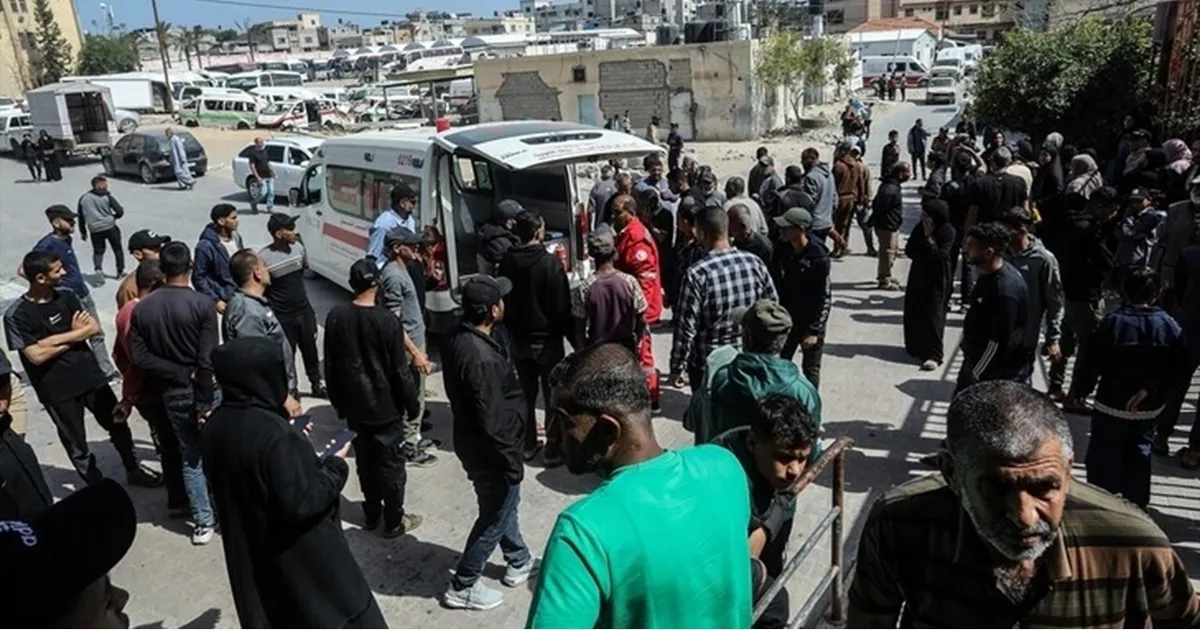
The suffering of the injured begins from the first moments of the decision to amputate, which is often made under harsh conditions due to severe overcrowding in the remaining medical points and a shortage of medicines and antibiotics. Medical sources reported that doctors are sometimes forced to perform complex surgeries with primitive tools and insufficient anesthesia. The wounded also face the risk of serious complications and severe infections at the amputation site, which may necessitate re-surgery at higher levels to prevent the spread of gangrene.
After the wounds heal, the dilemma of obtaining prosthetic limbs arises, as the only specialized center in the Strip has ceased operations due to extensive damage. Strict restrictions on crossings pose a major obstacle to the entry of raw materials and technical components necessary for manufacturing and maintaining prosthetics, depriving amputees, especially children whose body measurements change rapidly, of the opportunity to regain their mobility independence and live their lives normally.
In addition to physical disability, the injured suffer from deep psychological crises, manifested in the phenomenon of 'phantom limb pain,' where the brain continues to send painful signals to the site of the lost limb. These psychological traumas are exacerbated by the loss of the ability to work or support families, especially while living in tents and shelters that are completely unprepared to accommodate people with special needs, deepening feelings of helplessness and severe depression among the injured.
The only hope for these wounded individuals remains dependent on the sustainable opening of crossings to allow them to travel abroad for specialized rehabilitative treatment. The families of the injured and medical organizations appeal to the international community for urgent intervention to provide modern prosthetic limbs and rehabilitation staff, to ensure that these injuries do not turn into permanent disabilities that accompany the victims throughout their lives and deprive them of their right to a dignified future.
"We were sometimes forced to prioritize patients and perform rapid amputations with primitive tools and insufficient anesthesia to save their lives, but post-operative care is the real crisis now."
Share your opinion
Amputees in Gaza: The Battle for Survival Amidst Scarcity and the Dream of Closed Crossings