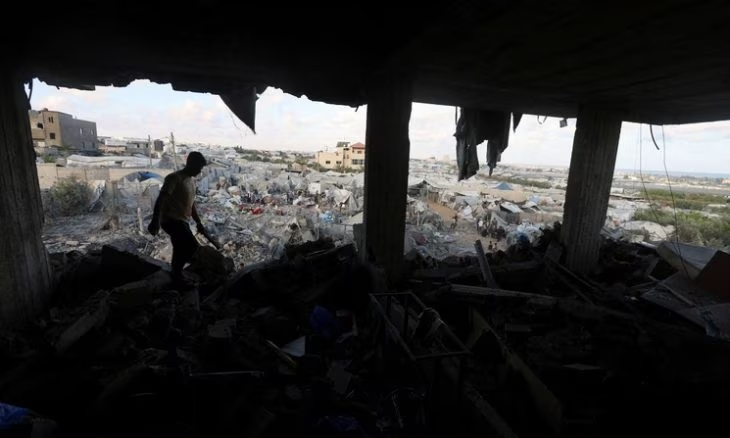







Intensive meetings continue in the Egyptian capital, Cairo, involving representatives from eight Palestinian factions with mediators from Egypt, Qatar, and Turkey, aiming to explore ways to develop the ceasefire agreement in the Gaza Strip. These movements come amid significant field complexities imposed by ongoing Israeli escalation and new conditions set by the occupation government to obstruct reaching final understandings.
Informed sources reported that the first day of discussions saw three separate meetings, primarily focused on reviewing proposals for developing de-escalation and addressing obstacles set by Israel. During these meetings, Palestinian factions stressed the necessity of adhering to the full implementation of the first phase of the previous agreement before moving on to any discussions related to the second phase.
In the context of the pressures exerted, mediators are striving to present approaches aimed at overcoming fundamental points of contention, especially with Israel's insistence on linking the transition to the second phase with the start of implementing the 'disarmament of the resistance' clause. Tel Aviv, supported by positions from the 'Peace Council,' also links any reconstruction operations or the entry of humanitarian aid to Gaza with the fulfillment of this condition, which the resistance completely rejects.
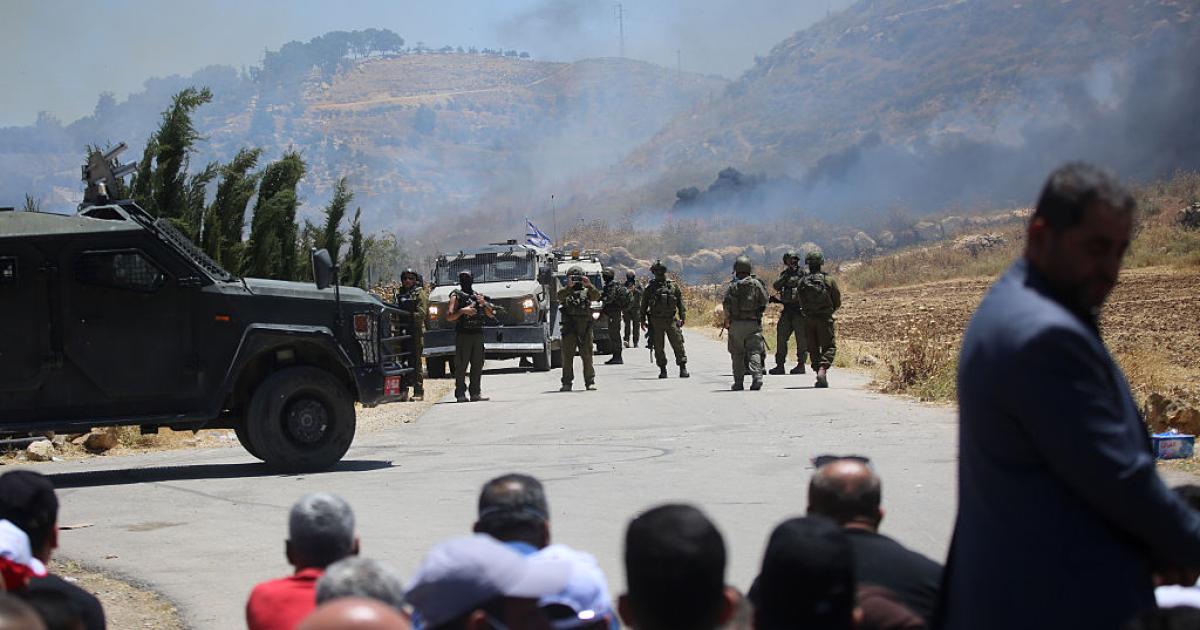
Sources confirmed that the negotiating atmosphere faces extreme difficulties, particularly after Israel rejected mediators' requests for 'field de-escalation' coinciding with the current round. Instead, occupation forces escalated killing and destruction operations and targeted displacement centers, in a direct message reflecting their intention to continue the policy of assassinations and widespread military control.
Participating factions called on international mediators to demand that the US administration and international bodies take firm stances obliging the occupation to stop the escalation. They clarified that no negotiating round can achieve tangible success amid the continued suffocating siege and systematic killing operations targeting civilians in various areas of the Strip.
Regarding reports about 'Dahlan's plan' to manage the Gaza Strip, the informed source denied discussing this proposal during official meetings in Cairo. He affirmed that there is a national consensus on forming a specialized committee to manage Gaza's affairs during a transitional phase, away from previous organizational forms, stressing that the multiplicity of external proposals contributes to the failure of the national project.
For their part, political analysts warned that proposing projects for Gaza's administration in isolation from the Palestine Liberation Organization and the Palestinian Authority could lead to the final geographical and political separation between the Strip and the West Bank. They considered that the absence of major national forces from these negotiations serves agendas seeking to transform the Palestinian issue from a national liberation cause into merely a humanitarian and security crisis.
In press statements, the spokesman for the Hamas movement affirmed that the movement is open to any approaches that guarantee the rights of the Palestinian people and stop the genocide war. He called for the necessity of correcting the performance of the 'Peace Council' to be faithful in implementing the ceasefire plan, instead of siding with the Israeli narrative that aims to impose a new security reality.
Resistance leaders stressed that a unified Palestinian stance is the essential pillar for confronting international pressures, affirming that the factions will carefully study what the mediators present to build a joint response. They clarified that any attempt to link the humanitarian file with complex political or military files is an attempt to blackmail the Palestinian people in their livelihood and security.
On the sidelines of the de-escalation meetings, the Popular Front, the Democratic Front, and the National Initiative held a tripartite meeting to discuss developments in the internal situation and presidential decrees related to elections. These forces affirmed that rebuilding the Palestinian political system requires a comprehensive national dialogue that includes all components without exception, to ensure the legitimacy of national institutions.
The three forces called for the necessity of agreeing on the laws regulating the democratic process, including the electoral system for the Palestinian National Council, to enhance the principle of partnership. They believed that the true value of elections lies in their connection to a national project that restores respect for the resistance and places the fixed rights of the Palestinian people at the forefront of priorities.
In contrast, criticisms emerged from PLO factions that were absent from the Cairo meetings, considering that the dialogues were taking place under a 'low political ceiling.' Officials in these factions pointed out that the absence of the legitimate and sole representative raises questions about the ability of any resulting understandings to address the core of the conflict with the occupation.
Observers warned that the ongoing arrangements might turn into mere 'crisis management' instead of resolving it, giving the occupation additional time to impose new realities on the ground through settlement and annexation. They affirmed that the greatest danger lies in imposing political and security guardianship over parts of the homeland, which blocks the path to establishing an independent Palestinian state with Jerusalem as its capital.
The deliberations in Cairo concluded that the next phase requires field and political unity that transcends current divisions to face fateful challenges. The bet remains on the ability of mediators to pressure the Israeli side to stop its aggression and provide real guarantees for implementing a comprehensive agreement that ends the suffering of millions of Palestinians in the Gaza Strip.
Mladenov's map for Gaza's administration represents political and humanitarian blackmail, as it links aid, fuel, and reconstruction to the disarmament of the resistance.
Share your opinion
Cairo Negotiations: Israel Rejects Field De-escalation and Insists on Disarmament as a Condition for Reconstruction