







In the alleys of the Old City of Jerusalem, stories intertwine with ancient stones to form a memory resistant to obliteration, despite attempts to change the historical narrative of the place. Historical testimonies indicate that the division of the city into religious quarters (Muslim, Christian, Jewish) is a new, alien concept to Arab culture, imposed by Europeans during the Mandate period to reinforce policies of separation.
Sources reported that this division was unknown a century ago, where urban and social overlap was the dominant feature. Mosques are located in the heart of the Christian Quarter, and churches line the Via Dolorosa in the Muslim Quarter, reflecting a complex reality that transcends any attempt at forced separation between beliefs and residents.
The historic 'Sharaf Quarter' is a striking example of this transformation. What is known today as the Jewish Quarter represented only a small percentage of the quarter's area before 1948. With the 1967 Naksa, the occupation authorities demolished the historic Maghariba Quarter and expanded control over Palestinian properties in the area to build a new settlement neighborhood.
The Omar Mosque stands today as the sole and silent witness to what remains of the features of the Sharaf Quarter, whose Arab identity has been erased. Beside this mosque, the dome of the 'Tiferet Israel' synagogue rises in an attempt to impose a new visual scene that competes with the city's historic domes, as part of a fierce struggle over symbols and visual identity.
There are numerous human stories that embody the legal conflict, most notably the story of the Burqan family, who possess Ottoman documents proving their ownership of their home for two centuries. Despite the Israeli judiciary's recognition of the family's ownership, it issued a decision prohibiting non-Jews from residing in that area, a legal paradox that legitimizes demographic replacement.
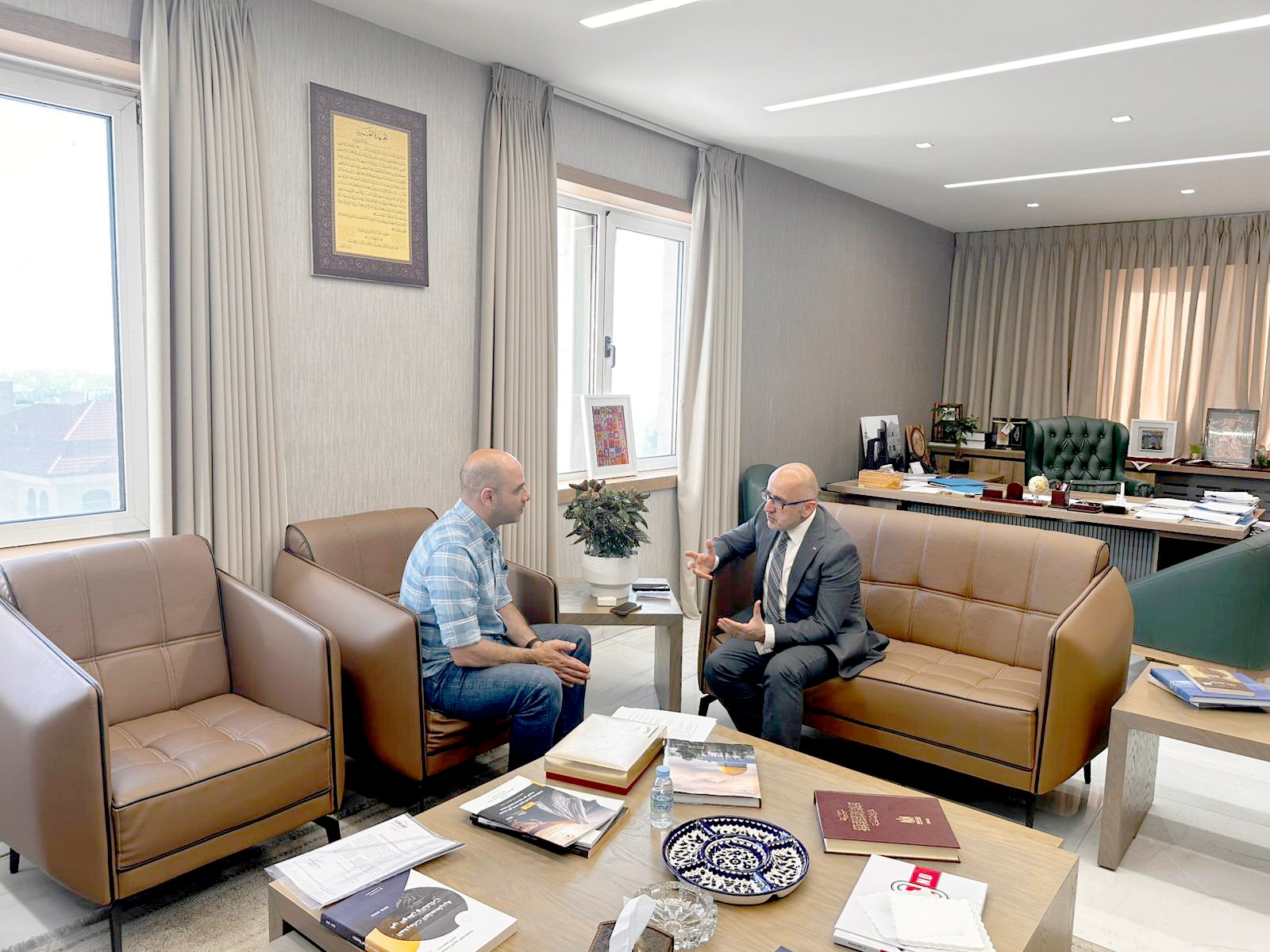
Lawyer Mohammed Dahleh, specializing in settlement issues, explained that these settlement outposts within Arab neighborhoods represent a significant security and economic burden. Settlers cannot live there without strict security and 24-hour surveillance cameras, costing the occupation budget enormous sums to secure their unnatural presence.
Numerically, historical data reveals that Jewish ownership in Old Jerusalem did not exceed 2% of the total properties until the mid-1960s. However, this control expanded through seizure and research into old documents, in addition to the immense economic pressures exerted on the indigenous population to push them to leave.
Jerusalemite 'Abu Khadija' recounts part of these pressures, revealing that he received financial offers amounting to 40 million dollars in exchange for giving up his property. His response was decisive in refusing to sell, emphasizing that these properties are Islamic endowments that no one has the right to dispose of, and that the role of the residents is limited to being guardians of this trust.
Researchers in Jerusalem affairs believe that the settlement project within the Old City has not fully achieved its demographic goals, despite all inducements. The majority of seized buildings have been converted into religious schools temporarily inhabited by students, or properties owned by wealthy Jews living abroad, making the neighborhood lack normal social life.
Jerusalem today is fighting what can be called a 'war of views,' an Israeli attempt to control the city's general landscape from above. By building high domes near the Al-Aqsa Mosque and the Dome of the Rock, the occupation seeks to mislead visitors and tourists into believing in an overwhelming Jewish identity for the city, ignoring thousands of years of Arab civilization.
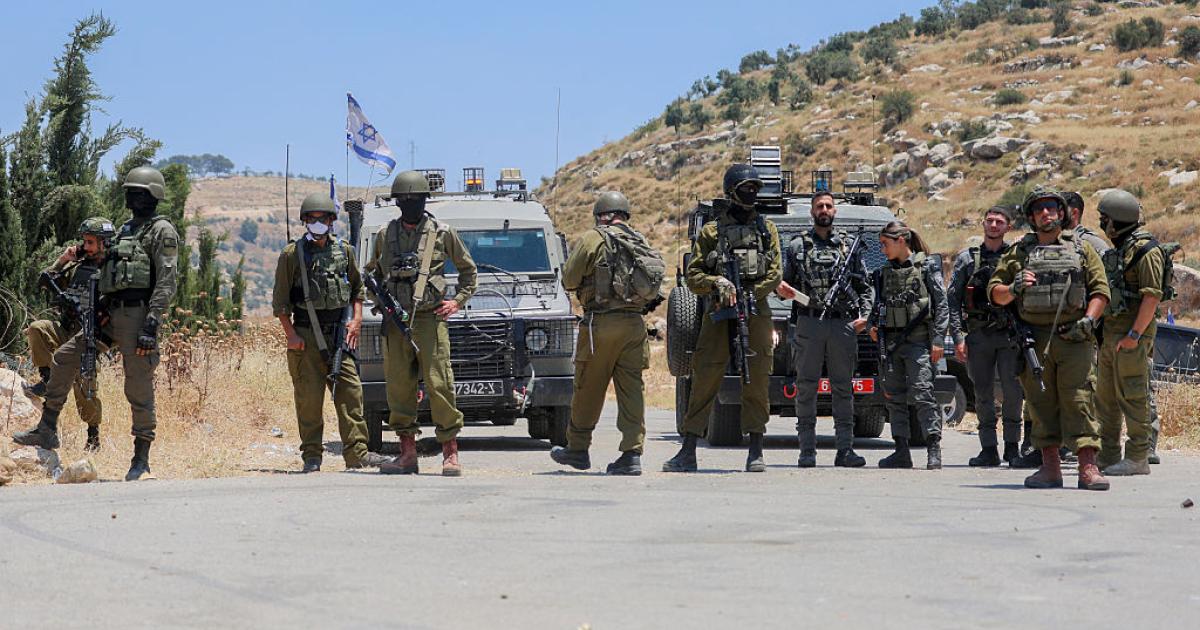
Experts confirm that the language of the people, the sounds of the call to prayer, and the arches of the Old City remain the true identity that cannot be erased by flags or military checkpoints. The occupation tries to highlight its presence through artificial symbols, while the walls and alleys speak an authentic Arab, Islamic, and Christian language that needs no proof.
Palestinian steadfastness within the Old City is not limited to physical survival but extends to preserving the collective consciousness of rejecting division. Jerusalemites realize that the battle is a battle of demographics and control over public space, and that every home preserved is a first line of defense for the Al-Aqsa Mosque and the Church of the Holy Sepulchre.
Despite all geopolitical transformations, the relationship between the Jerusalemite and their place remains an organic relationship that cannot be divided, as residents prefer to live in difficult conditions within the Old City rather than leave it. This steadfastness has thwarted many plans that aimed to empty the city of its original inhabitants and turn it into a closed religious museum.
In conclusion, Old Jerusalem remains an ongoing story of daily resistance, where residents write its chapters with their patience and steadfastness in the face of change. It is a city that refuses to be summarized in modern maps or neighborhood names imposed by force of arms, so that its original spirit remains the only constant truth amidst the rubble of transformations.
"Oh good people, how can we sell something we don't own? How can we sell something that is an Islamic endowment? We are just guardians here."

Share your opinion
Old Jerusalem: The Conflict of Identity and Memory in the Face of Attempts to Redraw Geography