







Iranian Foreign Minister Abbas Araghchi arrived in the Russian city of St. Petersburg, where he held an important meeting with President Vladimir Putin at the Boris Yeltsin Presidential Library. This visit comes as part of an intensive diplomatic tour aimed at mobilizing international support and discussing new proposals to de-escalate tensions in the region.
During the meeting, Russian President Vladimir Putin affirmed his country's determination to continue strengthening strategic relations with Tehran in various fields. Putin indicated that Moscow would do its utmost to support Iranian interests and achieve stability for the countries of the region, emphasizing the importance of joint coordination in these complex circumstances.
Araghchi handed the Russian President a special message from the Supreme Leader of the Islamic Republic, expressing his country's appreciation for Russia's continued support. The Iranian minister described the partnership between Tehran and Moscow as strategic and strong, stressing the necessity of continuous consultation on the developments of the current war and political changes.
The meeting coincided with the circulation of information about a new Iranian proposal that primarily focuses on reopening the Strait of Hormuz to international navigation. The proposal includes postponing the discussion of the details of the Iranian nuclear program to a later stage, in an attempt to defuse the escalating economic and military crisis.
These diplomatic moves came after the failure of the second round of negotiations that were scheduled between Tehran and Washington in the Pakistani capital, Islamabad. Araghchi attributed this failure to what he described as 'exaggerated demands' from the American side, which hindered the progress made in previous rounds.
Informed sources reported that Iran conveyed written messages to the American administration through the Pakistani mediator, clarifying Tehran's red lines. These messages included the Islamic Republic's vision on nuclear issues and navigation security in the Strait of Hormuz, despite Tehran's assertion that it is not part of direct negotiations.
International press reports stated that the new Iranian proposal aims to end the state of war and open the vital shipping lane in exchange for political and economic gains. However, estimates indicate the difficulty of Washington accepting this offer, especially given the American administration's insistence on a comprehensive agreement that ends the nuclear program.
Araghchi had begun his tour from Islamabad, where he met with senior Pakistani officials to discuss ways to ensure safe passage for ships in the region. He then moved to the Sultanate of Oman to consult with Sultan Haitham bin Tariq on the safety of navigation, describing it as a global issue of utmost importance.
In a related context, the Iranian minister held a phone call with his Turkish counterpart, Hakan Fidan, to coordinate regional positions regarding the crisis. Through these contacts, Tehran seeks to create a regional front that supports its proposals aimed at alleviating the international pressures currently imposed on it.
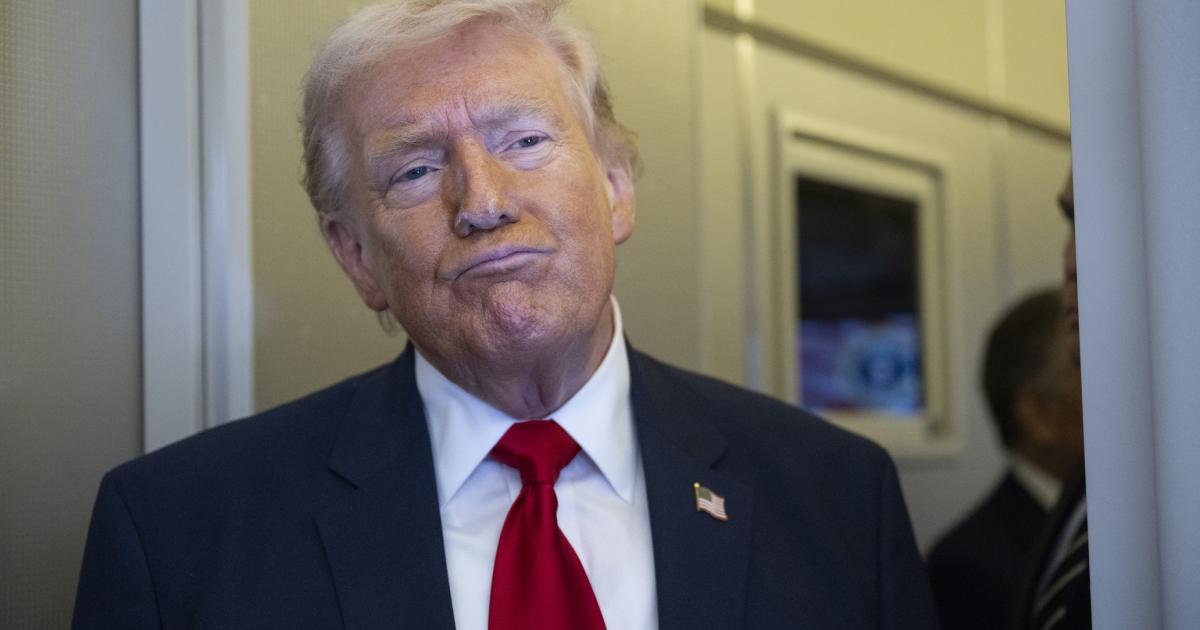
On the American side, President Donald Trump canceled a scheduled visit by a high-level delegation to Pakistan, which was supposed to include his son-in-law, Jared Kushner. Despite this cancellation, Trump left the door open for the possibility of direct communication with the Iranians if they wished to reach an agreement that satisfied his aspirations.
The international community awaits a meeting of the UN Security Council in New York to discuss maritime navigation security in the Strait of Hormuz. This strait is a vital artery for the global economy, as about one-fifth of the world's oil and liquefied gas production passes through it, making its closure a direct threat to energy security.
Observers believe that the Iranian proposal to postpone the nuclear file aims to buy time and reduce the military and political pressure exerted on it. In contrast, Washington insists that any agreement must be final and comprehensive, ensuring the complete and permanent dismantling of Iranian nuclear capabilities.
Pakistan plays a pivotal role as a mediator between Tehran and Washington, striving to prevent the region from sliding into a comprehensive military confrontation. Pakistan's national security is closely linked to the stability of the situation in Iran, which prompts Islamabad to pressure both parties to make mutual concessions.
All eyes remain on the outcomes of the Security Council meeting and what Russian and Chinese moves in the region may yield. While Iran attempts to maneuver through partial proposals, the international position remains divided on how to deal with Iranian nuclear ambitions and navigation threats in Hormuz.
Bilateral Russian-Iranian relations are a strategic and enduring partnership, and we seek to coordinate with our friends on the developments of the current stage.
Share your opinion
Araghchi presents a proposal in Russia to open the Strait of Hormuz and postpone the nuclear file