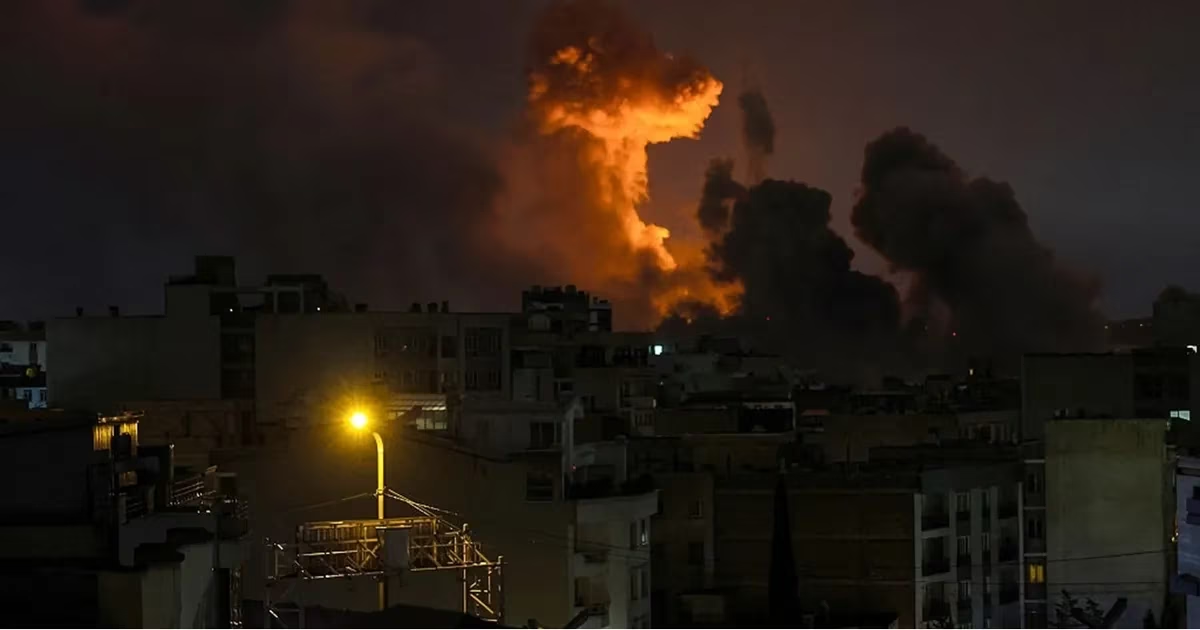







Recent human rights estimates and official statistics have revealed a tragic escalation in the human cost of the war waged by the United States and Israel on Iran, with the number of civilian casualties exceeding two thousand. International reports confirmed that this confrontation has resulted in one of the bloodiest disasters in the Middle East in recent years, with losses concentrated among the most vulnerable groups.
According to collected data, the majority of victims were not military personnel, but included children, women, paramedics, journalists, and civilian workers. These military operations began with a surprise attack on February 28, leading to significant confusion in counting and documentation due to continuous shelling and inaccessibility to some areas.
Figures released by health ministries and independent human rights organizations indicate that at least 2,100 civilians were killed directly as a result of the airstrikes. Sources explain that this number is likely to rise significantly as operations continue to retrieve victims from under the rubble of civilian buildings and service facilities targeted in several countries.
Inside Iran, human rights sources documented the killing of 1,701 civilians, representing a large portion of the total death toll, which has exceeded 3,400 people since the outbreak of the war. Local officials explained that about 45% of the total victims are ordinary civilians who were not involved in any military activity, reflecting the violence of the airstrikes.
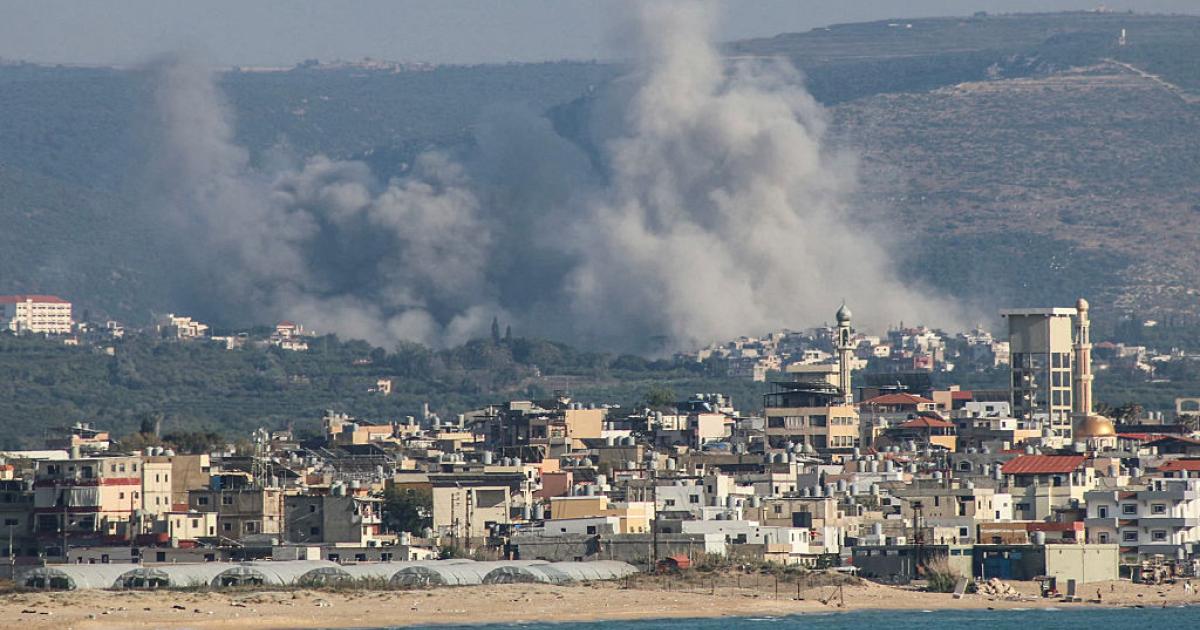
In Lebanon, the Ministry of Health announced a heavy toll of 2,496 deaths due to continuous Israeli airstrikes since early March. The ministry indicated that approximately a quarter of these victims are women, children, and medical staff, highlighting the indiscriminate targeting of military objectives and densely populated civilian facilities.
The distribution of female victims included 503 deaths, among them 251 in Iran and 248 in Lebanon, in addition to four women in the occupied West Bank who died from missile shrapnel. These figures reflect the widening scope of the conflict to include a broad geographical area beyond the borders of countries directly involved in the armed conflict.
The childhood sector was the most affected, with 413 children killed in this war, 248 in Iran and 165 in Lebanon. Incidents of targeting schools and educational areas were repeated, leading to horrific massacres against students who were in their classrooms or engaged in sports activities in civilian facilities.
Journalistic and humanitarian work was not spared from targeting, as at least nine journalists were killed in raids targeting southern Lebanon and its major cities. Medical sources also recorded the killing of 91 workers from ambulance teams and the health sector, at a time when hospitals are suffering from complete exhaustion and a severe shortage of essential medical supplies.
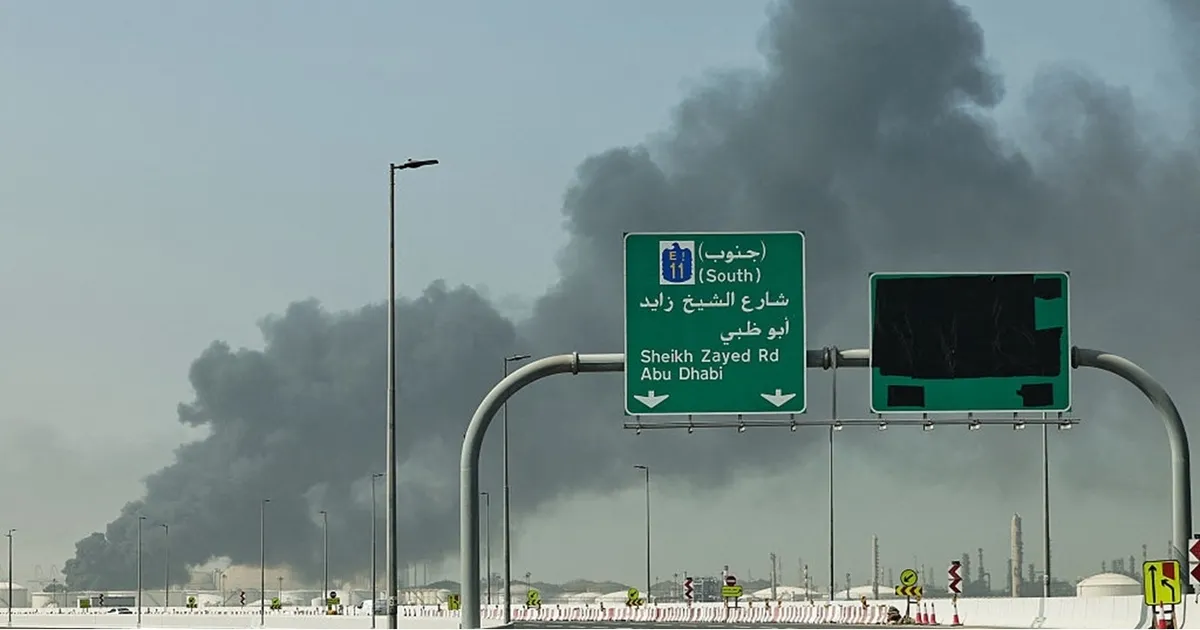
On the other hand, Iranian missiles and drones caused civilian deaths in Israel and Gulf countries, with Israel recording 23 deaths. In the UAE, at least 10 people were killed, including migrant workers, in addition to reports of deaths and injuries in Saudi Arabia, Oman, and Bahrain due to missile interceptions.
Among the painful human stories, the incident of the killing of Lebanese paramedic Hassan Badawi stood out while he was performing his duty transporting an injured person in the town of Beit Yahoun. Badawi, a father of two, was one of dozens of paramedics who paid with their lives for their commitment to humanitarian work under intense shelling that did not differentiate between an ambulance and a military vehicle.
In Iran, the story of the child Raha Zirayi shook public opinion after she was killed in a raid targeting her elementary school in Hormozgan province. The raid, which resulted in the killing of 165 people, mostly children, occurred very shortly after the decision to close schools was issued, preventing parents from rescuing their children from under the rubble.
Migrant workers in the Gulf region also faced increased risks, as many were forced to continue working to earn a living despite security threats. Among them was Bangladeshi worker Saleh Ahmed, who was killed in Ajman by missile shrapnel while delivering water, leaving behind a family he had supported for a quarter of a century.
In the Lebanese city of Tyre, veteran journalist Ghada Al-Dayekh was killed under the rubble of her home after a distinguished career in radio work. Raids also targeted Al-Akhbar newspaper correspondent Amal Khalil and three other journalists near the town of Jezzine, despite clear signs indicating their journalistic identity and their vehicles designated for media work.
Field reports conclude by emphasizing that the effects of this war will not end with a ceasefire but will remain etched in the memory of the people through the stories of the victims. The transformation of civilians into fuel for this regional confrontation places the international community before its legal and moral responsibilities to protect civilian facilities, medical teams, and media personnel.
Civilians, including children, women, and paramedics, found themselves in the heart of a war that crossed borders to strike the stability of the entire region.
Share your opinion
Heavy Human Cost: Civilians Pay the Price of the US-Israeli War on Iran