







Economic and political circles in Tel Aviv are increasingly concerned about the success of popular petitions in Europe, which call for the suspension of the partnership agreement that forms the backbone of trade, cultural, and foreign relations with the occupation. These movements have gathered over 1.1 million signatures from EU citizens, protesting the unprecedented number of civilian casualties and the widespread destruction caused by the ongoing aggression on several fronts.
Media sources reported that this European threat has strongly reasserted itself in the corridors of Brussels, as the comprehensive petition has exceeded the legal quorum that obliges the European Commission to officially respond to and discuss this request. This step is rare, as only 16 petitions have succeeded in reaching this number of signatures over the past fourteen years, reflecting the growing public anger.
This initiative, known as the 'European Citizens' Initiative,' was launched last January with the support of left-wing parties in the European Parliament, in response to Israeli military operations in the Gaza Strip. Organizers are currently seeking to reach 1.5 million signatures to ensure passing the scrutiny and verification stage conducted by the relevant EU mechanisms before it is put up for official discussion.
The petition's demands are based on the unprecedented scale of killing and injuries among Palestinian civilians, in addition to the policy of forced displacement and systematic destruction that has affected hospitals and vital medical facilities. The popular document accuses the occupation authorities of flagrantly violating international law, which necessitates activating the human rights clauses in the partnership agreement to suspend it immediately.
Relations between the European Union and Tel Aviv have witnessed severe tensions since last autumn, with the European Commission hinting at a partial suspension of relations in previous stages. However, opposition from countries such as Hungary, Italy, Germany, and Austria prevented a decision for a full suspension, as these countries formed a 'blocking minority' within the EU, preventing the two-thirds majority required for punitive measures.
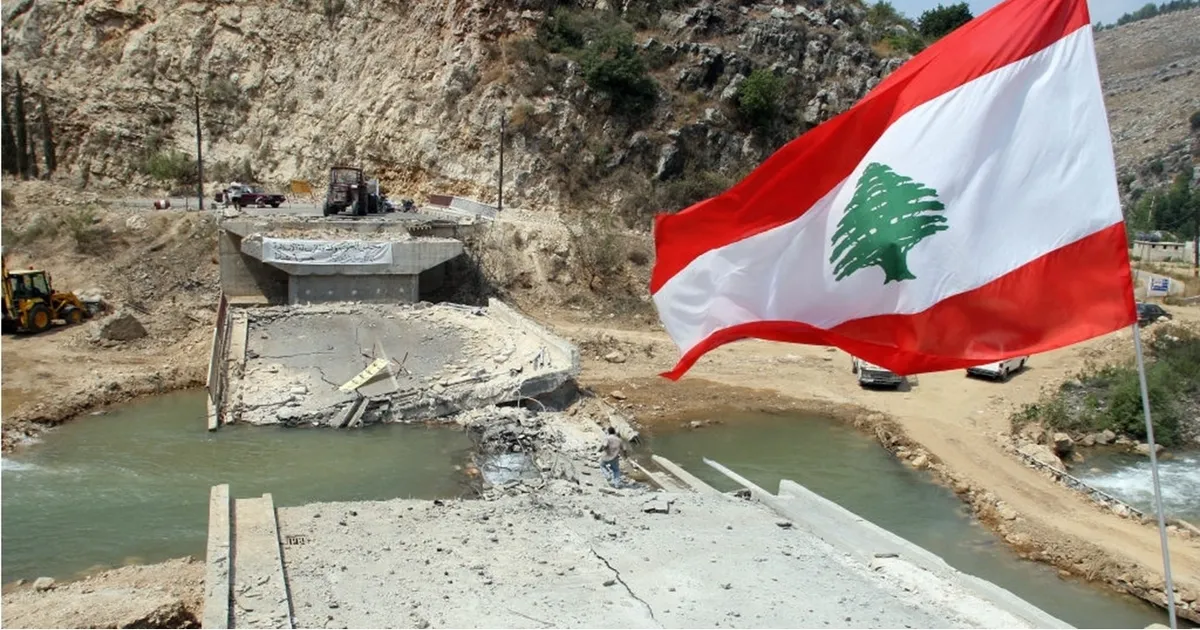
Despite the issue temporarily receding from the agenda in previous periods, the recent escalation in Lebanon and Iran has brought renewed momentum to European demands for economic sanctions. Countries such as Spain, Slovenia, and Ireland are leading this trend, having announced their intention to re-raise the issue of suspending the agreement during the meeting of EU foreign ministers scheduled to be held in Luxembourg.
The Spanish position has been sharply highlighted, with the Spanish Prime Minister repeatedly accusing the occupation of violating international law and openly calling for a قطع of trade relations. Leaders in Madrid are trying to push the EU to take a moral and legal stance commensurate with the scale of violations observed in the occupied Palestinian territories, amid questions about the resilience of pro-Israel positions in other countries.
Reports indicate potential shifts in the positions of countries that were classified as close allies of the occupation, such as Italy, whose President Giorgia Meloni announced not renewing the security cooperation agreement. This change in political tone reflects increasing internal and external pressures, especially with the escalation of settler crimes in the West Bank and the implementation of extremist settlement policies that provoke the ire of European capitals.
Issues such as settler violence in the territories beyond the Green Line, and the Israeli government's policies regarding the death penalty for prisoners, have entered the agenda of discussions in Germany and other countries. These issues have become a burden on European governments, which find it increasingly difficult to justify the continuation of economic partnership with a government that disregards all international warnings.
Observers believe that Israel's repeated disregard for official European positions has pushed Brussels to focus on imposing direct sanctions on settlers and entities associated with them. It is expected that the scope of these sanctions will be expanded to include the collective level of the European Union, instead of individual initiatives by states, which may pave the way for a comprehensive boycott of settlement products in European markets.
At the popular level, the image of the occupation in the old continent has reached its historical lowest, which has been translated by millions of signatures and continuous protests in major squares. This popular movement is no longer just an expression of opinion, but has turned into a legal and political pressure tool aimed at stripping the occupation of the economic cover provided by partnership agreements.
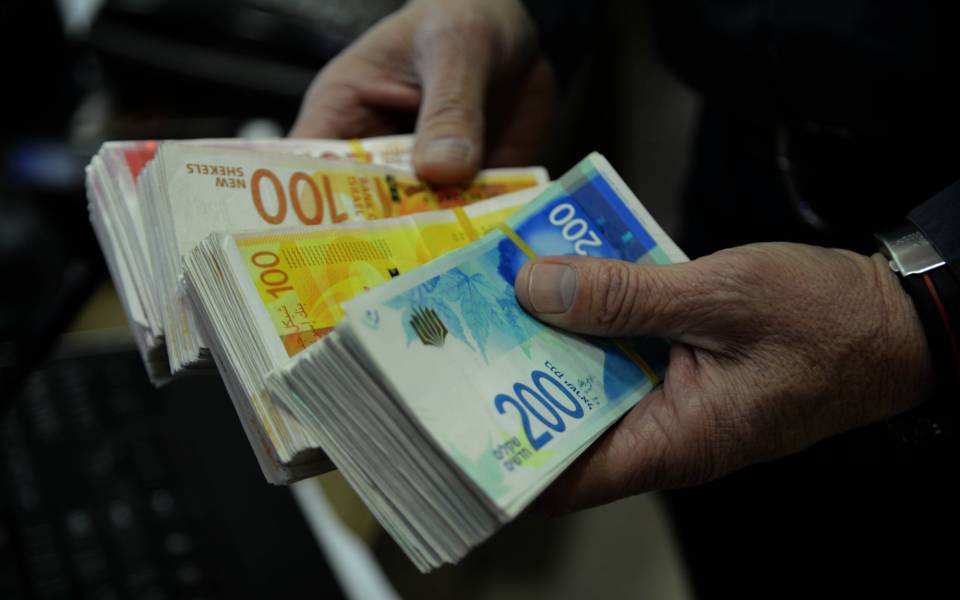
Israeli business circles fear that the suspension of the partnership agreement could lead to losses of billions of dollars, given that the European Union is the occupation's primary trading partner. The loss of preferential advantages provided by this agreement would mean imposing high customs duties on Israeli exports, which would make them unable to compete in international markets.
The European Commission is now awaiting the completion of the signature verification process to begin a legal path that may end in public hearings in the European Parliament. This path will place member states before their legal responsibilities towards international treaties that stipulate respect for human rights as a fundamental condition for the continuation of any economic partnership with external parties.
In conclusion, it appears that the gap between Tel Aviv and Brussels is widening unprecedentedly, driven by pressure from the European street that refuses to fund the war machine through trade. The success of the million-signature petition represents a turning point that could lead to international economic isolation for the occupation, amid its government's insistence on continuing military and settlement escalation.
The European threat to suspend the partnership agreement returns to the forefront in Brussels, after the petition successfully gathered one million signatures, obliging the Commission to respond.



Share your opinion
One Million European Signatures to Suspend the Partnership Agreement with the Occupation.. Escalating Economic and Diplomatic Pressure