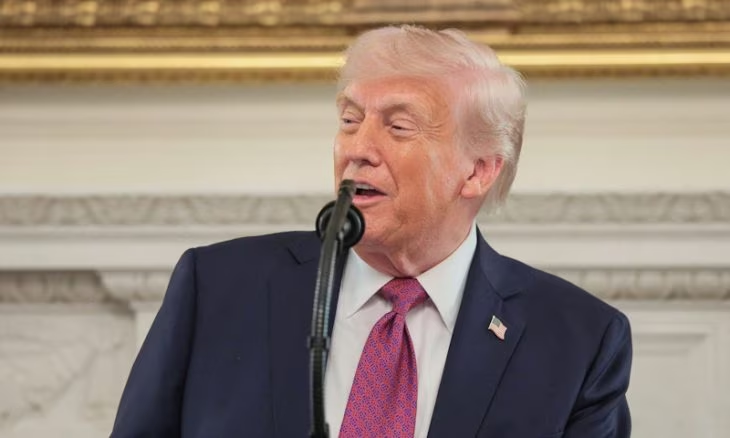







A state of ambiguity is escalating in Washington's political circles as a result of the successive statements made by US President Donald Trump via his 'Truth Social' platform and his phone interviews. These statements, characterized by sudden changes and a contradictory tone, have further complicated the understanding of the true American strategy towards Iran under the current circumstances.
Tuesday witnessed a clear embodiment of this confusion, as Trump began his day with a statement to 'CNBC' in which he affirmed his intention not to extend the ceasefire announced last April. However, only a few hours later, he announced via his private platform that the truce would remain in effect until further notice, in a sudden reversal of his morning stance.
In a related context, the US President indicated that he is awaiting a 'proposal' from Tehran for a solution, despite having previously stated that there were no fundamental points of disagreement with the Iranian authorities. This divergence in positions leaves observers and analysts perplexed about the ultimate goals of the American administration.
Sources reported that the White House was forced to intervene on two occasions in recent days to correct information Trump had given to the press. Officials denied the accuracy of the President's statement regarding the exclusion of his deputy, J.D. Vance, from leading the US negotiating delegation in Pakistan, confirming the continuation of previous arrangements.
The corrections did not stop there, but also included the timing of diplomatic delegations' departure, as Trump claimed that negotiators were on their way to Islamabad on Monday. However, reality revealed that the Vice President and other envoys had not left US territory until late Tuesday, reflecting a gap in coordination.
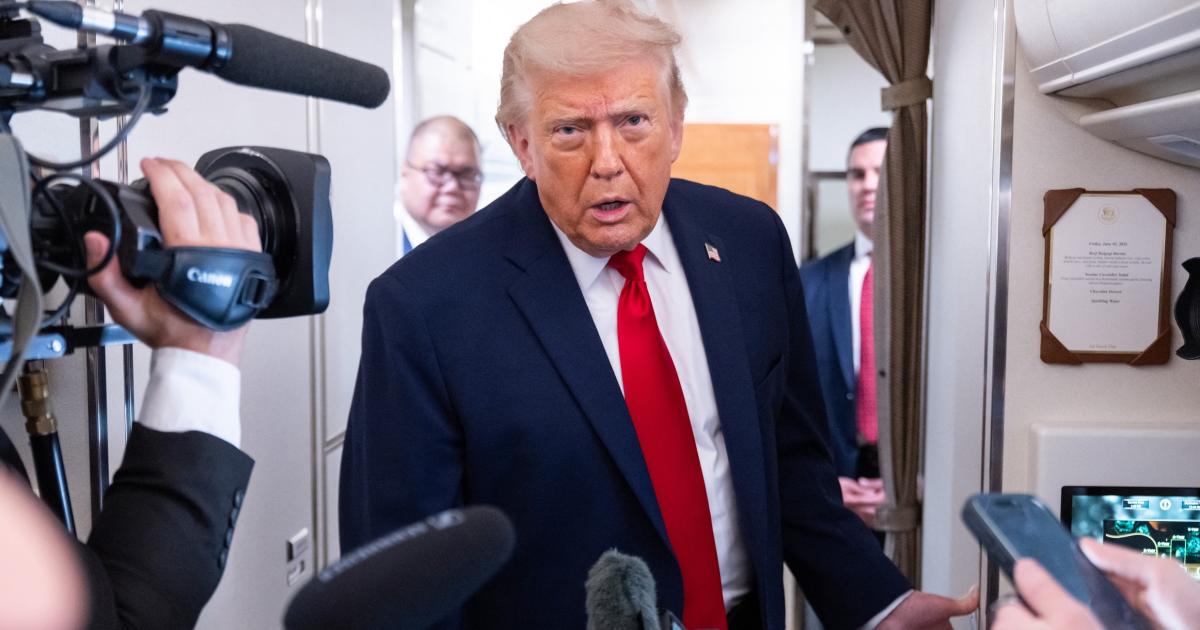
Experts in political communication believe that Trump's practices contradict traditional norms that require securing the President's communications and ensuring the accuracy of information issued by him. They point out that the President's resort to direct and rapid responses to journalists' calls via his mobile phone diminishes the prestige of the presidential office.
Unlike his predecessors who tried to unite ranks in times of crisis, Trump tends to politicize foreign affairs sharply. He launched a scathing attack on his Democratic opponents, calling them 'traitors' who seek to obstruct sensitive military and political operations led by his administration.
Press reports revealed that Trump unilaterally drafts and publishes his messages on social media without consulting his political or security advisors. These messages are characterized by an spontaneous style that mixes existential threats with direct demands, confusing allies and adversaries alike.
Media sources reported that the President's inner circle tried to partially distance him from the details of a recent rescue operation of an American pilot in Iran. This measure was taken out of fear that Trump's impulsiveness and ill-considered statements could endanger the pilot's life or the success of the military operation.
Trump's statements went beyond the Iranian file to include criticisms of military norms, which caused resentment in some circles. The President appeared wearing a promotional hat from his business organization while receiving the remains of military personnel, which some considered an exploitation of sad national occasions for commercial purposes.
In a historical recollection, Trump claimed that he could have achieved a quick victory in the Vietnam War if he had been leading the country at that time. These statements come despite the current President having been exempted from military service in that war for medical reasons related to foot problems.
Trump's major political files are intertwined with his personal interests in real estate and construction, as he inserts the White House renovation project into discussions about war. The President insists on showcasing his construction skills, emphasizing that he is completing the new ballroom at a cost lower than the allocated budget.
Press statistics indicate that Trump mentions the new White House ballroom construction project approximately once every three days. This repetition reflects the President's priorities, where sovereign duties intersect with his old passion as one of the leading real estate developers in the United States.
In conclusion, the American political scene towards Iran remains hostage to these mood swings and rapid statements. While official institutions try to set the pace, Trump continues to manage international affairs in his own style, which relies on surprise and direct media pressure.
I build at a lower cost than the budget and at a faster pace than scheduled.
Share your opinion
White House Turmoil: Trump's Contradictory Statements Raise Ambiguity About Strategy Towards Iran