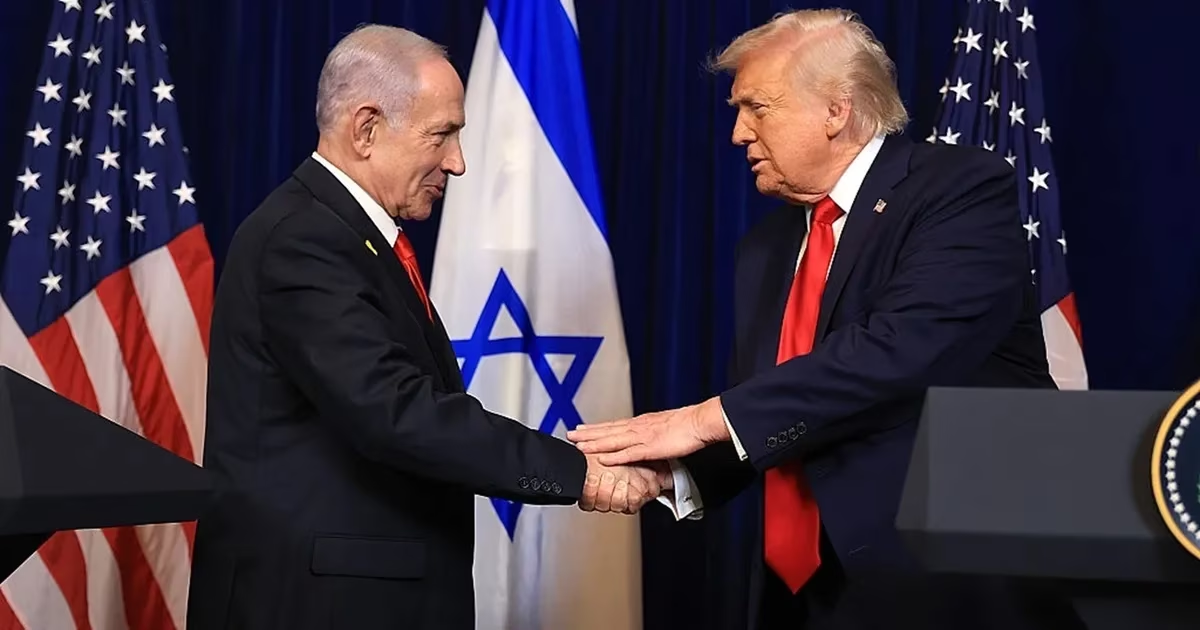







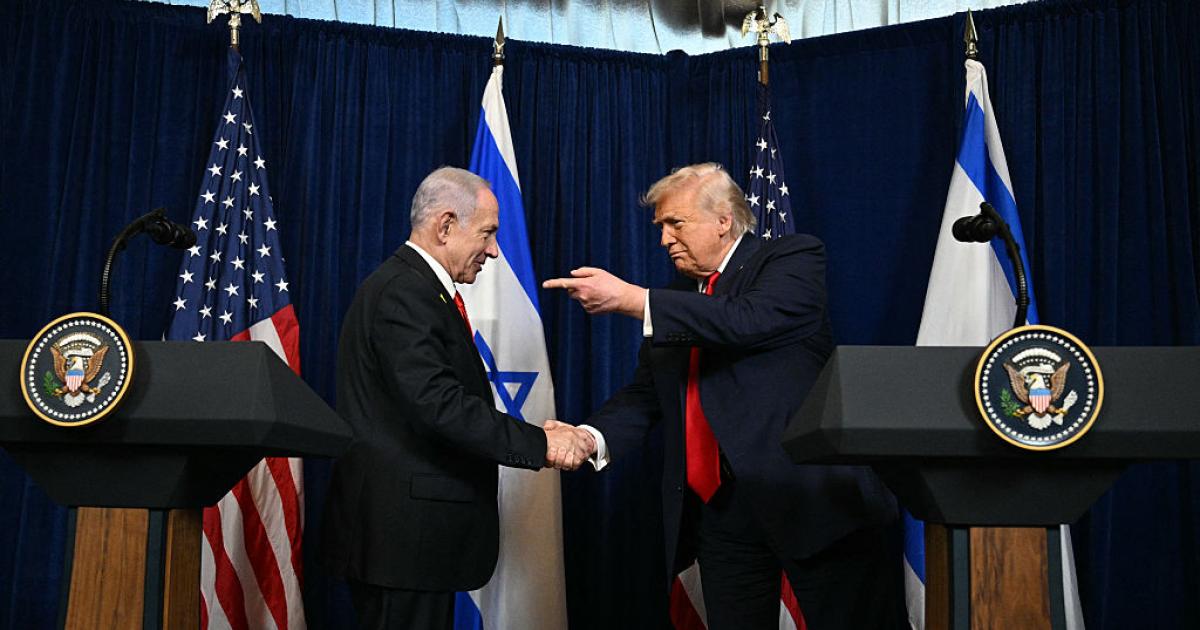
Media sources reported a state of muted tension between the American administration and the Israeli government regarding the negotiation process related to the Lebanese front. US President Donald Trump seeks to impose a state of relative stability in the region to enable him to manage broader international issues, while Israeli Prime Minister Benjamin Netanyahu adheres strictly to maintaining freedom of military action and rejecting any formula that might be interpreted as a retreat or surrender.
The sources indicated that this divergence in views has not yet reached the stage of public confrontation, but the gaps remain deep between the two sides. The last direct meeting held in Washington between representatives of the Israeli and Lebanese sides failed to achieve any tangible breakthrough, as clear agreements and specific timelines to end the ongoing conflict were absent.
For his part, US Secretary of State, Marco Rubio, was quick to describe those talks as merely the beginning of a long-term political process. Political circles in Washington believe that merely having the conflicting parties sit at one table is the only possible achievement to point to at present, given the complexities of the field and political landscape.
The divergence in views became clear after the meeting, as each party presented a vision that served its own agenda before its public. While Tel Aviv focused on praising the positive atmosphere and opening a direct negotiation channel, Beirut adhered to its basic and sole demand for an immediate and comprehensive cessation of the war on Lebanese territory.
The picture becomes more complicated in the absence of Hezbollah, described as the most central player in the arena, from the official negotiation table. This absence raises fundamental questions about the utility of any papers that may be signed, and the extent of the Lebanese government's ability to impose commitments and pledges on the ground given the party's military and political influence.
US mediation in this file is part of a broader strategy aimed at calming regional tensions associated with the crisis with Iran and the disturbances in the Strait of Hormuz. Washington considers pressuring Israel to accept a ceasefire as a fundamental pillar to prevent the region from sliding into a comprehensive explosion that could harm international economic and security interests.
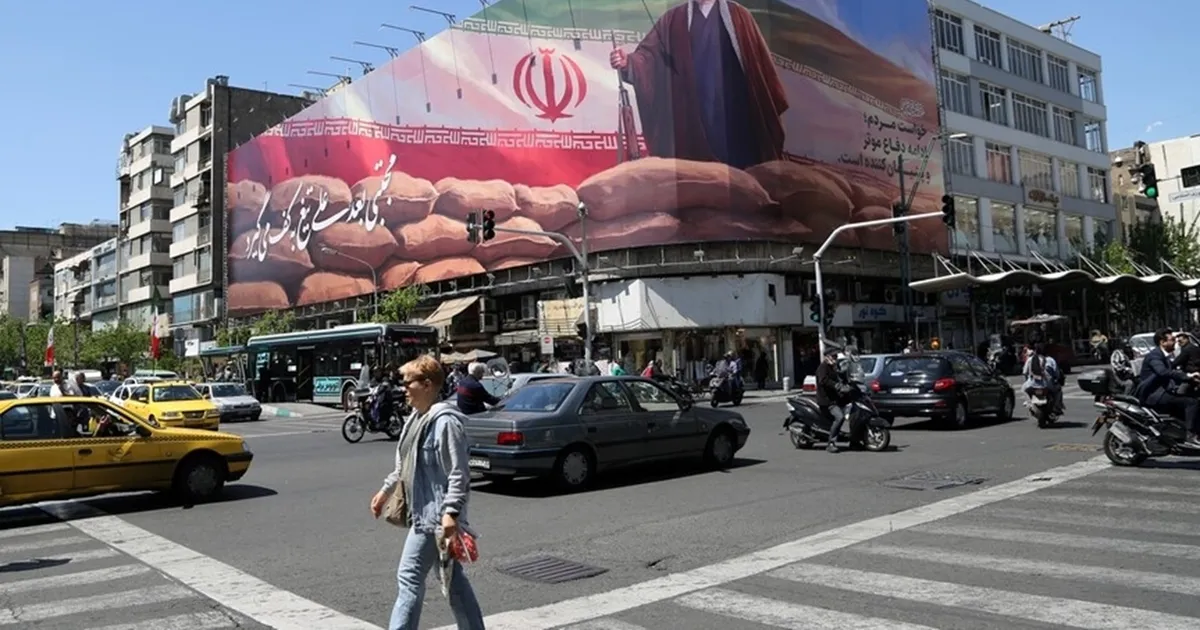
In contrast, Tehran remains strongly present in the background of the negotiation scene despite its unofficial participation, as it considers Hezbollah a strategic pillar that cannot be relinquished. Observers confirm that any attempt to reach a final agreement in Lebanon without considering the influence of Tehran and its allies will encounter major field obstacles that make lasting stability a distant prospect.
The question is not just what will be written on paper, but whether the Lebanese government is capable of enforcing anything on the ground?

Share your opinion
US Pressure on Tel Aviv to End Lebanon File: Divergent Views Between Trump and Netanyahu