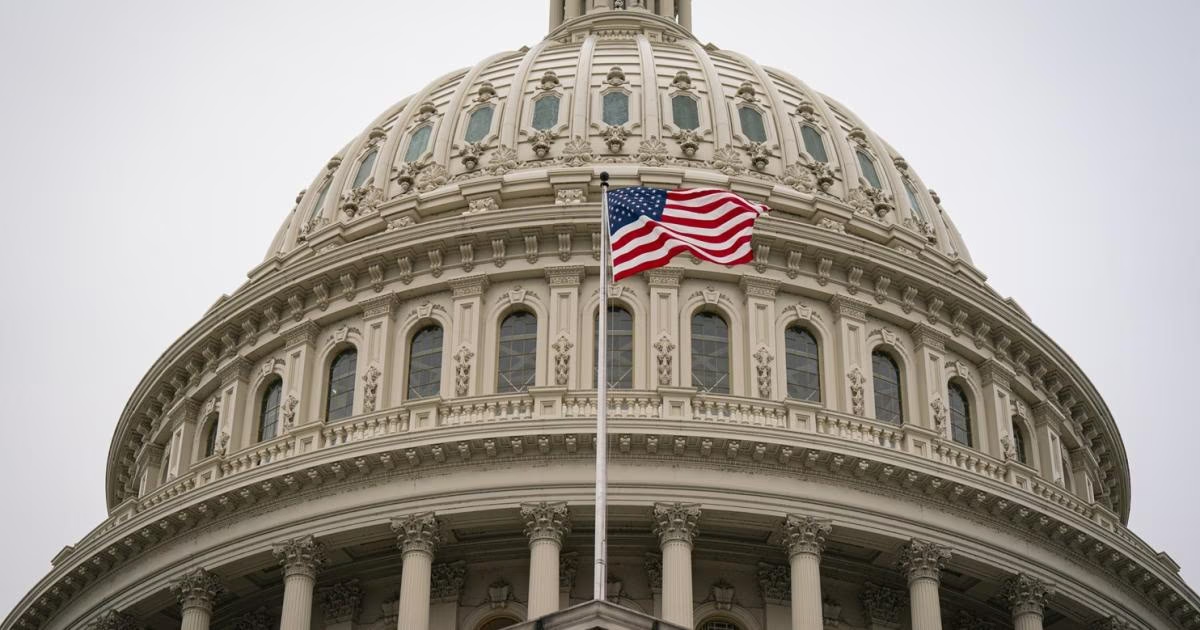







Democrats in the US House of Representatives received another political blow after their efforts to curtail President Donald Trump's powers in managing the military conflict with Iran failed. This rejection came during a voting session held on Thursday, strengthening the White House's grip on military decisions in the turbulent Middle East region.
This vote reflects a repeated failure by Democratic lawmakers to restore Congress's oversight role over war decisions and major military movements. Observers have expressed concern that this failure could lead to the continuation of hostilities without a clear timeline or strategic objectives from the current administration.
The rejected proposal aimed to activate the War Powers Act of 1973, which imposes strict limits on the president's ability to engage in long-term hostilities. Under this measure, Trump would have had to obtain direct authorization from lawmakers to continue any military operations targeting Tehran.
The voting process was characterized by the usual partisan polarization, with most Republicans aligning behind President Trump to ensure his continued freedom of military action. Despite limited defections from the party line on both sides, the final result favored the aggressive approaches of the US administration regarding the Iranian issue.
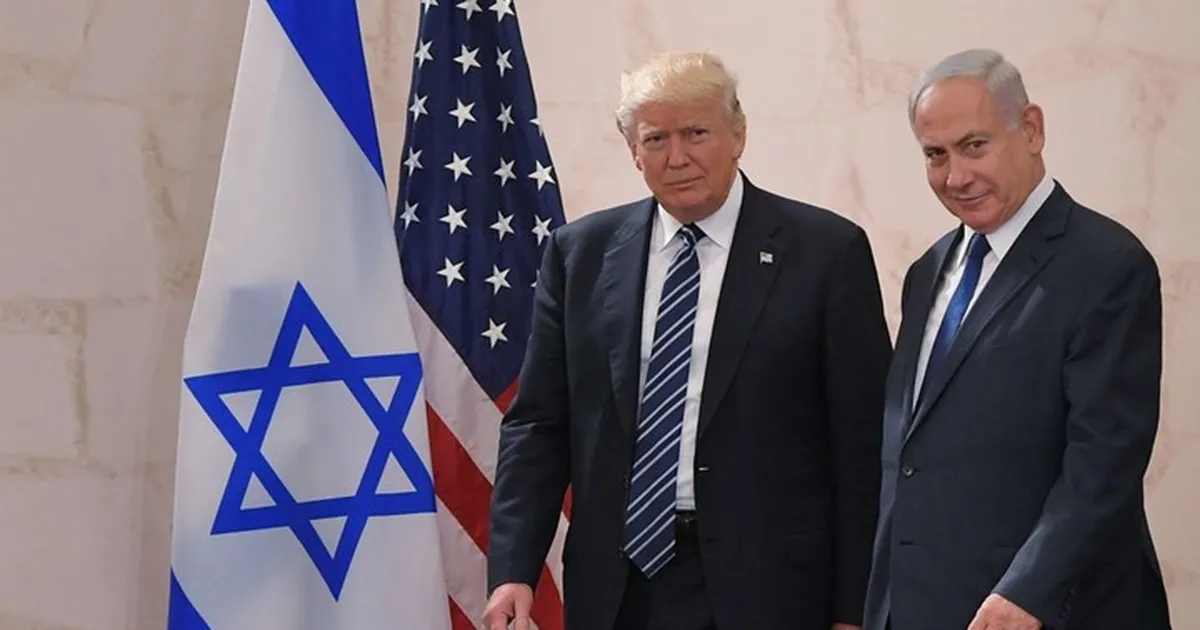
The Democratic wing believes that the outbreak of the conflict in late February was coordinated with Israel without consulting the legislative body, which they consider a violation of the Constitution. Opposing lawmakers emphasize that the Constitution grants Congress alone the original right to declare official wars and determine their courses.
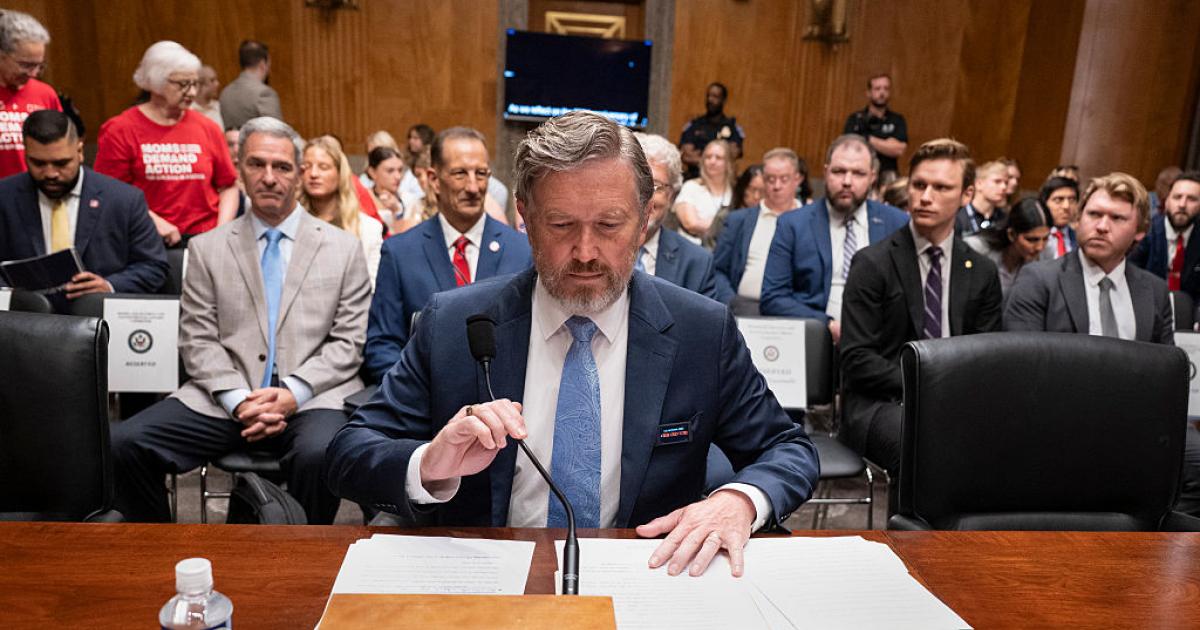
Gregory Meeks, the senior Democrat on the Foreign Affairs Committee, warned of the catastrophic consequences of delaying the curbing of executive power, describing the current situation as standing on the brink of an abyss. Meeks indicated that the absence of parliamentary oversight is pushing the United States towards an open conflict from which it may not find an easy exit in the near future.
Despite the legislative defeat, analysts noted that the vote margin narrowed compared to previous attempts in March. This rapprochement indicates growing concern within the halls of 'Capitol Hill' about the increasing costs of the war, even if it has not yet translated into a binding decision to stop the fighting.
In a related context, the Trump administration has so far refused to disclose the true costs of ongoing military operations, which has angered budget committees. White House budget director, Russ Vought, refrained from providing accurate figures on the amounts being deducted from taxpayers' money to fund the war effort against Iran.
Unofficial estimates provided by Senator Jeff Merkley indicate that the cost of the war exceeded $50 billion in just a few weeks. These figures coincide with sharp criticism from Minority Whip Katherine Clark, who affirmed that daily spending on the conflict consumes about $2 billion from the state budget.
In conclusion, Democratic leaders in both the House and Senate pledged to continue political pressure and reintroduce the issue in upcoming sessions. They emphasize that recording official positions through voting holds lawmakers accountable to the American people, who bear the cost of war in the lives of their children and their economic resources.
We stand on the brink of an abyss, and Congress must act before this president pushes us over the edge. Every day we delay, we get closer to a conflict from which there is no exit.


Share your opinion
US House of Representatives Renews 'Green Light' for Trump in Confrontation with Iran