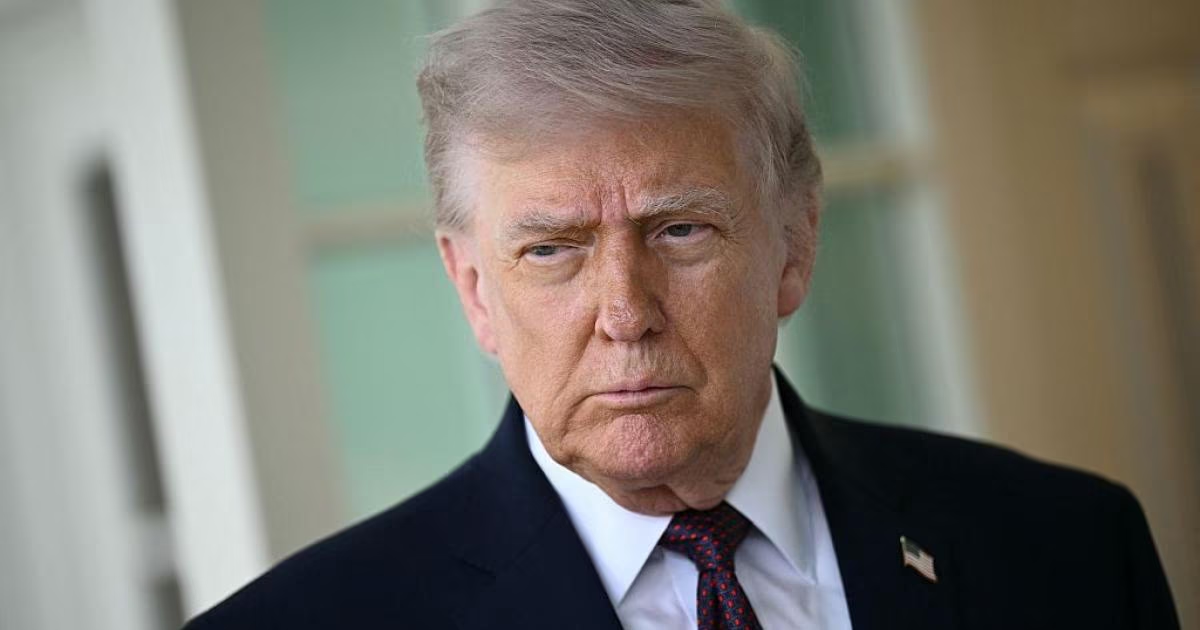







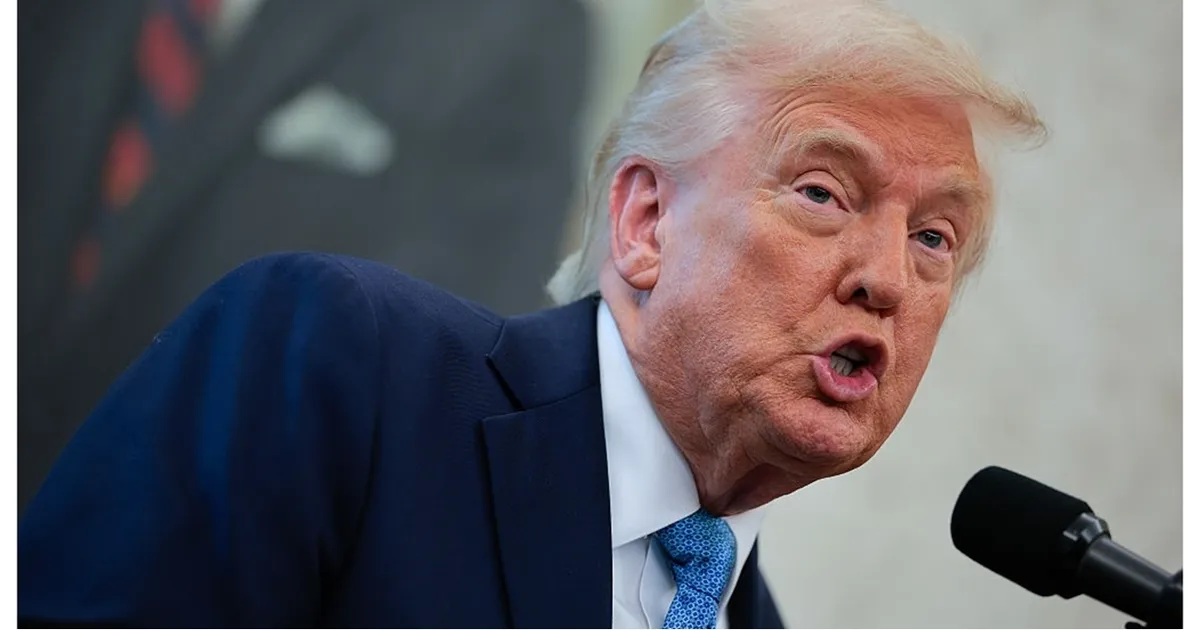
US President Donald Trump revealed his administration's intentions regarding the escalating conflict with Tehran, stating in media remarks that he is not inclined to extend the current ceasefire agreement. Trump indicated that the existing truce is approaching its inevitable end, suggesting it will cease in one way or another under current circumstances.
Despite the escalatory tone, the US President expressed his preference for diplomatic solutions if they lead to a comprehensive new agreement. Trump considered reaching a political settlement to be the optimal choice, as it would give the Iranian state an opportunity to rebuild its economy and infrastructure, which have been damaged by the confrontations.
On the ground, the confrontation entered a new phase with the United States beginning to implement a comprehensive naval blockade targeting vital waterways. This military step aims to tighten the noose on Iranian foreign trade and cut off oil supply lines, reflecting the failure of previously attempted diplomatic paths.
In the first practical application of this blockade, military sources reported that a US Navy destroyer intercepted two oil tankers attempting to exit Iranian territorial waters. US forces compelled the ships to return to Chabahar Port on the Gulf of Oman, sending a firm message about the seriousness of the measures being taken.
Reports from the US Central Command indicate that the naval blockade is being implemented through a massive and unprecedented military operation in the region. More than 10,000 US troops are participating in these missions, supported by 12 naval warships and dozens of fighter jets and reconnaissance aircraft to ensure complete closure of the passages.
Responsible sources confirmed that no vessel has succeeded in breaching the security cordon imposed since the announcement of the start of military operations. These moves aim to force Tehran to retract its previous threats to close the Strait of Hormuz, which represents a major artery through which one-fifth of the world's oil supplies flow.
Economically, these successive developments have caused confusion in global energy markets, with oil prices soaring to exceed $100 per barrel. Despite a slight decline later, markets remain cautiously awaiting the outcomes of the military escalation in the Gulf region and its impact on supply chains.
Observers believe that the effectiveness of the US blockade is still being tested in its early days, especially with the detection of changes in the routes of many vessels associated with Iranian oil. Political analysts warn that continued military pressure could push Tehran towards retaliatory options targeting international navigation or US interests in the region.
These tensions come in the context of an armed conflict that erupted since late February, leading to heavy human and material losses among Iranian forces. Despite the blows to Tehran's military infrastructure, it still retains strategic capabilities that make any comprehensive confrontation complex and costly.
Amidst this escalation, a faint glimmer of hope emerges regarding the possibility of resuming peace talks in the Pakistani capital, Islamabad, in the coming days. The question remains whether the region will slide into a full-scale war or if economic and military pressures will force the parties to return to the negotiating table.
I am not thinking of extending the ceasefire, and the truce will end in any case, but we prefer to reach an agreement that allows Iran to rebuild itself.
Share your opinion
Trump Rules Out Extending Truce with Iran, US Navy Intercepts Oil Tankers in Hormuz