





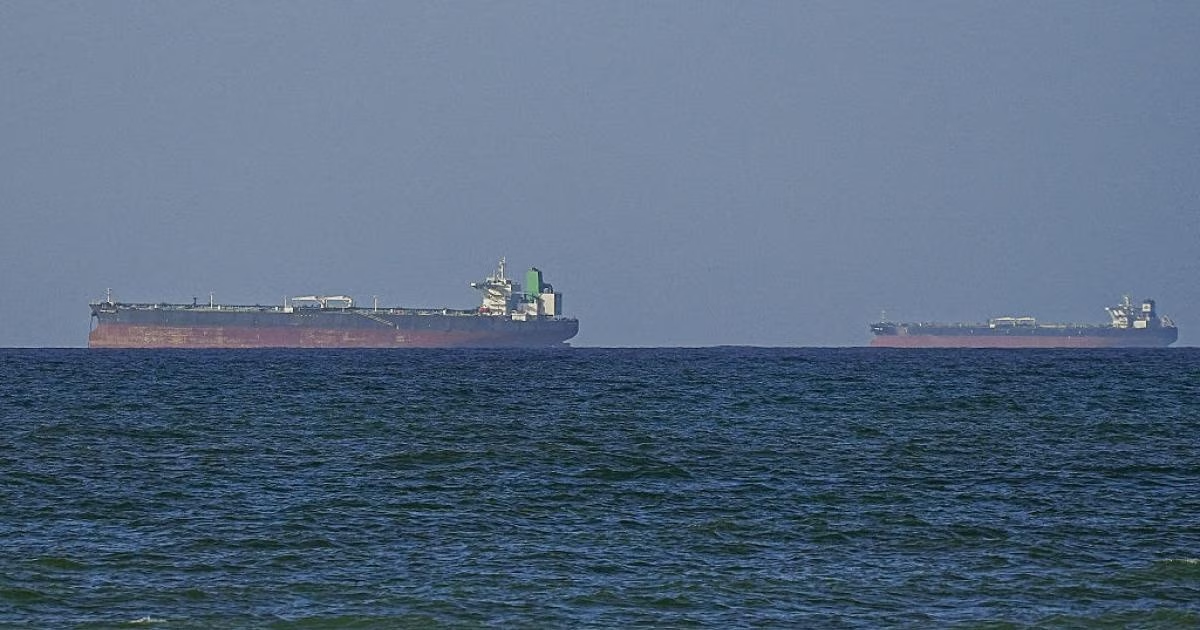
International attention is turning towards the Pakistani capital, Islamabad, which is preparing to host a high-level round of negotiations between Iran and the United States of America. These diplomatic moves come at a time when the Strait of Hormuz is emerging as the most important strategic pressure card in Tehran's hand, posing complex challenges for the American administration to restore global navigation.\n\nUS President Donald Trump believes that the nature of the Iranian threat has radically transformed, as the nuclear file is no longer the sole concern. Since the outbreak of direct military confrontation on February 28th, the Strait of Hormuz has become the primary dilemma threatening the stability of the global economy and energy security.\n\nDuring these negotiations, Washington seeks to secure an agreement that guarantees the full and permanent reopening of the Strait to commercial shipping. The American administration insists on the necessity of canceling any fees or restrictions that Tehran attempts to impose on international navigation, considering freedom of passage in this waterway non-negotiable.\n\nIn contrast, media reports, citing American officials, revealed a major technical crisis involving Iran's random planting of a large number of naval mines. This defensive tactic has made the process of clearing the waterway extremely complex, requiring a long time and arduous international efforts to ensure the safety of passing ships.\n\nTechnical estimates indicate that the United States may not currently possess the technology capable of sweeping these mines quickly and with complete safety. This technical reality was reflected in the statements of Iranian Foreign Minister Abbas Araghchi, who linked progress in clearing the Strait to meeting broader Iranian political demands.\n\nOn the ground, intelligence agencies have monitored Iranian movements that included withdrawing large naval vessels from the Strait area, while retaining hundreds of small, fast boats. The danger of these boats lies in their ability to deploy mines and move flexibly, increasing the likelihood of catastrophic incidents that could target commercial tankers at any moment.\n\nShipping traffic has recorded a sharp and unprecedented decline, with only nine ships passing through yesterday, a very small number compared to the normal average of 150 ships per day. This shipping paralysis places immense pressure on global supply chains and pushes Washington to seek urgent solutions to avoid a comprehensive energy crisis.\n\nUS Vice President J.D. Vance is accompanied on his trip to Islamabad by a high-level delegation including military and technical experts from the Pentagon and the National Security Council. This delegation aims to provide technical and political support in negotiations that observers describe as the 'last chance' to prevent the region from sliding into a broader, uncontrollable confrontation.\n\nPolitically, the Trump administration faces increasing domestic pressure, particularly from the Democratic Party, regarding support for Israeli military operations. Questions are mounting about Washington's ability to rein in Benjamin Netanyahu's government in Gaza and Lebanon, as part of a comprehensive deal that could lead to de-escalation on the inflamed fronts with Iran and its allies.\n\n"The Iranian threat is no longer limited to the nuclear bomb; today it is represented by the Strait of Hormuz, which has become the most dangerous pressure point in the confrontation.

ARAB AND WORLD
Sat 11 Apr 2026 10:04 am - Jerusalem Time
Strait of Hormuz Turns into a Minefield: Washington and Tehran Face 'Last Chance' Negotiations in Pakistan
Tags
MORE FROM ARAB AND WORLD
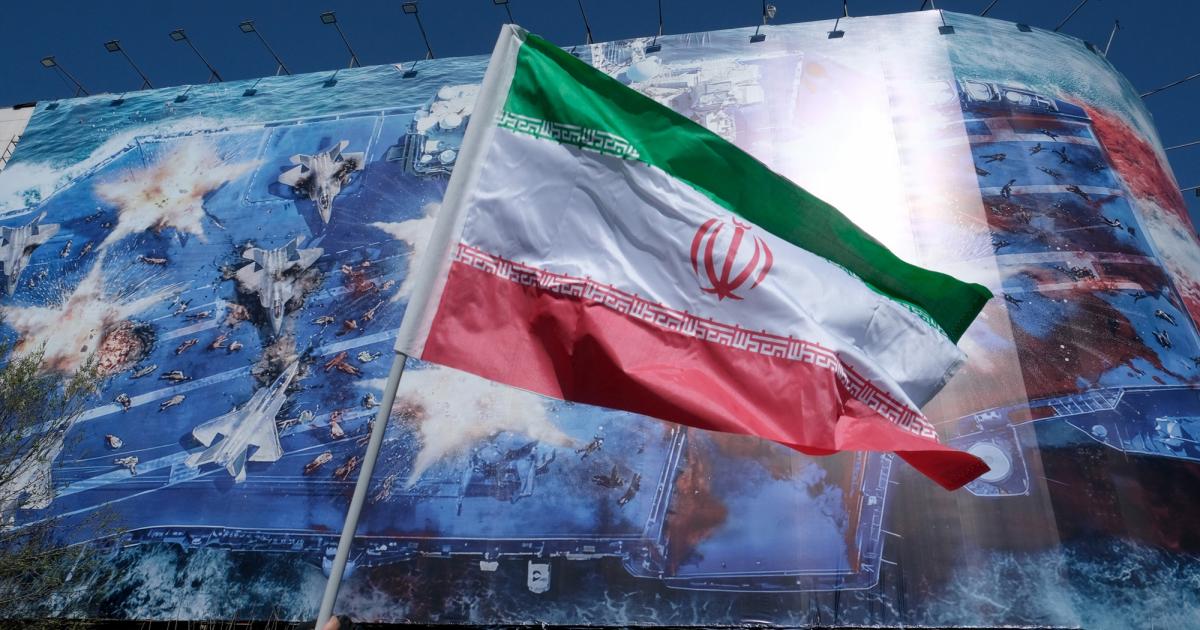
Iran confirms readiness of understanding text with Washington and denies finality of agreement so far
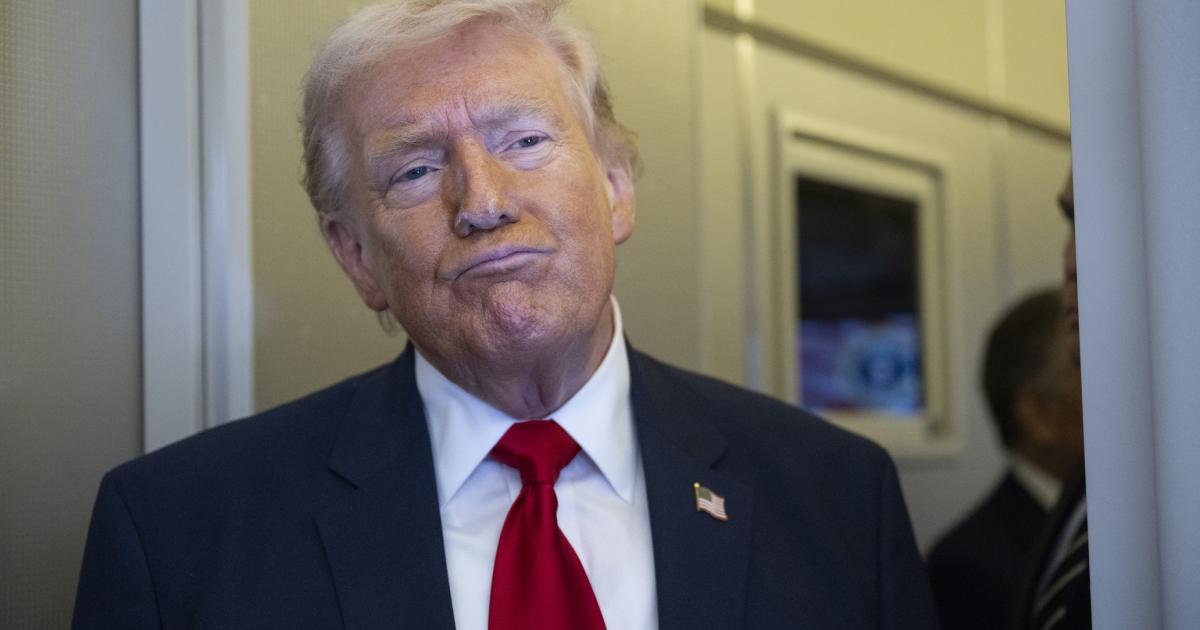
Controversial Medical Report: 22 Specialist Doctors Participated in Trump's Latest Examination
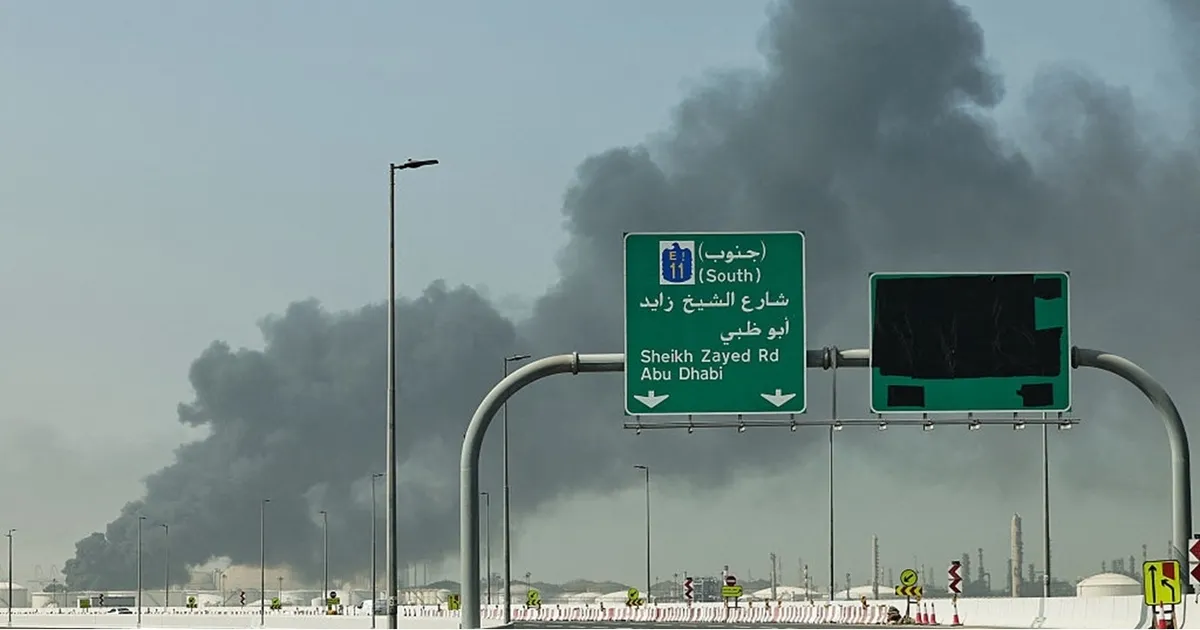
Reports of Financial Mediation: Abu Dhabi Transfers $3 Billion to Iran to De-escalate Tensions with the Occupation
Share your opinion
Strait of Hormuz Turns into a Minefield: Washington and Tehran Face 'Last Chance' Negotiations in Pakistan