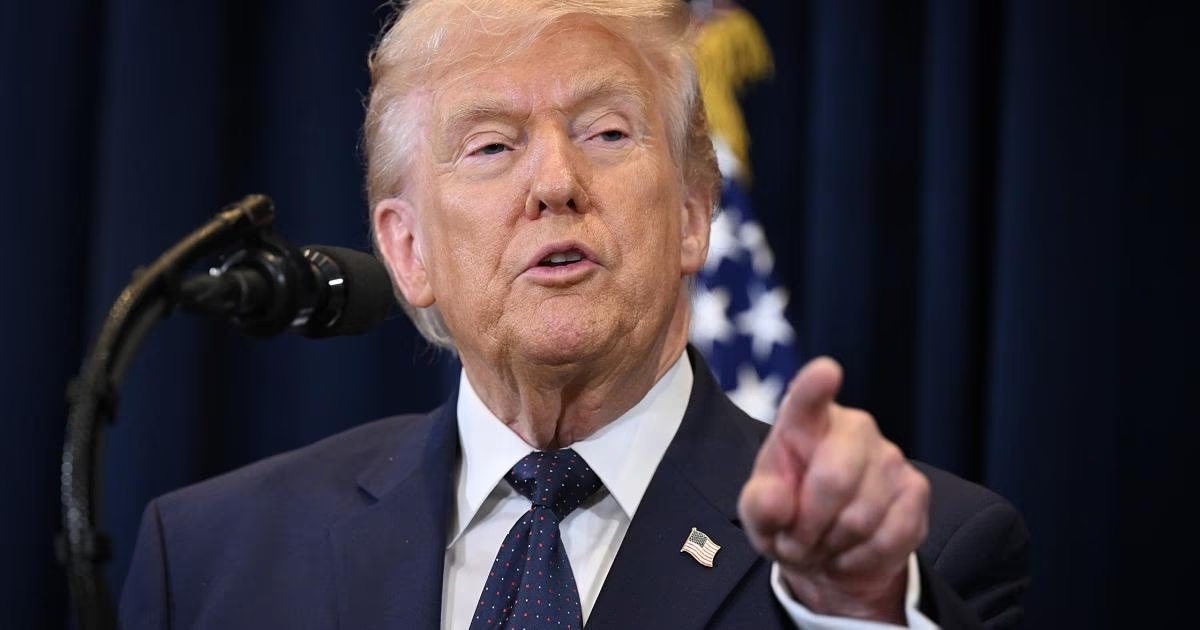







US President Donald Trump issued a strong warning to Iranian authorities, demanding that they refrain from imposing any financial fees on cargo ships and oil tankers crossing the Strait of Hormuz. These statements come after Tehran agreed to reopen the vital waterway as part of a two-week ceasefire agreement, which aims to de-escalate rising tensions in the region.
The US President had announced last Wednesday morning his official approval to suspend military strikes against Iranian targets for 14 days, provided the Strait is fully and immediately opened to international navigation. Trump stressed that the continuation of the ceasefire depends on both parties' commitment to de-escalation and ensuring that the flow of global trade through this strategic artery is not obstructed.
The roots of the crisis date back to early March, when Iran announced restrictions on navigation in the Strait, threatening to target any vessel attempting to cross without prior coordination with its forces. This closure caused severe disruptions in global markets, as approximately 20 million barrels of oil per day passed through the Strait before the recent tensions erupted.
On his 'Truth Social' platform, Trump expressed his displeasure with reports indicating Iranian attempts to collect money from passing ships, describing these actions as 'shameful' and contrary to what was agreed upon. The US President affirmed that the flow of oil would return to normal very soon, indicating that this would happen whether with or without Iranian cooperation.
In a related context, data from the marine monitoring service 'MarineTraffic' revealed very limited movement in the Strait since the truce began, with only ten ships having crossed by Thursday. These figures reflect the extreme caution prevailing among global shipping and insurance companies despite political de-escalation announcements.
For his part, British Prime Minister Keir Starmer entered the crisis, holding telephone talks with the US President to agree on a joint 'action plan' aimed at fully restoring navigation. The British Prime Minister's office clarified that both sides seek to enter a new phase of diplomatic solutions to ensure the security of international waterways.
Downing Street confirmed that the two leaders discussed the urgent need to restart maritime traffic as soon as possible to avoid further economic losses. Both parties agreed to continue close coordination and speak again soon to follow up on the implementation of the proposed action plan and overcome current obstacles.
These diplomatic moves coincide with a Gulf tour by Starmer, which included Qatar and Bahrain, to strengthen the fragile ceasefire in the Middle East. The British Prime Minister seeks, through his meetings with Gulf leaders, to build a united front that supports regional stability and secures global energy supplies.
In Bahrain, Starmer expressed his categorical rejection of any Iranian proposals regarding imposing transit fees, stressing that the concept of an 'open strait' means safe and free navigation without financial restrictions. He clarified in press statements that the British position is firm on the necessity of international waterways remaining free from political or economic blackmail.
Despite coordination with Washington, Starmer's stance was not without criticism of Trump's approach to managing the crisis, as he expressed reservations about the violent language used by the US President. Starmer indicated that he prefers sober diplomacy over statements that could exacerbate conflicts rather than resolve them.
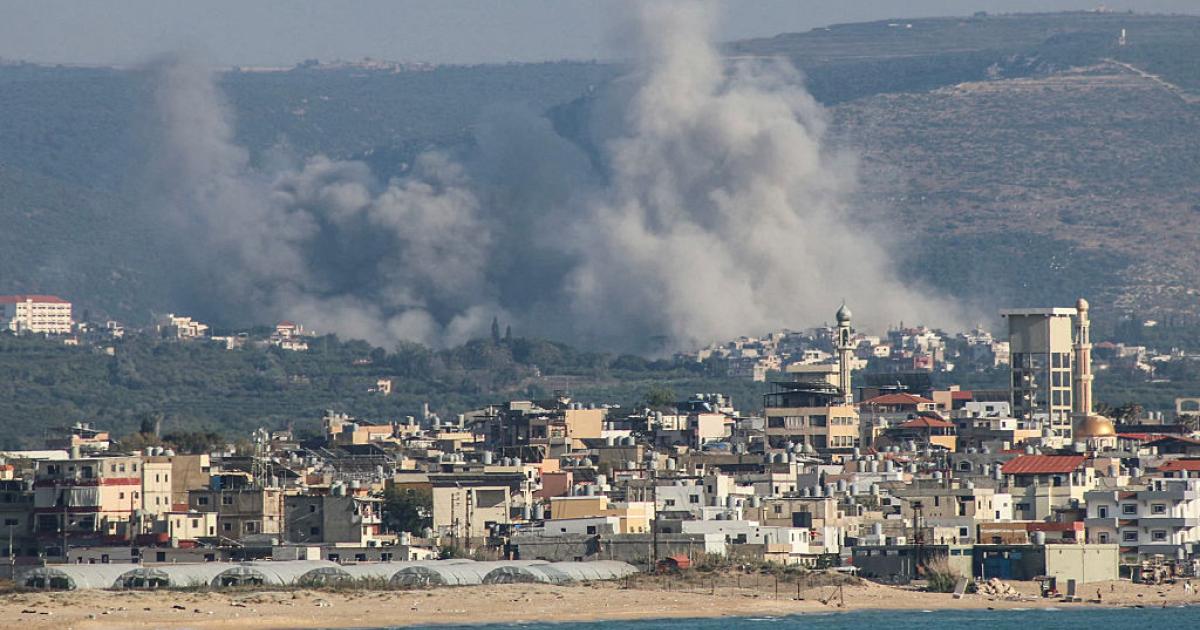
1. The British Prime Minister also touched upon the Lebanese issue, describing the continuation of Israeli attacks there as unacceptable and something that must stop immediately. Starmer considered the call for de-escalation in Lebanon to be a 'matter of principle' consistent with international efforts aimed at achieving comprehensive stability on all fronts in the region.
Economic and political circles are awaiting the results of these international pressures on Tehran in the coming days, and the extent of the latter's response to demands to open the Strait without financial conditions. The Strait of Hormuz remains the focal point of the current conflict, as any disruption there poses a direct threat to the food and energy security of many countries around the world.
There are reports that Iran is charging fees for oil tankers passing through the Strait of Hormuz. They better not be doing that, and if they are, they better stop now!

Share your opinion
Trump threatens Tehran over Strait of Hormuz fees, Starmer discusses plan to ensure navigation