







The UN Security Council witnessed a sharp division today, Tuesday, leading to its failure to pass a draft resolution calling for the reopening of the Strait of Hormuz to international navigation. Both Russia and China used their veto power to strike down the proposal aimed at encouraging the escort of commercial vessels crossing the strategic strait.
The draft resolution, drafted by the Kingdom of Bahrain and widely supported by Gulf states and the United States, received the backing of 11 member states of the Council. In contrast, two permanent member states opposed the proposal, while two other members chose to abstain from voting in the session, which was marked by diplomatic tension.
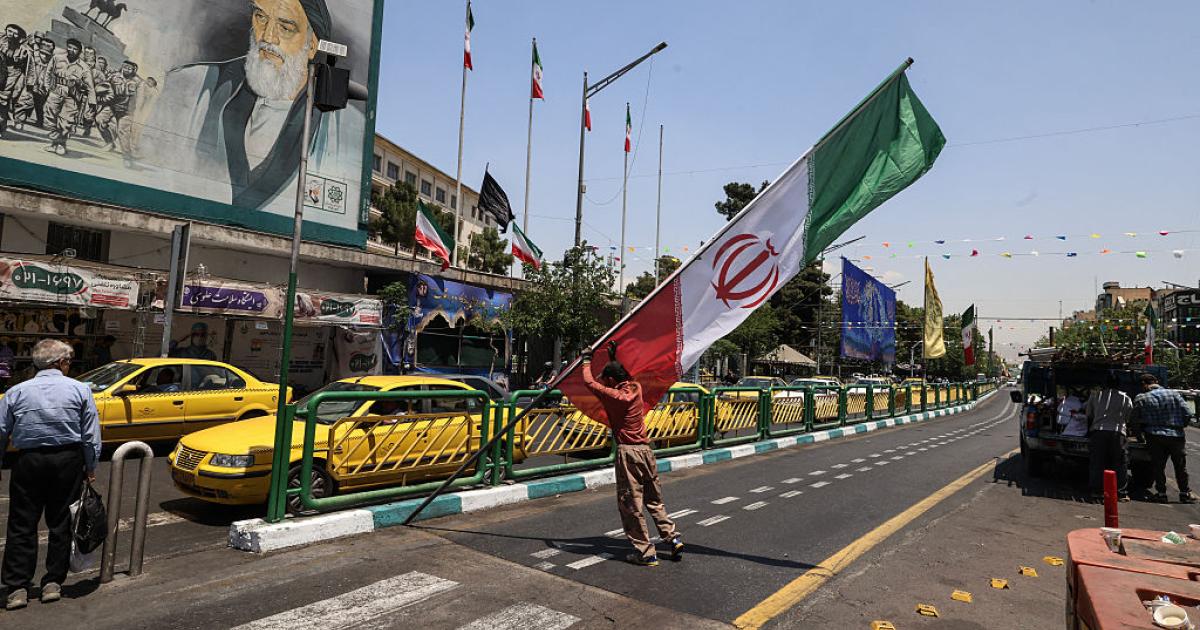
These developments follow Tehran's decision, issued on March 2nd, to restrict navigation in the vital strait. Iran justified its move as a direct response to US-Israeli military operations that targeted security officials and prominent leaders, resulting in Iranian casualties.
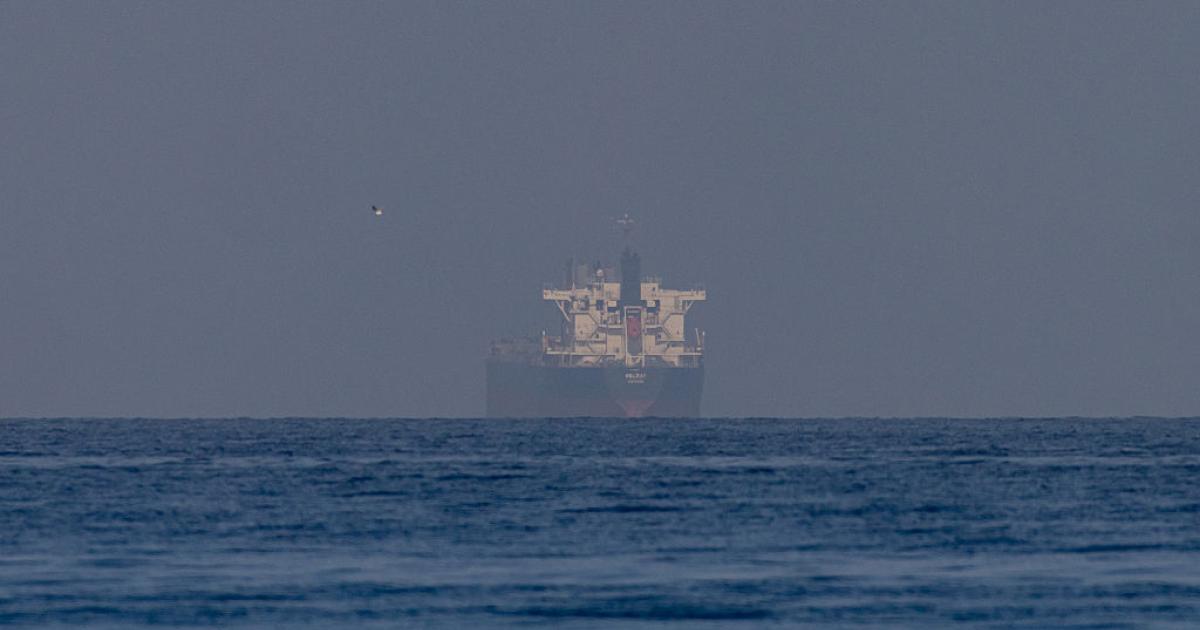
The restrictions imposed on the strait have led to tangible global economic repercussions, with a sharp decline in the movement of oil and natural gas tankers. This decline directly impacted the increase in marine insurance costs and shipping fees, contributing to surges in energy prices and international inflation rates.
For his part, Bahraini Foreign Minister Abdullatif bin Rashid Al Zayani expressed the deep regret of the Gulf states over the obstruction of the UN resolution. Al Zayani, speaking on behalf of a bloc including Saudi Arabia, Qatar, Kuwait, the UAE, and Jordan, affirmed that this veto weakens the international organization's ability to protect international peace and security.
In the context of international interventions, the Pakistani representative to the United Nations stressed the need to give diplomacy an additional chance to resolve the crisis and avoid military escalation. He warned that continued tension in this sensitive region would lead to negative effects extending to the stability of the entire global economy.
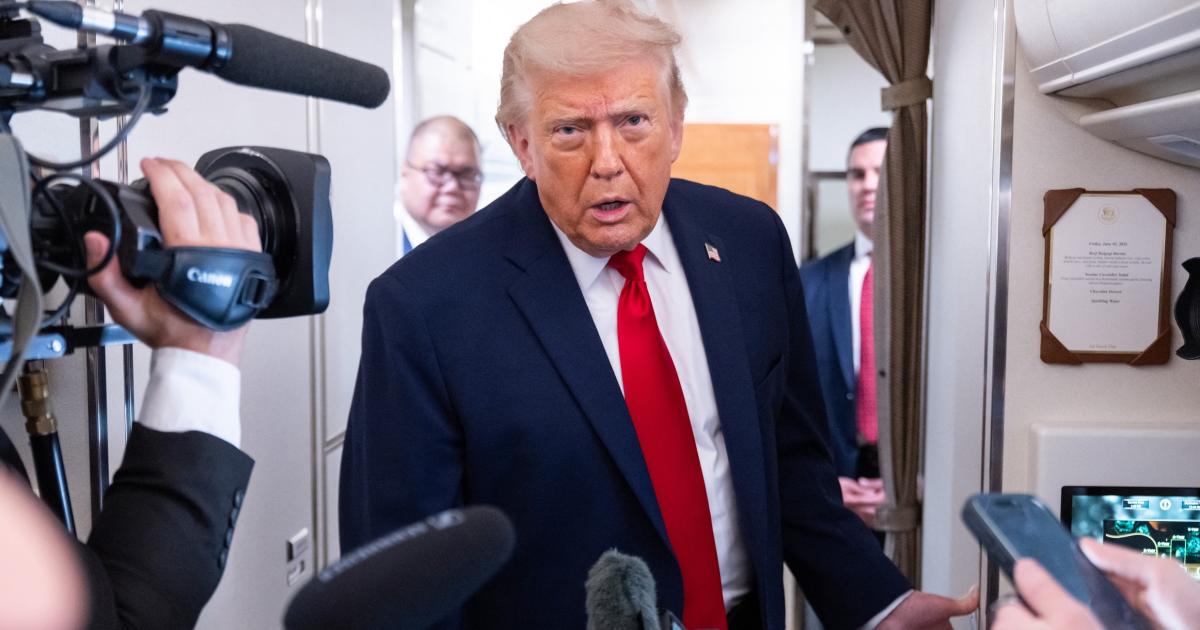
On the American side, the US representative called on what he described as 'responsible' countries to unite to secure freedom of navigation in the Strait of Hormuz. Washington considered the protection of international waterways a collective responsibility that should not be subject to political tug-of-war or the narrow interests of certain powers.
In contrast, the Russian representative defended his country's position, indicating that Moscow intends to submit an alternative draft resolution in cooperation with Beijing to address the ongoing conflict in the Middle East. He explained that the Russian mission had previously engaged in negotiations to amend the Bahraini text, but the final version did not meet Russian reservations.
Informed sources reported that the resolution's failure was expected in the final moments despite amendments made to its draft during the negotiation phases. Diplomatic predictions suggest that the Gulf group may resort to the UN General Assembly to present the same project in the coming days to overcome the veto obstacle.
Russia and China's use of the veto sends the wrong message to the peoples of the world, implying that the threat to international waterways can go without a firm collective response.



Share your opinion
Russian-Chinese Veto Thwarts UN Security Council Resolution to Reopen Strait of Hormuz