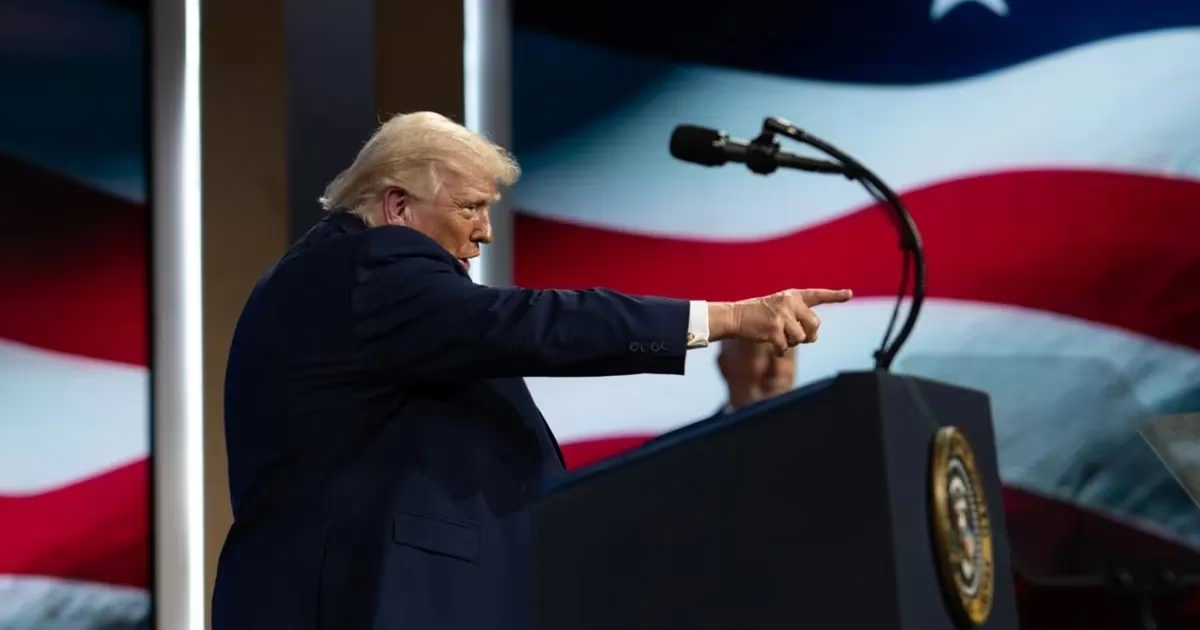







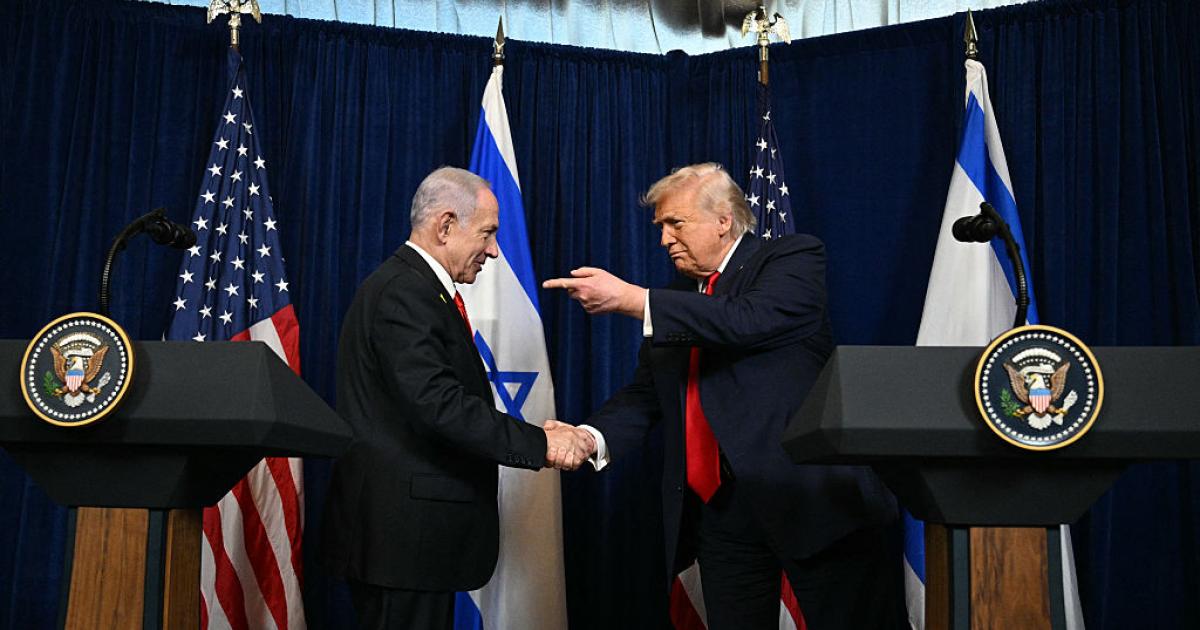
US President Donald Trump officially admitted that the United States had shipped large quantities of weapons and military equipment with the aim of delivering them to protesters inside Iranian territory. Trump explained during statements he made on the sidelines of Easter celebrations at the White House that the purpose of this step was to enable protesters to confront the Iranian authorities, which he described in harsh terms, noting that these supplies were part of a broader support plan.
Trump revealed that these military shipments failed to reach their final destination, confirming that the weapons did not reach the hands of the protesters as planned. The US President expressed his strong anger at this logistical failure, hinting that there were intermediary parties that caused the loss of these supplies, which raised questions about the intelligence and security coordination mechanisms followed by Washington in this sensitive operation.
In a related context, Trump directed direct accusations at Kurdish groups in the region, claiming that they were the ones who seized the weapons intended for inside Iran and kept them for themselves. He indicated in a previous media interview that Washington tried to use Kurdish corridors as a channel for transferring weapons, but the results were disappointing after the intermediaries decided to keep the military equipment for their own benefit instead of passing it on.
The US President threatened the parties he accused of confiscating the weapons with dire consequences, stressing that they 'will pay a heavy price' for this action that hindered the American strategy towards the Iranian protests. This harsh tone reflects the extent of frustration in the US administration over the loss of huge military resources that were aimed at changing the balance of power on the ground in confronting the Iranian government.
The roots of these movements go back to the wave of protests that erupted in Iran late last December, which began with livelihood and economic demands before turning into widespread political demonstrations. Trump had made public promises last January to Iranian protesters that 'help is on the way,' which now explains the nature of those aids, which turned out to include combat military equipment.
These confessions raise wide international legal and political repercussions, as they place direct American intervention in Iranian internal affairs under the microscope of international law. They also highlight the complexities of the relationship between Washington and its Kurdish allies in the region, especially after accusing them of betraying American trust and keeping weapons that were intended for secret operations outside the borders of their traditional areas of influence.
We sent weapons, many weapons that were supposed to reach them so that they could fight these villains.
Share your opinion
Trump admits sending weapons to protesters in Iran and accuses Kurds of confiscating them