






The region has entered a highly dangerous phase as the deadline set by US President Donald Trump for the Iranian leadership approaches, with Israel and the United States elevating military coordination to its highest levels. Informed sources reported that the air forces of both countries are finalizing plans to cripple vital infrastructure in Iran should the deadline expire without Tehran responding to American demands.
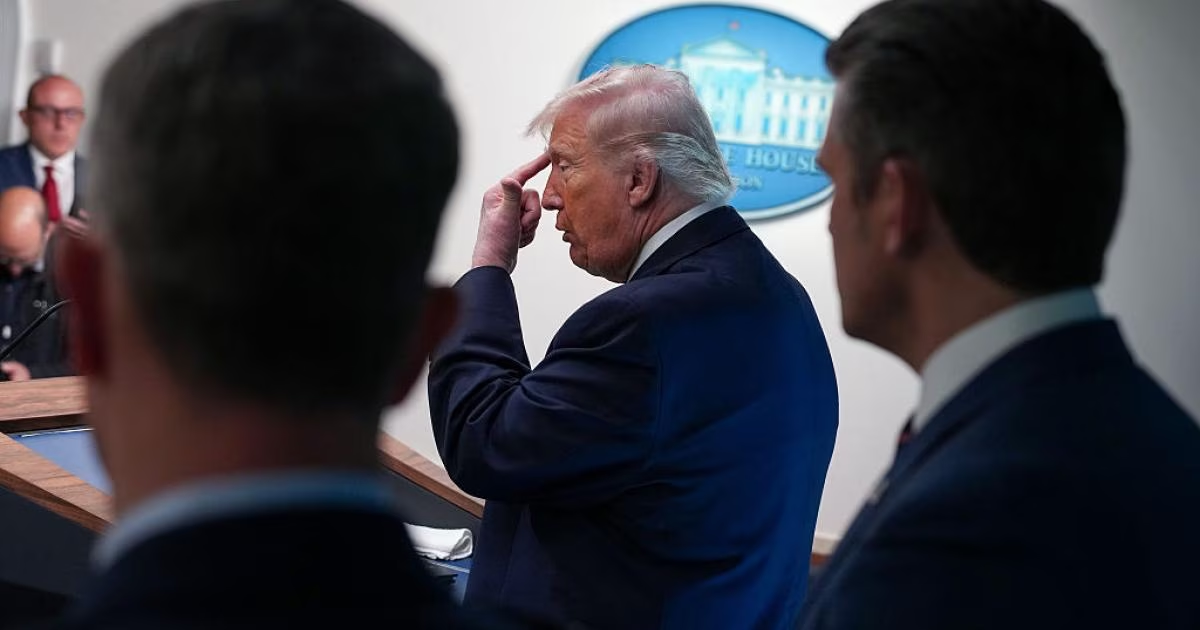
US President Donald Trump affirmed that ongoing talks have not yielded the desired results so far, emphasizing that the military option is now ready for immediate implementation. Trump clarified in statements from the White House that specific targets include power generation stations, bridges, and strategic civilian facilities, aiming to exert maximum pressure to force Tehran to open the Strait of Hormuz.
For his part, US Secretary of Defense Pete Hegseth stated that air operations would witness an unprecedented escalation starting this Monday, confirming that the strikes would be the most violent since the confrontation began. Hegseth indicated that the intensity of fire would double on Tuesday, coinciding with the expiration of the specified deadline, to ensure the precise achievement of military objectives.
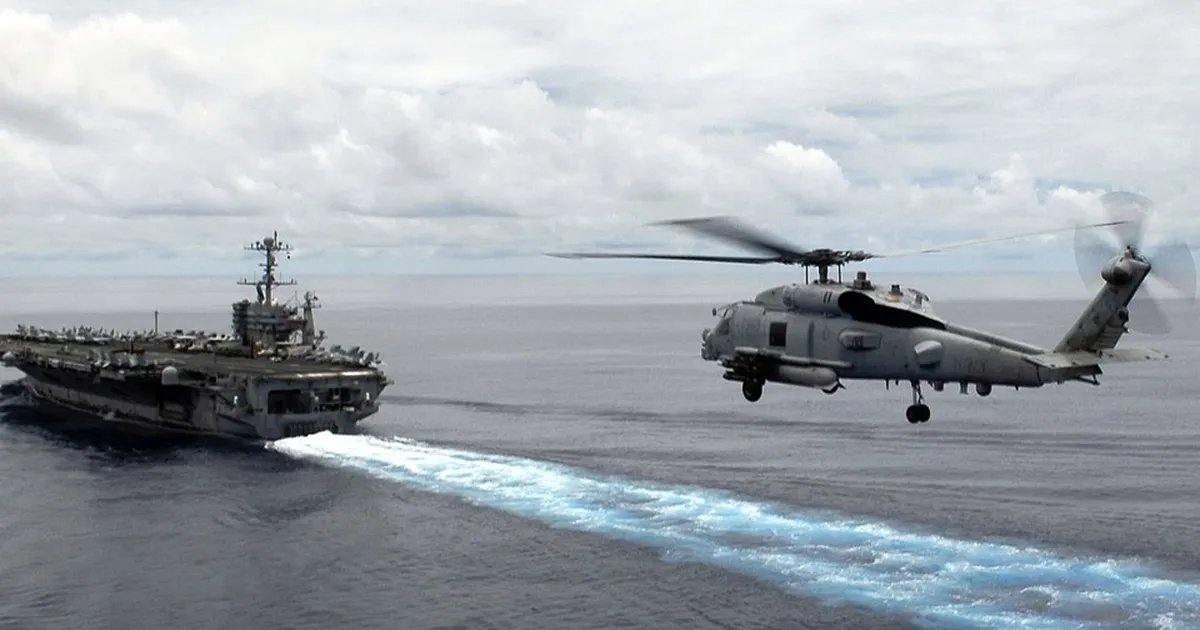
In the context of field developments, the US Secretary of Defense revealed details of the rescue of an F-15 fighter jet pilot who had crashed over Iranian territory last Friday. He explained that the pilot managed to hide and communicate with friendly forces before a complex rescue operation successfully recovered him on Sunday, providing a morale boost to the forces involved in the air operations.
On the other hand, Tehran responded with a sharp escalatory tone, with Iranian Foreign Minister Abbas Araghchi conducting a series of international contacts, including with his counterparts in Qatar and Japan. Araghchi considered American threats to target civilian and energy facilities as a full-fledged 'war crime' and an attempt to annihilate the Iranian people, calling on the international community to intervene to stop this recklessness.
Iranian military leaders stressed that any American or Israeli aggression would be met with an 'earthquake-like' response that would extend beyond Iran's geographical borders to include energy facilities throughout the region. Sources in Tehran confirmed that the Iranian armed forces have established a target bank including vital facilities within the occupied territories, warning that any infringement on Iran's sovereignty would mean the outbreak of a comprehensive regional war.
Tehran maintained its strategic stance on the Strait of Hormuz, considering it a sovereign deterrent that cannot be relinquished under the weight of threats or sanctions. Media sources indicated that Tehran views control over the Strait as a key leverage in the global energy equation, which explains the American insistence on opening it as a prerequisite to avoid military escalation.
In a notable development, Iran's 'Khatam al-Anbiya Headquarters' hinted at the possibility of activating resistance fronts in the region, including threatening to close the Bab al-Mandab Strait through Tehran's allies. This move aims to divert American and Israeli efforts and create an international navigation crisis that would increase economic pressure on the US administration, which seeks to secure global trade routes.
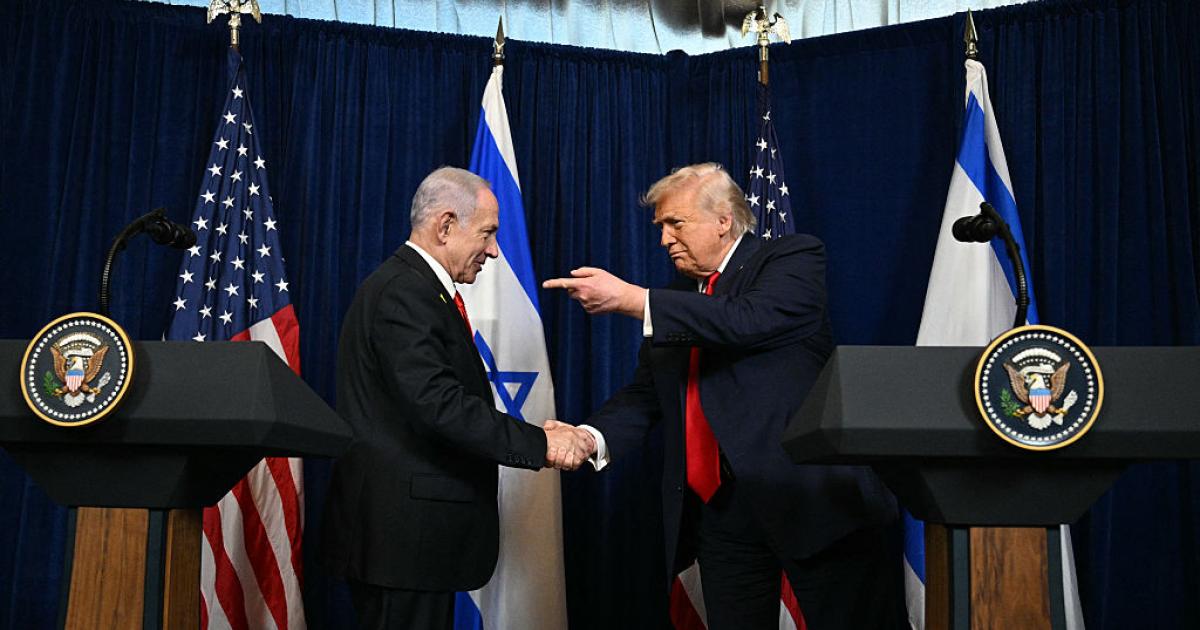
In Tel Aviv, Israeli sources reported that the security establishment is cautiously awaiting the coming hours, amid fears that Trump might back down at the last minute from the decision for a comprehensive attack. Despite this caution, the Israeli Broadcasting Corporation confirmed that the Israeli army is on high alert, awaiting the American 'green light' to commence joint attacks on Iranian targets.
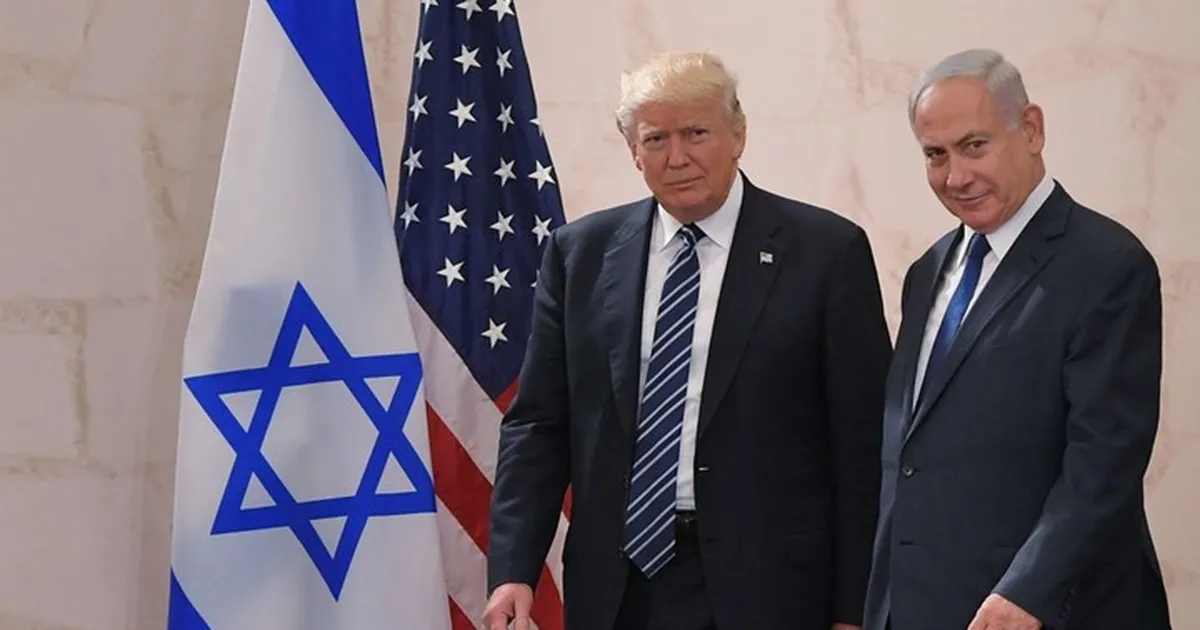
Israeli Prime Minister Benjamin Netanyahu is scheduled to hold a small security meeting with senior army and Mossad commanders to assess the field situation and coordinate next steps with Washington. The meeting will focus on potential Iranian response scenarios and how to protect the Israeli home front from anticipated missile barrages should a major confrontation erupt.
These developments come after approximately 40 days of continuous military operations targeting various Iranian facilities, which sources described as a prelude to the current decisive phase. These operations have resulted in significant losses among Iranian leaders, further complicating the political and military landscape in the region and pushing it to the brink.
It is worth noting that the direct confrontation that erupted in late February resulted in dramatic shifts, most notably the assassination of Supreme Leader Ali Khamenei and a number of senior security officials. This leadership vacuum, despite Tehran's attempts to fill it, has left the Iranian regime facing existential challenges in the face of continuous American and Israeli military pressure.
In contrast, Tehran continued its retaliatory operations by launching swarms of drones and ballistic missiles towards Israeli targets and American bases in the region. Although Tehran affirmed that its strikes target only military interests, field reports indicated civilian casualties in some Arab countries as a result of these missile barrages.
As the zero hour approaches on Tuesday, anticipation remains the dominant sentiment in world capitals, where observers fear that any miscalculation could lead to an uncontrollable regional explosion. All eyes remain on the White House and whether Trump will proceed with his threats to completely destroy Iranian infrastructure in a single night.
Monday will be the day of the most violent air strikes, and Tuesday will be even more intense.
Share your opinion
Israeli-American Readiness for Widespread Strikes Against Iran as Trump's Deadline Nears