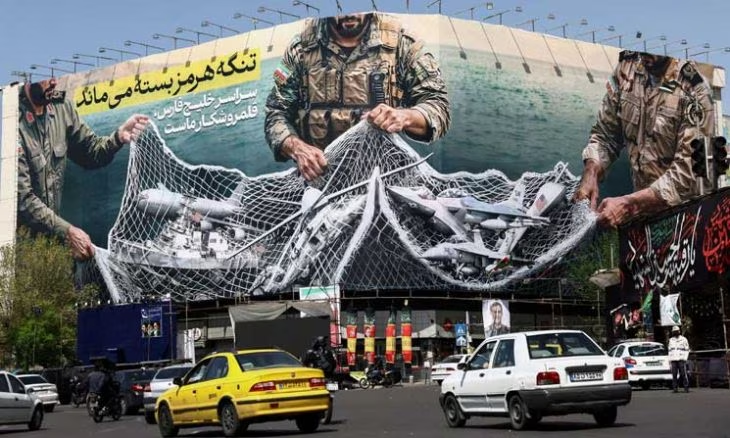







Informed sources revealed that both Tehran and Washington have received a diplomatic plan aimed at ending mutual hostilities, with expectations of it coming into effect within the next few hours. This initiative primarily aims to secure the reopening of the Strait of Hormuz to international navigation and prevent the region from sliding into a comprehensive and destructive confrontation.
The sources clarified that Pakistan played a pivotal role in drafting this political framework, having delivered the draft to both parties during the past night hours. The Pakistani vision relies on a gradual strategy, starting with an immediate and comprehensive ceasefire as a confidence-building step, followed by detailed negotiations to reach a final agreement.
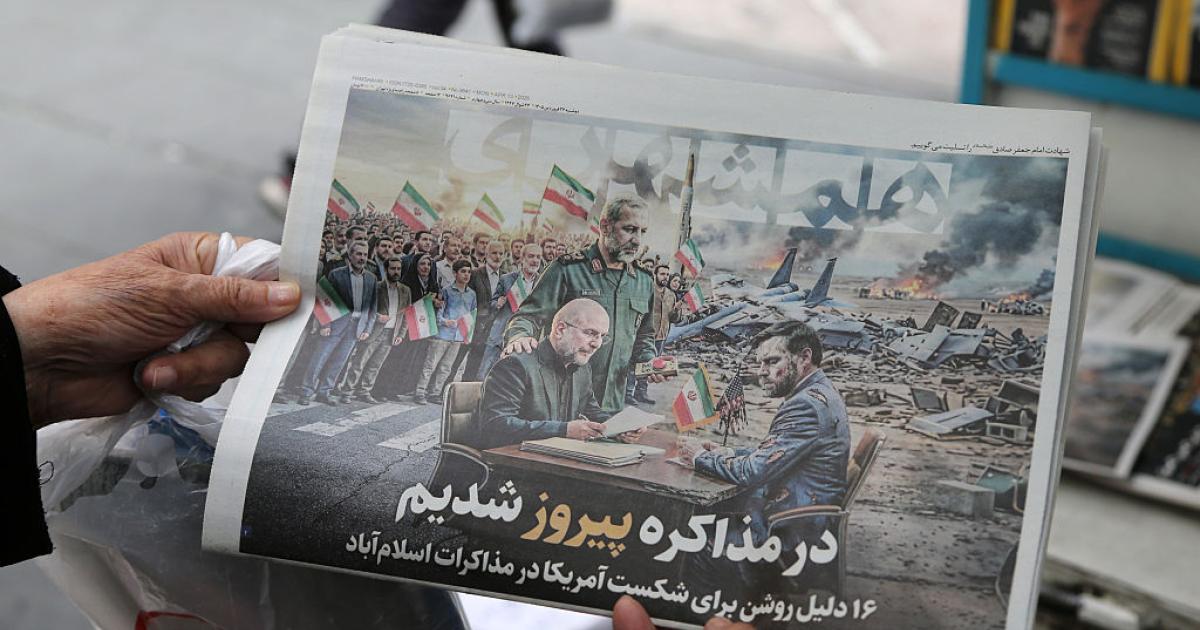
The incoming reports emphasized the necessity of reaching a final agreement on all terms of the plan today to ensure that diplomatic efforts do not collapse. The initial understandings are to be formulated into a formal memorandum of understanding, with Islamabad overseeing the completion of its legal and political procedures as the sole channel of communication.
In a related context, international press reports indicated that the United States and Iran, with the participation of regional mediators, are discussing a parallel proposal that includes a 45-day humanitarian and military truce. This timeframe aims to provide a suitable environment for negotiating a permanent end to the war, away from the pressures of field military operations.
The first phase of this proposal includes a complete freeze on all offensive activities, with the possibility of extending the truce if the parties show seriousness in reaching radical solutions. The second phase focuses on drafting a peace treaty or security agreement that ensures no return to military escalation in the near future.
These rapid diplomatic moves come under significant time pressure, especially after recent statements by US President Donald Trump, which carried a clear tone of threat. Trump had set a deadline ending Tuesday evening, demanding the full opening of the Strait of Hormuz or facing strikes targeting vital infrastructure.
Observers believe that Pakistani mediation represents the last chance to avoid direct confrontation, especially since it enjoys relative acceptance from the conflicting parties due to its ability to accurately convey messages. Global capitals are awaiting the results of these deliberations, given the extreme strategic importance of the Strait of Hormuz in global energy supplies and the stability of the international economy.
Despite cautious optimism, challenges remain regarding the technical details of the ceasefire and the international monitoring mechanisms that may be imposed later. The gamble now is on the extent of the leadership's response in Tehran and Washington to the draft agreement, and their ability to make mutual concessions that end the current state of tension.
All elements must be agreed upon today, and the initial understanding will be drafted as a memorandum of understanding to be finalized through Pakistan.


Share your opinion
Pakistani Mediation to End the Conflict: A Two-Phase Plan to Open the Strait of Hormuz and Ceasefire