






The book 'The Demographic Conflict in Palestine from the Nakba to the War of Annihilation' by researchers Jamal Al-Baba and Hani Talib reviews the forced transformations witnessed in the Palestinian territories, especially after the events of October 7, 2023. The authors believe that demography has become a central arena of conflict used by Israel as a tool to re-engineer human and geographical reality to serve long-term strategic goals.\n\nThe study confirms that the recent war resulted in unprecedented waves of displacement and widespread destruction of infrastructure, leading to a sharp decline in natural growth indicators and a radical change in the geographical distribution of the population. Despite these pressures, Palestinian society maintained dynamics of social resilience that contributed to solidifying its historical presence, leaving the demographic balance as a crucial element in the equation of future political solutions.\n\nReturning to historical roots, sources indicate that the 1948 war led to the displacement of 780,000 Palestinians, while Israel controlled 78% of historical Palestine. 150,000 Palestinians remained within the territories occupied in '48, who later formed a demographic dilemma for the occupation, which tried to politically and socially marginalize them despite granting them nominal citizenship.\n\nAccording to statistics in the book, the number of Palestinians in the occupied interior was estimated at approximately 1.809 million people by the end of 2024, representing 18% of the total population. Jerusalem leads the population centers in terms of the number of Muslims, with 386,000 inhabitants, constituting about 37% of the total population of the holy city, despite continuous restrictive policies.\n\nRegarding the Gaza Strip, the study clarifies that the Strip, with an area not exceeding 365 km2, received 190,000 refugees after the Nakba, creating immense pressure on limited resources. Over the past decades, the Strip has witnessed migration rates in search of work, but the human mass has remained a constant demographic challenge to Israeli plans aimed at liquidating the issue.\n\nThe book paints a grim demographic map for the period after October 2023, where more than 85% of Gaza's population was forcibly displaced multiple times due to military operations. The occupation authorities currently control about 58% of the Strip's area, while two million Palestinians are crammed into the remaining area, not exceeding 42%, amidst humanitarian conditions described by sources as extremely difficult.\n\nThe study revealed Israeli intelligence documents indicating that the "optimal solution" from the occupation's perspective is to evacuate Gaza residents to Sinai, which faced firm Arab and international rejection. Due to this failure in comprehensive forced displacement, Israeli policy shifted towards promoting what is called "voluntary migration" by creating an uninhabitable environment within the Strip.\n\nPopulation growth in Gaza was severely affected, recording a 6% decrease in 2024 and about 10% in 2025 due to the rising number of martyrs and missing persons and a decline in births. The Israeli army deliberately targeted young people and children, causing a clear distortion in the population pyramid and a change in the age and gender composition of Gazan society.\n\nDespite this systematic targeting, Palestinian youth in the (18-29 years) age group still constitute about 21% of the total population by mid-2025. The study considers this group to be the main pillar for any future development or national response to crises, and the real guarantee for the continuation of Palestinian existence in the face of replacement attempts.\n\nThe book compares the drivers of population growth for both sides, where Jewish population growth receives full logistical and legal support from the state to facilitate spatial expansion. In contrast, Palestinian population policies are subject to occupation restrictions on geography, forcing Palestinians to combine limited development with defensive resilience against settlement expansion.\n\nIsrael pursues a settlement policy aimed at preventing geographical connectivity between Palestinian communities, while promoting unhindered connectivity between settlements. These policies force Palestinians to build vertically due to the prevention of horizontal expansion, especially in Jerusalem and the Jordan Valley, areas subject to security and military planning aimed at absolute control over resources.\n\nThe number of settlers in the West Bank doubled alarmingly between 2005 and 2023, jumping from 256,000 to about 501,000 settlers. With the addition of Jerusalem settlers, the total reaches 746,000, under Israeli legislation approved in 2025 to establish 22 new settlements to legitimize settlement outposts and impose permanent sovereignty.\n\nThe study concludes by emphasizing the necessity of developing a conscious Palestinian strategy to confront the demographic repercussions of the war, by strengthening the population's ability to remain and expanding humanitarian aid. The authors propose protecting the most vulnerable groups and investing in the young age structure as a tool to confront the plans of emptying and demographic weakening pursued by the colonizer.\n\nThe concluding recommendations include encouraging investment in Area C and developing housing projects in areas with limited sovereignty, in addition to strengthening social networking with Palestinians in the diaspora and within. The book affirms that current demographic transformations are not natural, but rather the result of replacement policies that require a comprehensive national response to ensure the stability of threatened communities.\n\nThe conflict is no longer limited to political or military competition over land and resources; rather, at its core, it has become a conflict over the human being itself; their existence, number, and ability to survive.

MORE FROM PALESTINE

Statements by Ya'alon and Golan... Critical positions towards the government, even if in the context of electoral competition
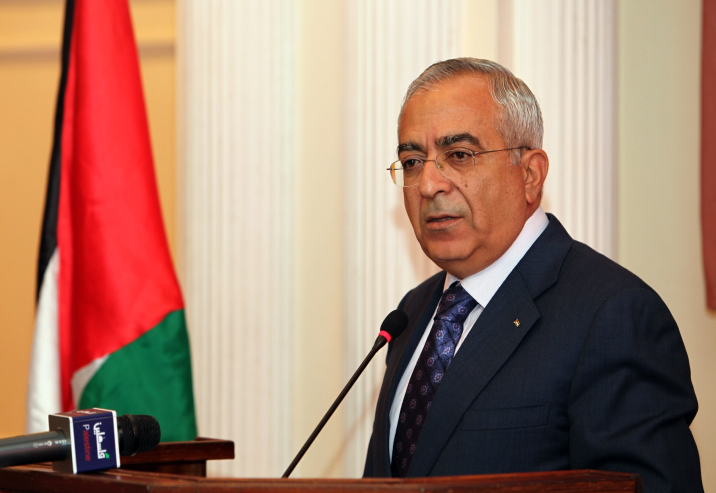
Fayyad to Foreign Affairs: If unity had been achieved, October 7th would not have happened
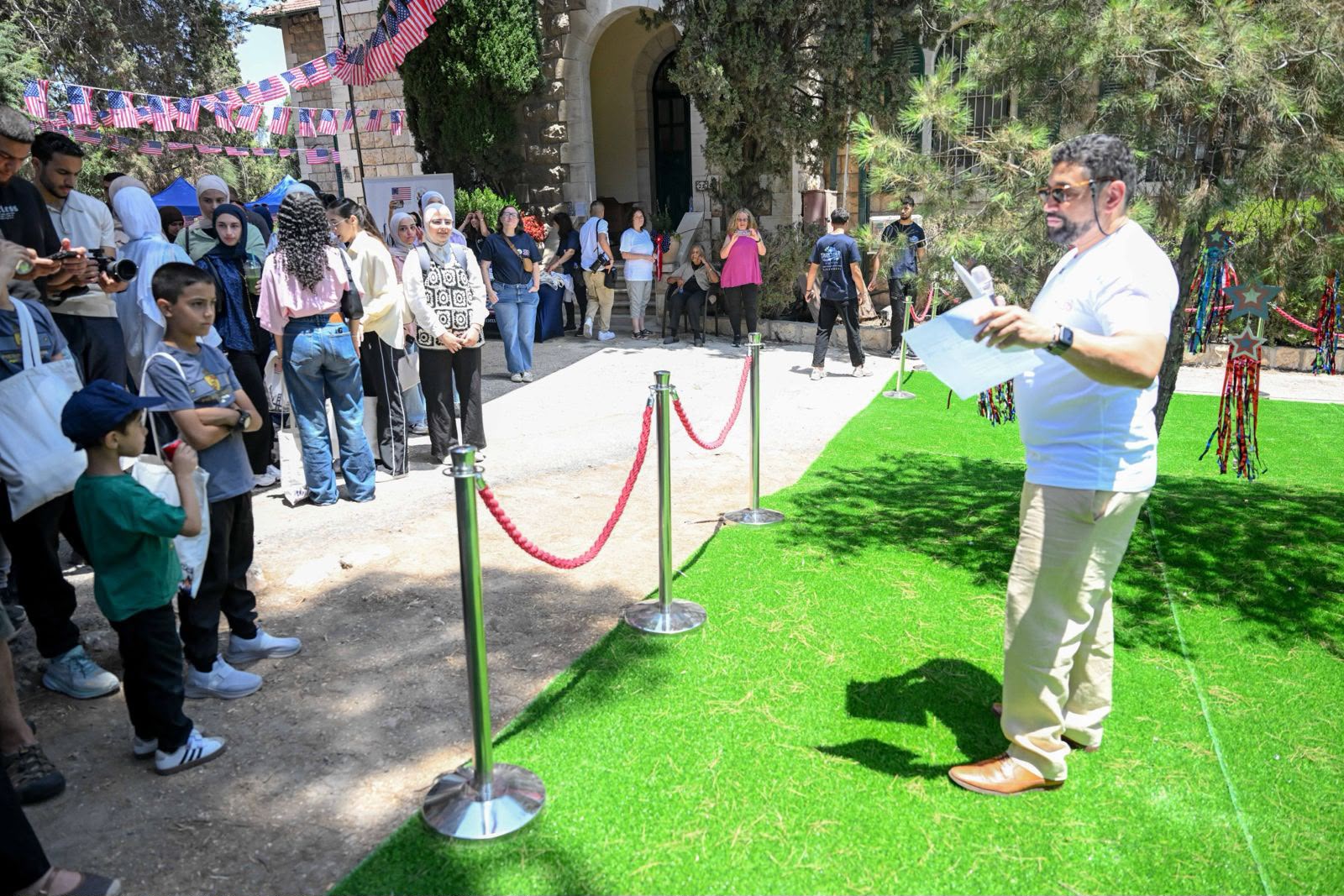
Deputy Chief of Mission at the US Embassy in Jerusalem: "Freedom250" exhibition tells the story of the United States through innovation and education.
Share your opinion
The Demographic Conflict in Palestine: A Reading of Displacement Policies and the Re-engineering of Human Reality