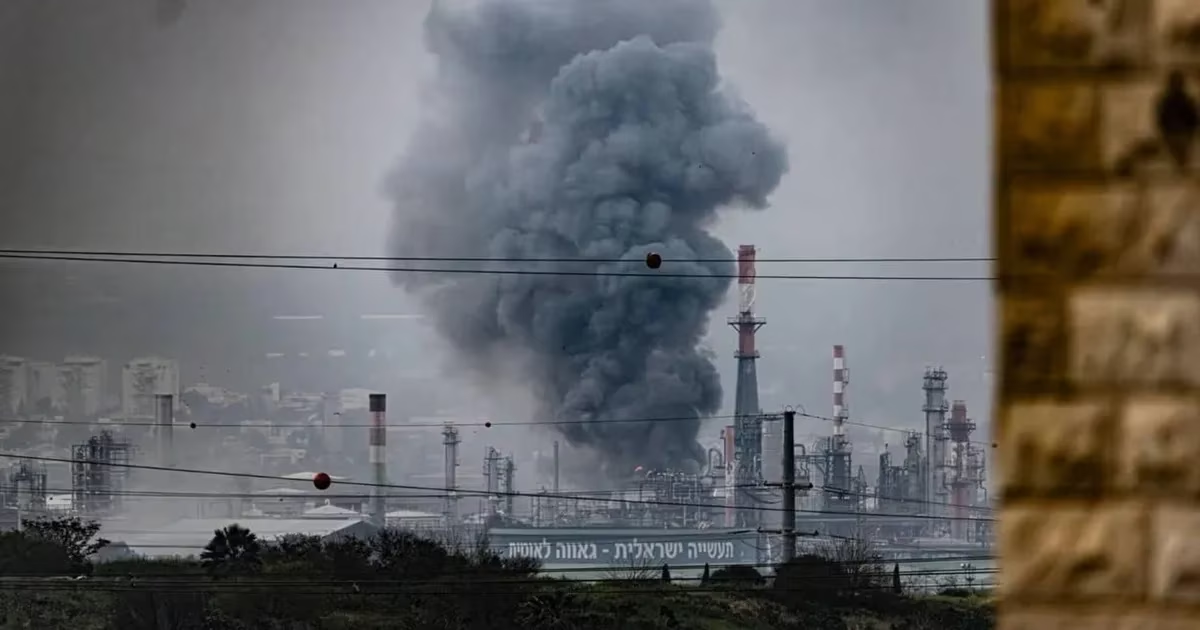







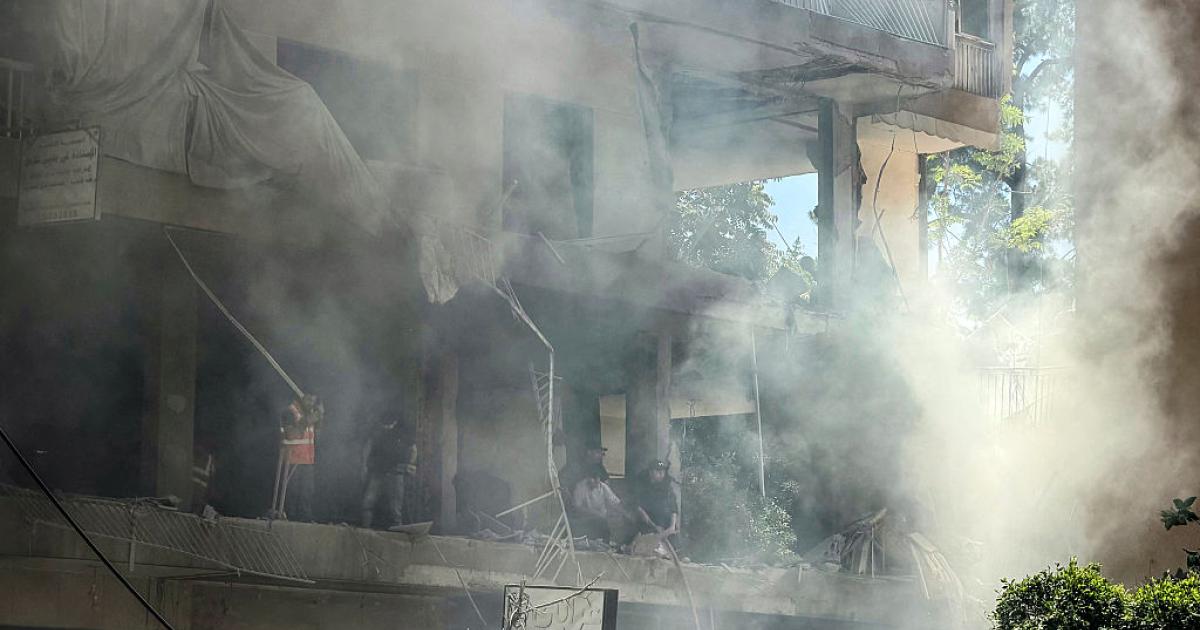
Tensions are escalating in the Middle East as the military confrontation against Iran enters its fourth week, amid indications that parties are slipping into what is known as the 'escalation trap'. The irrationality of this war is evident in the Israeli ally's attempt to embroil the United States in an illegal conflict, which has not received approval from the UN Security Council or explicit authorization from the US Congress, putting the Trump administration in direct confrontation with the Constitution and international law.
On the ground, reports revealed successful assassination operations targeting the top leadership in Tehran, including Supreme Leader Ali Khamenei and a number of first-tier leaders, among them Ali Larijani, Secretary-General of the Supreme National Security Council. These strikes, according to informed sources, aim to block any future opportunities for diplomatic negotiation, while the new leader, Mojtaba Khamenei, survived an assassination attempt despite being injured in the initial strike that targeted the leadership headquarters.
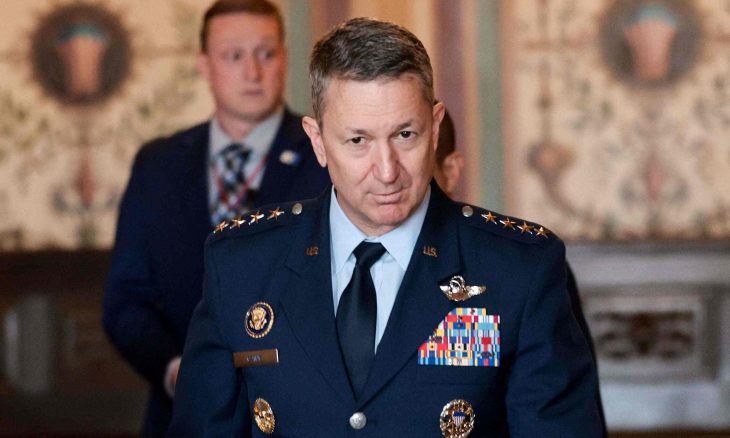
Despite statements by US Secretary of War, Pete Hegseth, claiming a decline in Iranian capabilities and the collapse of its air defenses, the reality on the ground indicates fluctuations in the pace of operations. CENTCOM data shows that the total number of targeted objectives exceeded 7,000, but Iranian forces are still capable of retaliation, as evidenced by the partial closure of the Strait of Hormuz and the targeting of vital facilities in the region.
Economically, the war has caused a severe shock to global markets, with the price of a barrel of oil jumping above $110, prompting the Trump administration to take contradictory steps, including temporarily lifting sanctions on Russian and Iranian oil to ensure supply flow. This confusion reflects military planners' misjudgment of the repercussions of closing vital waterways and its direct impact on fuel and electricity prices in Europe and the United States.
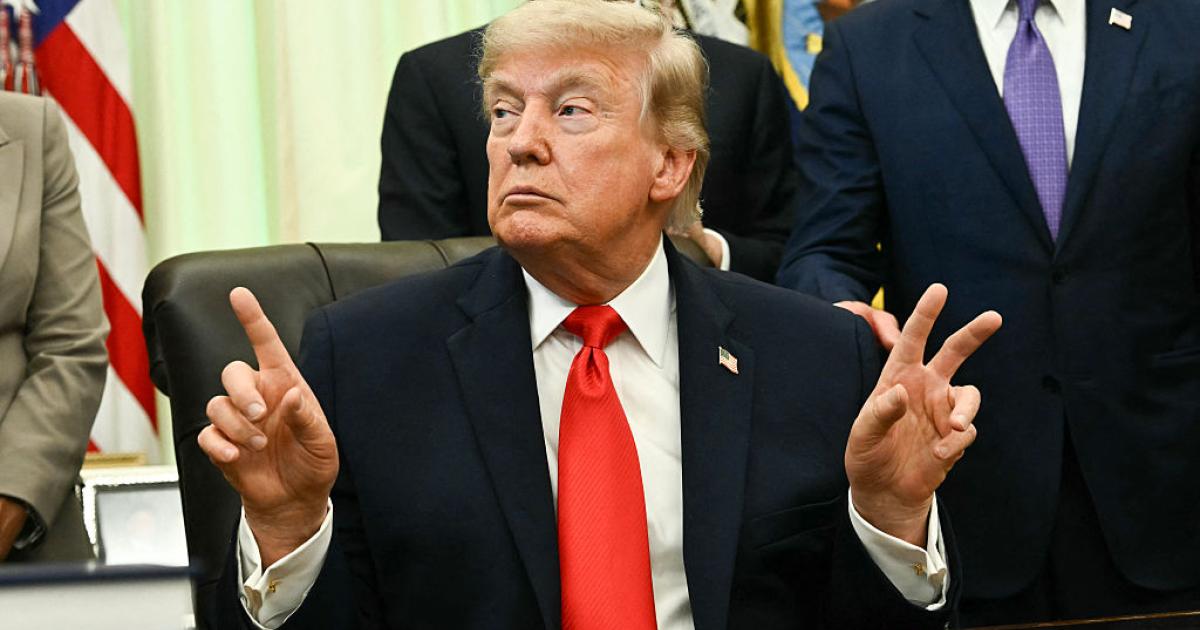
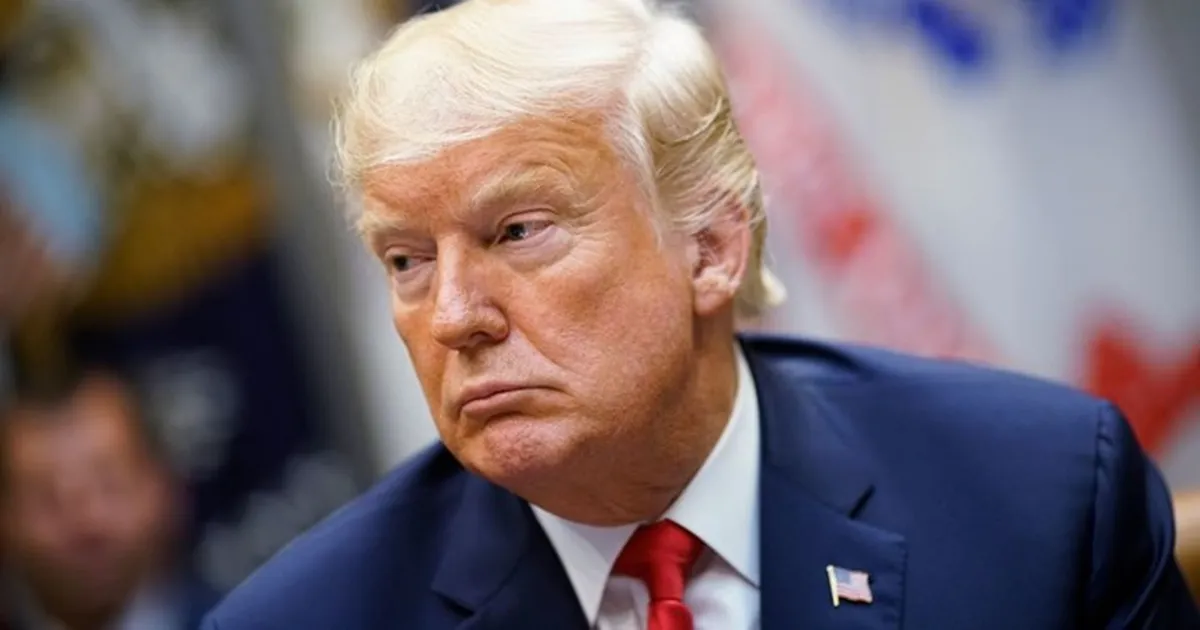
Domestically, President Trump faces increasing public opposition, with opinion polls showing that 60% of Americans reject continued involvement in this war, which has led to a rise in gasoline prices to $4 per gallon. This public discontent threatens the Republican majority in both the House and Senate as the midterm elections approach, especially amid accusations of corruption and mismanagement of international crises against the administration.
In the context of international pressure, regional parties, including the Sultanate of Oman, sent warning messages to Washington about the necessity of regaining control over its foreign policy and curbing Israeli escalation. Diplomatic sources confirmed that continued targeting of vital Iranian facilities will inevitably lead to retaliatory actions affecting allies' interests, making de-escalation an urgent necessity to avoid a complete economic collapse.
International powers, primarily Russia, are exploiting the US preoccupation with the conflict to achieve strategic gains and historical profits from rising energy prices. While Trump describes his NATO allies as 'cowards' for refusing to participate in securing navigation, Washington finds itself isolated in a war that drains its military resources, as confirmed by the recent emergency landing of an F-35 aircraft during a combat mission.
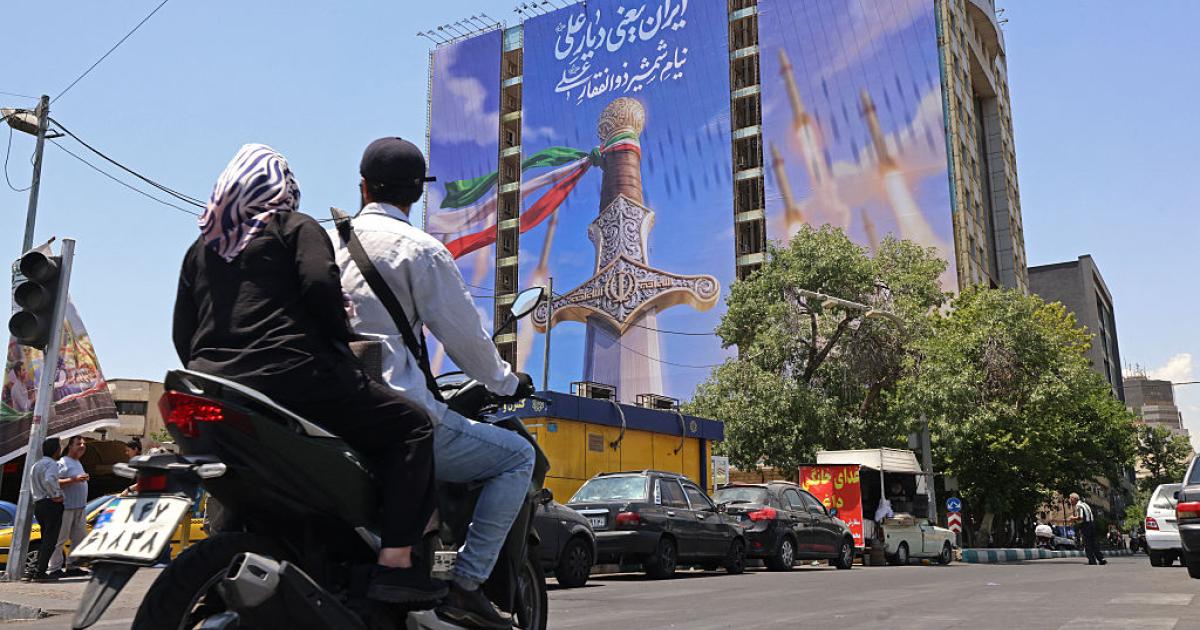
The current Iranian strategy is based on the principle of 'survival by raising the cost of war,' which Tehran considers a victory in itself against the American and Israeli war machine. With continued mutual shelling, the prospects of achieving a 'quick victory,' as Netanyahu had hoped, are fading, and the confrontation is turning into a long-term war of attrition that threatens to change the geopolitical map of the entire region.
In conclusion, observers believe that the only way out of the crisis lies in returning to de-escalation and opening the Strait of Hormuz to stranded Gulf oil and gas tankers. The continuation of the 'escalation trap' will not only lead to the fall of regimes but may also extend its impact to include the collapse of global stability, placing the GCC countries before a historical responsibility to impose a narrative of stability away from zero-sum agendas.
The current war is a war of choice and agendas, not a war of necessity, as the United States is being dragged behind Israel's desire to eliminate the Iranian regime without clear strategic objectives.
Share your opinion
The Escalation Trap in the Middle East: A War of 'Irrationality' Threatens the Global Economy and Stability of Major Powers