







Washington – Said Arikat – 3/2/2026
News Analysis
President Donald Trump's administration continues to justify the escalating war against Iran with broad rhetoric about security and deterrence. However, the data presented so far reveals a troubling reality: the United States appears to have entered a major military conflict in the Middle East without proving the existence of an imminent threat, formulating a clear strategy, or even having a realistic vision for how to end the war it initiated.
On Monday, Secretary of Defense Pete Hegseth defended the joint US-Israeli attack, describing it as a necessary response to Iran's nuclear ambitions and alleged terrorist threats. During the Pentagon's first comprehensive briefing since the start of operations, he stressed that Washington was acting defensively, stating: "We did not start this war, but under President Trump, we will end it," presenting the campaign as an act of retaliation against the Iranian leadership.
However, the strong statements were not accompanied by new intelligence evidence showing that Iran was preparing for an imminent attack against the United States or its allies, which is the traditional condition Washington has historically relied on to justify preventive wars. Instead, the administration's justifications relied on old accusations related to Iran's future intentions, not on an urgent, demonstrable threat.
This gap between justification and action brought back painful American precedents, when wars were launched based on extreme assumptions rather than confirmed facts, with military operations preceding political planning, and the results proving far more complex than decision-makers anticipated.
Hegseth affirmed that US forces were carrying out "surgical, overwhelming, and unapologetic" strikes aimed at destroying Iran's missile capabilities and preventing any path to acquiring nuclear weapons. But Chairman of the Joint Chiefs of Staff General Dan Kaine presented a much broader goal: preventing Iran from projecting its influence beyond its borders, a vague definition that transforms the war from a limited deterrence operation into an open-ended regional project with no clear measure of success.
Kaine said that "the work is still in its early stages," a statement that dispelled any impression that the confrontation would be short, and reinforced fears of Washington sliding into a long conflict governed more by the dynamics of military escalation than by achievable political objectives.
President Trump went further by explicitly declaring that the war aimed to overthrow the Iranian regime, which has been in power since 1979. However, neither the White House nor the Pentagon explained how regime change could be achieved without a massive ground invasion, an option the United States seems unprepared for after the costly experiences in Iraq and Afghanistan.
Military history indicates that air campaigns alone rarely overthrow entrenched regimes; in fact, they often strengthen internal nationalism. The assassination of Iran's Supreme Leader Ali Khamenei, rather than weakening the state, is likely to unite the Iranian interior around a narrative of resistance and revenge.
Despite Hegseth denying that the campaign was a war for regime change, he simultaneously acknowledged that "the regime has already changed," a contradiction reflecting the confusion characterizing the US administration's messages regarding the true objectives of the war.
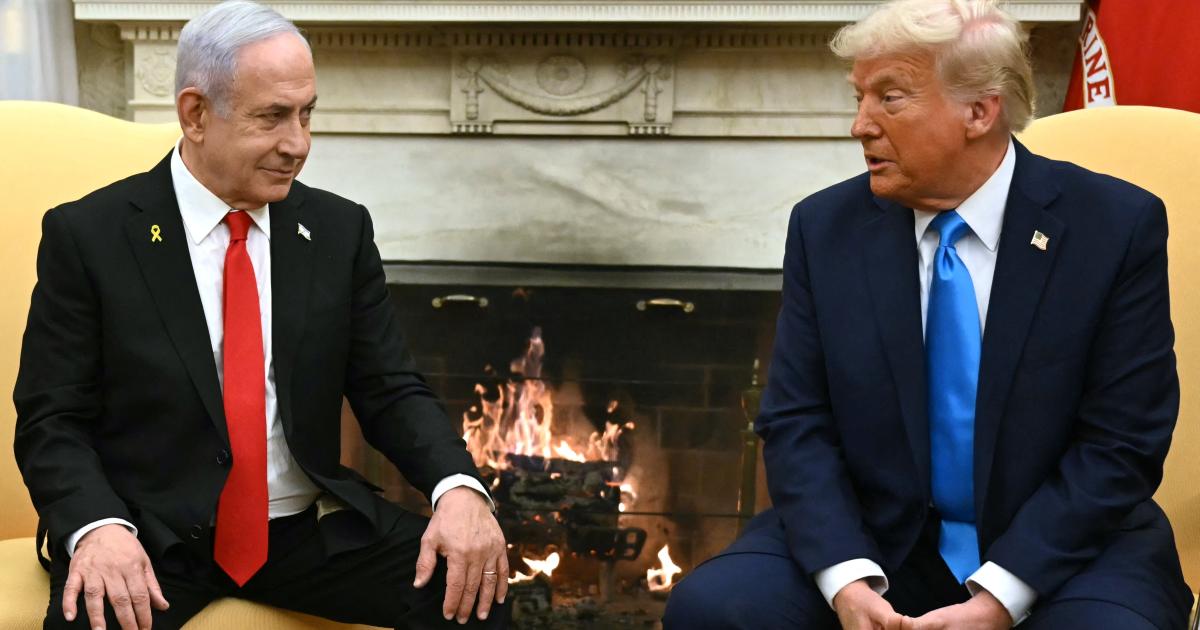
An increasing number of critics believe that the strategic rationale for the war is not directly related to US national security as much as it reflects alignment with the vision of Israeli Prime Minister Benjamin Netanyahu, who for decades has called for striking Iran. Previous US administrations refrained from adopting this option for fear of a widespread regional explosion, but Trump, since taking office on January 20, 2025, has shown enthusiasm in embracing Netanyahu's ideas in Gaza and Iran.
Today, Washington appears to have adopted that approach without fully appreciating its implications. No official has provided a clear explanation for why Iran became an immediate threat to Americans the moment the strikes began, raising questions about whether US policy is being formulated out of genuine security necessities or due to pressures from political alliances.
Domestic repercussions, in turn, reflect this ambiguity. House Democratic Minority Leader Hakeem Jeffries questioned why American soldiers were falling in a war that Congress had not formally authorized, demanding the activation of the War Powers Act to ensure constitutional oversight of the decision to use force.
Jeffries said the administration was "starting a war that we all know will not end well," expressing concerns quietly echoed within both parties.
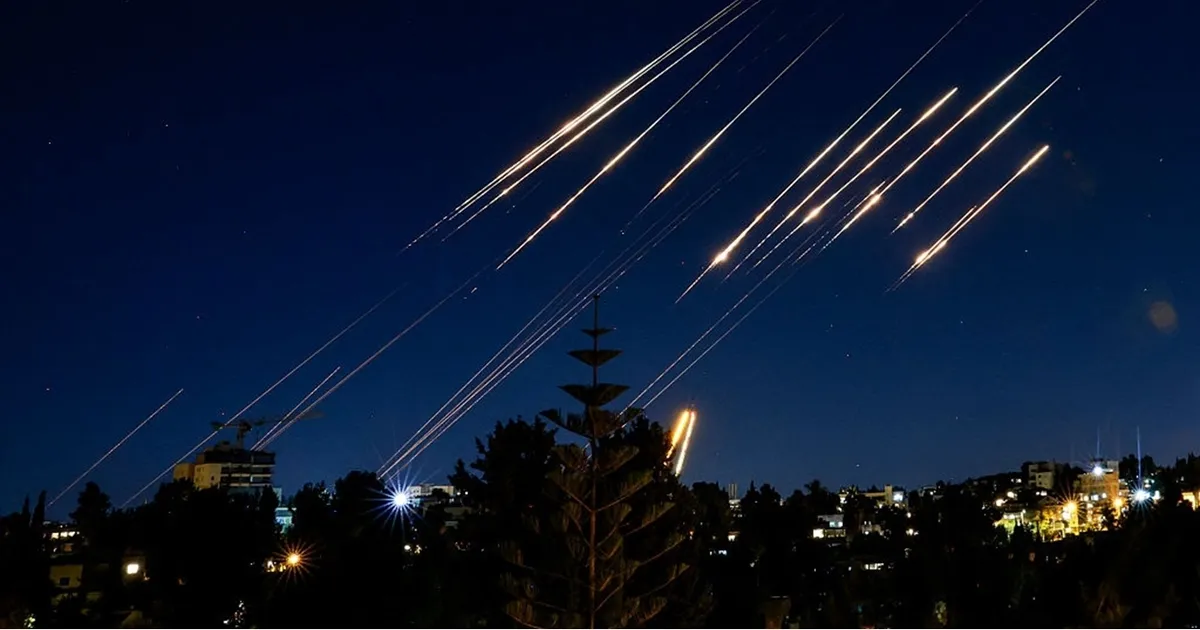
On the ground, the risks of escalation quickly began to appear. At least four American soldiers were killed, while Kuwait accidentally shot down three American planes, an indication of operational chaos and the potential for error in a complex combat environment. Iran and its allies responded by launching missiles at Israel, US bases, and regional countries, opening multiple fronts simultaneously.
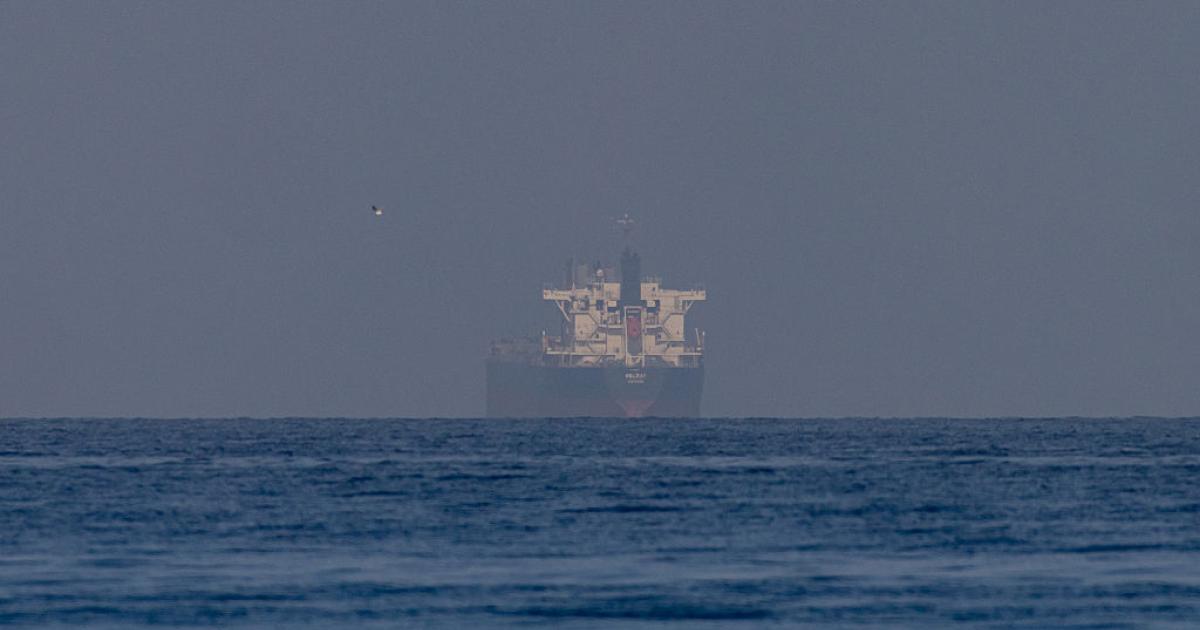
Even cities that were considered economically safe havens were not spared the repercussions, as areas near Dubai were subjected to attacks that disrupted air traffic and rattled global markets. Oil prices also rose and stock markets declined amid fears of a threat to energy supplies through the Gulf, the vital artery of the global economy.
Iran had repeatedly warned that any direct attack would lead to a comprehensive regional war, a scenario that today seems closer to realization than mere propaganda threat.
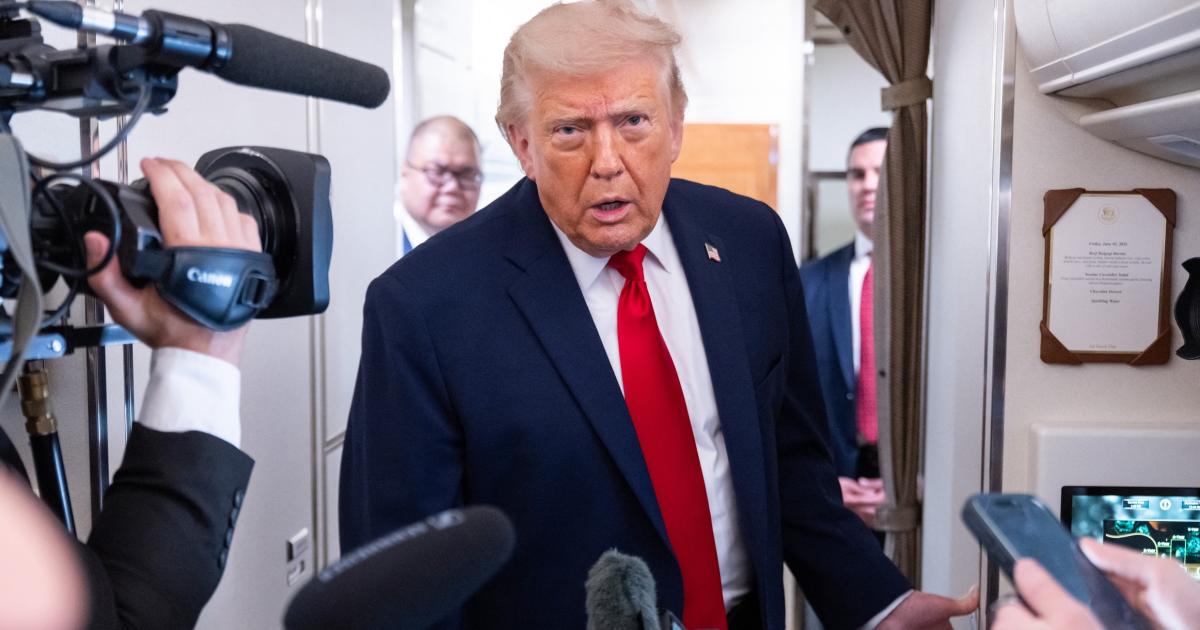
Most notably, the administration's public explanation of its long-term vision has been limited. Trump has avoided extensive media appearances since issuing the strike orders, leaving other officials to provide shifting explanations ranging from deterrence and punishment to regime change.
Traditionally, US presidents enjoy public support at the beginning of wars, but public opinion this time appears divided, reflecting deep fatigue after decades of foreign conflicts. In the absence of decisive evidence, specific objectives, or a clear political exit, this conflict faces the risk of turning into a new open-ended war whose repercussions extend beyond Iran's borders, reshaping the region's balances for many years to come.

Share your opinion
War Without Evidence: How Washington Rushed into a Dangerous Conflict with Iran to Satisfy Netanyahu's Obsessions