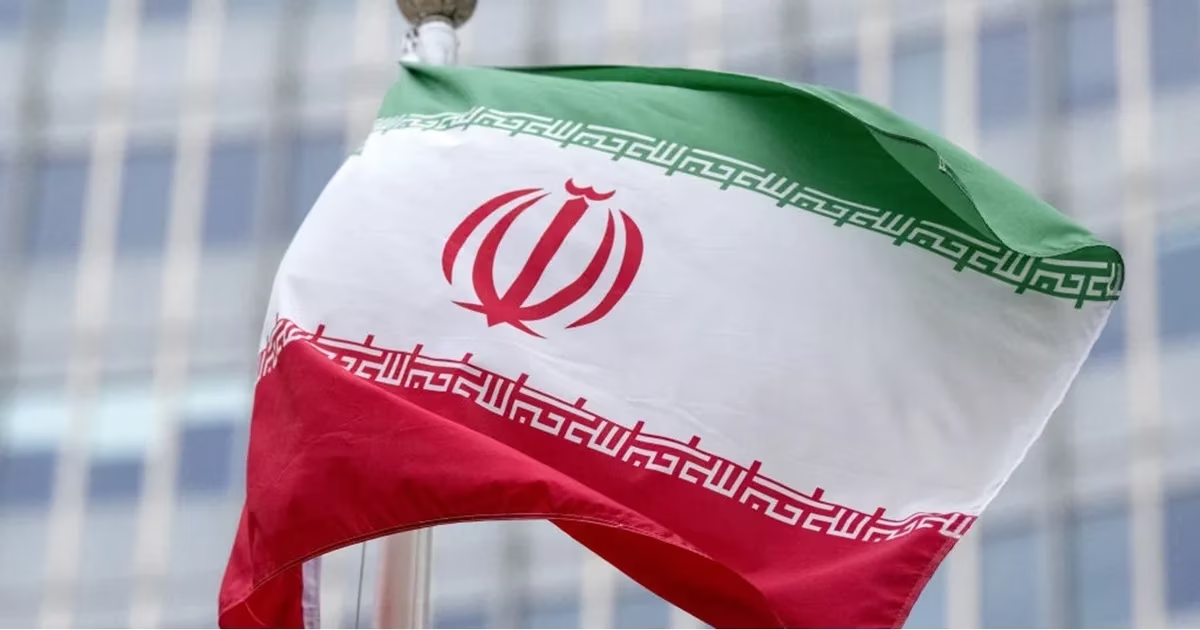







Writer David Ignatius considered the military operation launched by US President Donald Trump against Iran to be a major gamble that might not end as quickly as the White House imagines. He pointed out that targeting the Supreme Leader of the Islamic Republic, Ali Khamenei, might technically succeed in 'decapitating the regime,' but it does not necessarily guarantee its political or ideological collapse.
The article explained that for 45 years, American presidents avoided entering into a comprehensive confrontation with Tehran due to grave risks, but Trump broke this custom by launching a wide-ranging attack. Ignatius believes that killing an elderly and frail leader like Khamenei, who was born in 1939 and suffered the consequences of a previous assassination attempt, may not represent the desired radical change.
The writer warned of the absence of a clear plan for the aftermath of the first strike, emphasizing that he had not heard from any American or Israeli official an accurate vision for the next phase. He mentioned that recent history proves the failure of wars aimed at regime change, citing the Russian models in Ukraine and the Israeli models in Gaza, where the conflict dragged on contrary to initial expectations.
According to the analysis, Trump, who urged Iranians to rise up and risk their lives, now finds himself obliged to end this war with overwhelming success. American generals believe that entering a war with a 'hated' regime requires a long breath, and there is no easy way out once the fuse of direct confrontation is lit.
Ignatius described Trump's approach as the 'Viking method,' which relies on quick entry and exit using the element of surprise to force the opponent to surrender. However, the confrontation quickly escalated with Iran carrying out counter-attacks that targeted vital facilities in Bahrain, Dubai, and Abu Dhabi, in addition to Israeli territory.
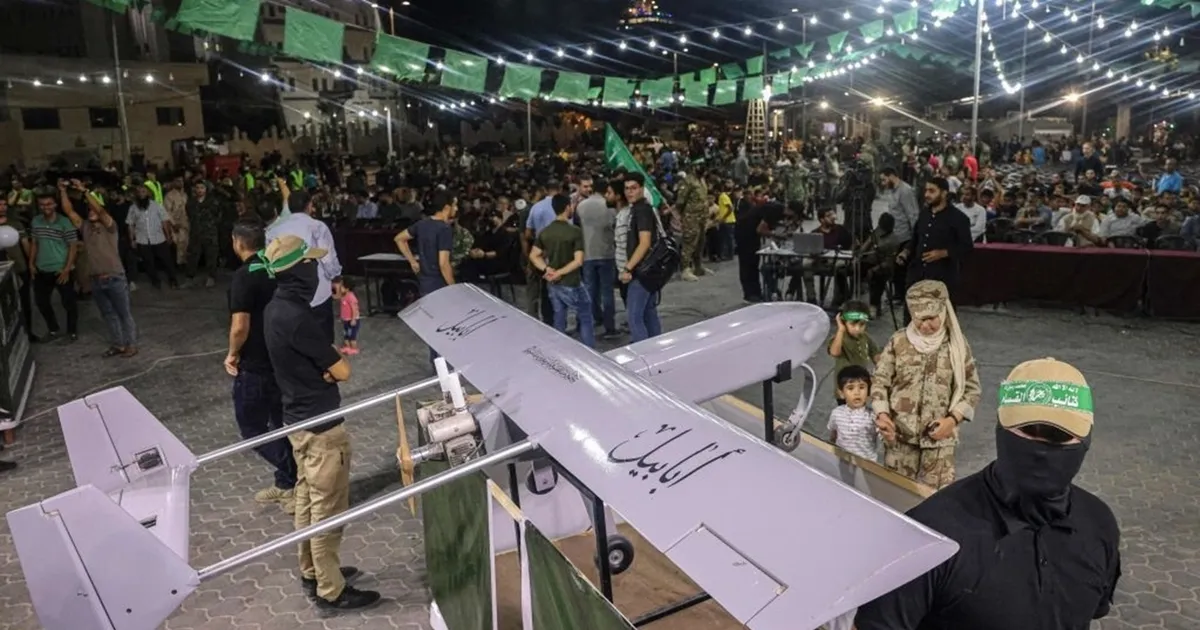
The military developments led to the closure of the Strait of Hormuz, causing severe disruption in global oil supplies, which prompted warnings that Iran is not a weak country that can be easily subdued. Sources quoted a security advisor in Bahrain that 14 Iranian drones successfully targeted the headquarters of the US Fifth Fleet with remarkable success.
The Bahraini security advisor expressed his astonishment at the inability of American defenses to intercept 'Shahed' drones, whose moments of impact with their targets were documented by video clips. These incidents reflect the Iranian regime's ability to inflict painful damage on the American military presence in the region despite the intensity of fire directed against it.
In an extreme speech, Trump called on elements of the Revolutionary Guard and the Iranian armed forces to immediately lay down their weapons in exchange for full immunity. The American president threatened those who refuse to comply with 'certain death,' asserting that the United States supports the Iranian people with overwhelming destructive power to achieve the moment of change.
Despite the writer's hatred for the Iranian regime, he warned against underestimating its ability to survive, recalling his visit to Tehran in 2008 where he noted strict security and administrative discipline. He pointed out that the regime, which spreads chaos abroad, simultaneously possesses precise internal control tools that make its rapid collapse difficult to predict.
The article revealed a division among allies, as Britain refused to use its facilities at Diego Garcia base to support the attack, while anxiety prevailed in the UAE and Saudi Arabia. In contrast, Israel emerged as the sole and enthusiastic supporter of this military operation, while the rest of the allies hope for a quick settlement that avoids a comprehensive regional war.
The greatest concern, according to Ignatius, is that the conflict could lead to the rehabilitation of the hardline current in Iran by granting the Supreme Leader the status of 'martyr.' While the regime was suffering from declining popularity and succession struggles, the American strike might contribute to unifying ranks behind the idea of historical oppression and martyrdom.
Western security sources reported that the strikes targeting Iranian intelligence headquarters led to the killing of four senior leaders, indicating a crack in the repression apparatus. Although this collapse might seem like good news, the writer believes that Iranian culture is capable of absorbing suffering and transforming it into a strong motive for resistance and perseverance.
Ignatius recalled the image of Imam Hussein he saw at the CIA's Iran operations center decades ago, as a symbol of the opponent's strong commitment to the doctrine of sacrifice. He quoted a retired CIA officer on the necessity of formulating a smart post-war strategy, instead of relying on illusions of a short and swift war.
The writer concluded his analysis by emphasizing that Trump bears a special responsibility to explain the dimensions of this conflict to the American people, given the grave and unknown risks involved. The current battle is not just a 'one-time intervention,' but the beginning of a long-term conflict that may be arduous and full of dangerous and unexpected turns.
Starting wars is always easier than ending them, especially when the goal is political, represented by regime change, rather than a clear military objective.



Share your opinion
Ignatius: Is Trump giving the Iranian regime a 'kiss of life' through a martyrdom strategy?