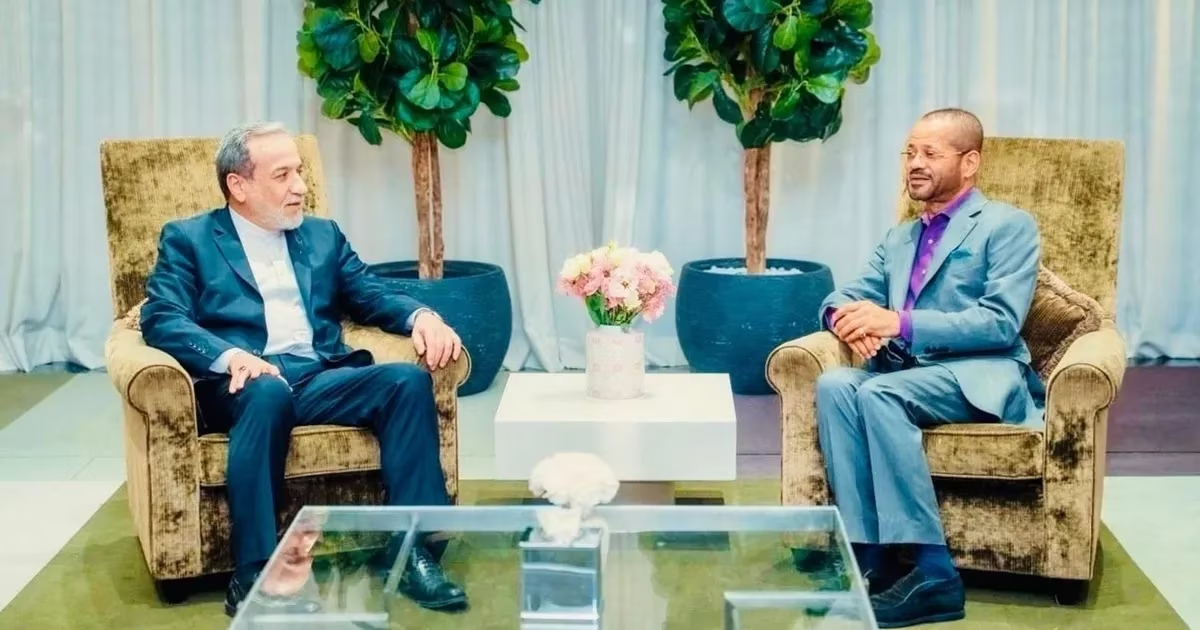







International press reports have revealed a new direction in Iranian diplomacy aimed at presenting wide-ranging economic incentives to the administration of US President Donald Trump. These proposals include opening vital sectors such as oil, gas, mining, and aviation to direct American investments, in an attempt to avoid any potential military action and alleviate the burden of economic sanctions that are crippling the Iranian economy.
Informed sources described this offer as a 'commercial prize' specifically designed to suit President Trump's inclinations, as he places great importance on economic returns and major commercial deals. Through this step, Tehran aims to build common interests that would make it difficult for Washington to proceed with military escalation options, while ensuring the renewed flow of foreign investments.
The leaked information indicates that planners in Tehran are carefully studying the Venezuelan model, where American energy companies were allowed to operate despite diplomatic estrangement and acute political tensions. Iran hopes that this path will lead to the release of tens of billions of dollars frozen in foreign accounts, in exchange for its activities being subject to a strict international monitoring mechanism.
In the context of diplomatic moves, Iranian Foreign Minister Abbas Araghchi announced significant progress in the third round of negotiations concluded in Geneva. Araghchi described these talks as the most focused and in-depth, noting that mutual understandings were reached on fundamental issues including the lifting of sanctions and technical steps related to the nuclear program.
Despite the positive atmosphere described by the Iranian side, other reports indicated the continued existence of fundamental gaps in positions between the two parties. Washington adheres to strict demands including the destruction of fortified nuclear sites and the transfer of the entire enriched uranium stockpile out of Iranian territory, which Tehran has categorically rejected so far.
US envoys, Steve Witkoff and Jared Kushner, informed the Iranian side that any future agreement must be permanent and comprehensive, going beyond the loopholes of the 2015 agreement. The US administration insists on not including 'sunset clauses' that would allow Iran to resume its nuclear activities after a specified period, emphasizing the need for eternal guarantees.
In an attempt to bridge viewpoints, Iran presented technical proposals including reducing uranium enrichment levels from 60% to just 1.5%, or suspending enrichment operations for several years. A proposal also emerged to establish an 'Arab-Iranian consortium' to manage and process nuclear fuel inside Iran to dispel international concerns about the possibilities of nuclear armament.
For its part, the United States still raises the slogan of 'zero enrichment' as a final strategic goal in any negotiations with Tehran, but it has shown slight flexibility behind the scenes. Sources indicate that Washington may allow limited operation of a research reactor in Tehran for the production of medical isotopes, provided that it is under close international supervision to prevent any deviation towards military purposes.
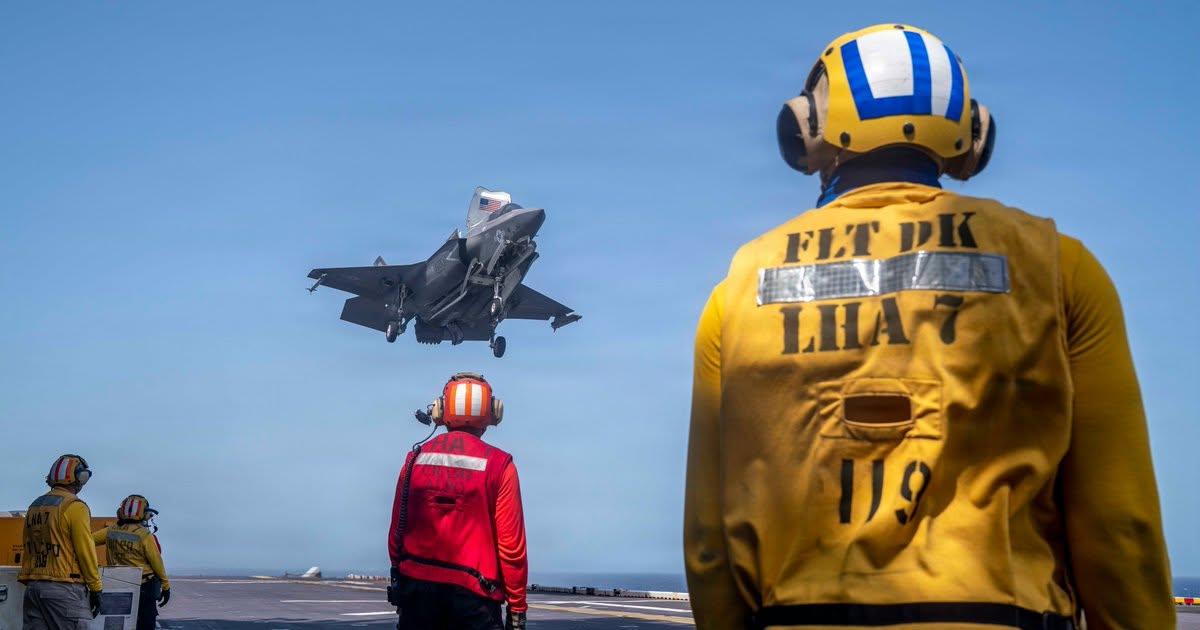
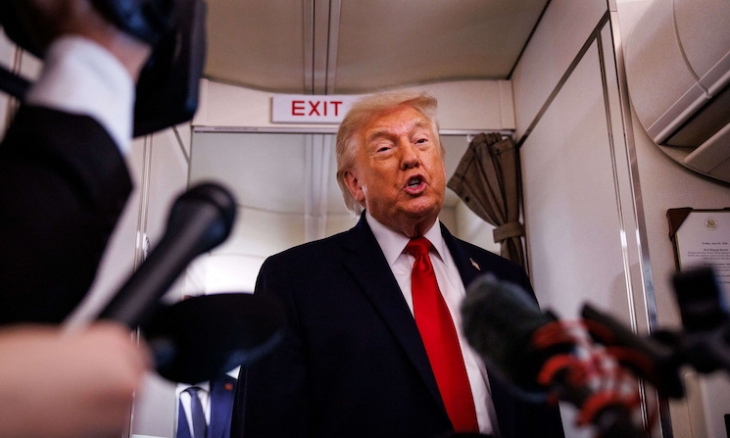
These developments come at a sensitive time, as news circulates about President Trump being briefed on a set of ready military options against Iranian facilities. The Iranian bet remains on the extent to which 'economic diplomacy' can convince the White House to replace the language of threat with the language of mutually beneficial commercial deals.
The Iranian strategy is based on offering a 'commercial prize' to American interests in the oil, gas, and mineral sectors in exchange for security and economic guarantees.
Share your opinion
Iran offers 'commercial incentives' to Washington to avoid military confrontation and ease sanctions