






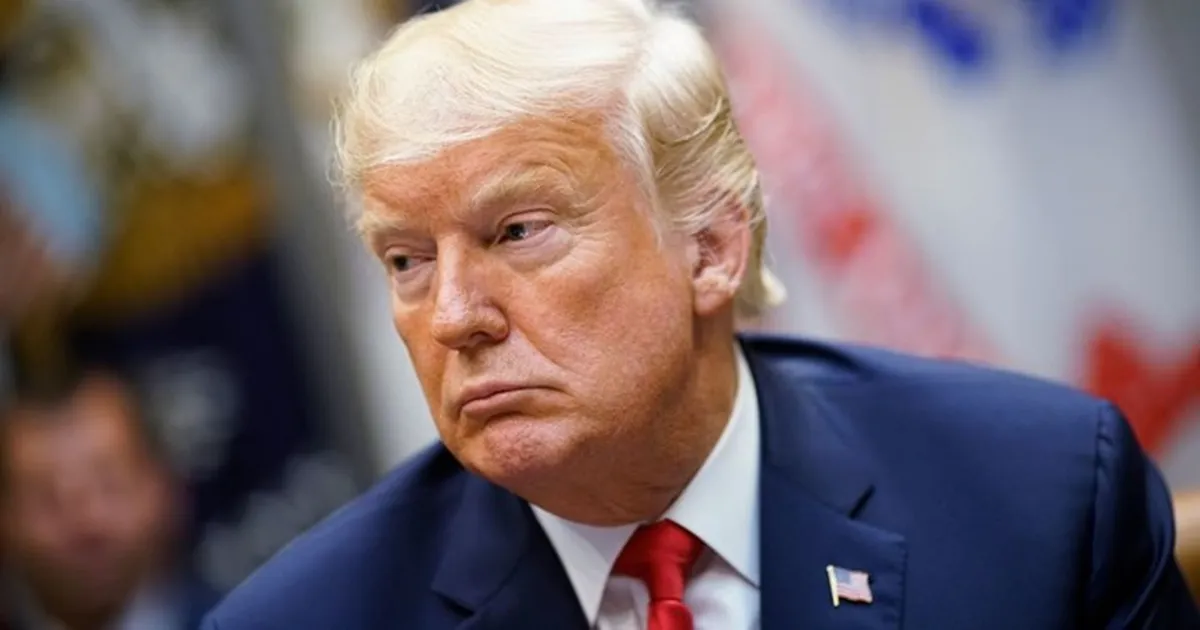
US President Donald Trump delivered his annual State of the Union address before a joint session of Congress, an occasion dominated by self-aggrandizement and a display of what he described as major achievements. The speech was not without a sharp tone towards political opponents, both domestic and foreign, creating an atmosphere of charged tension within the hall, which witnessed condemning banners and protest chants.
Trump's speech lasted for one hour and 48 minutes, making it the longest presidential address to Congress in at least six decades. According to data from the American Presidency Project at the University of California, Trump surpassed his own previous record set last March, and also broke former President Bill Clinton's record from 2000.
The session witnessed a direct confrontation when Democratic Representatives Ilhan Omar and Rashida Tlaib interrupted the President's discussion on immigration. Trump responded by demanding that they be ashamed for not standing in respect for the speech, but the response came quickly from Ilhan Omar, who accused him of killing Americans and demanded that he be ashamed of his policies.
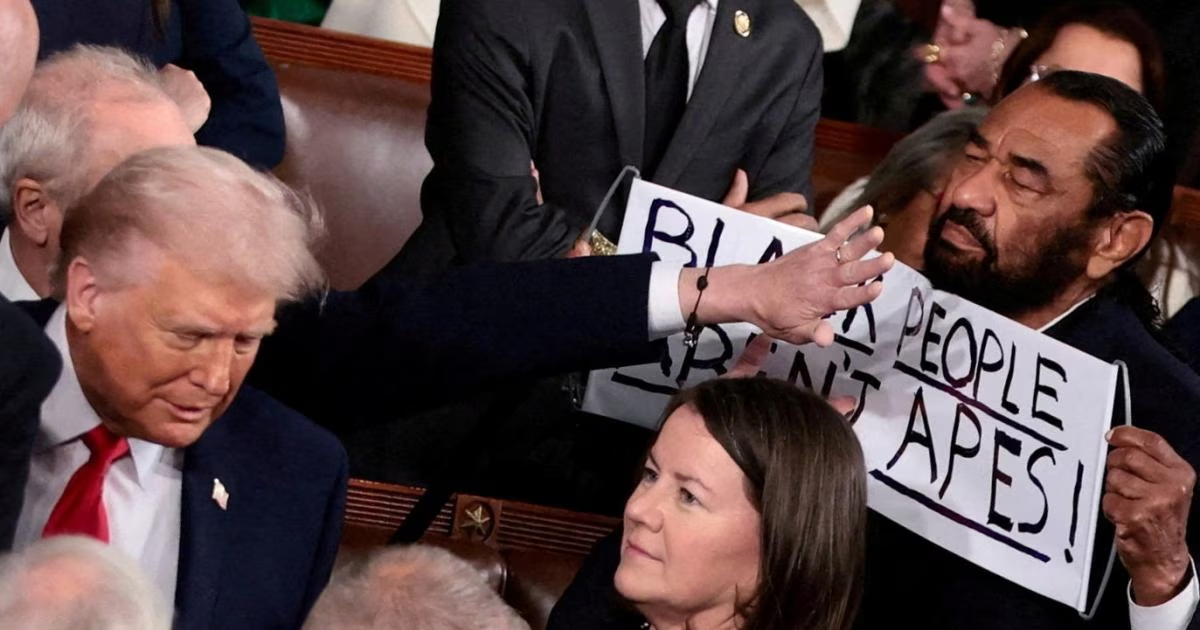
The tension escalated with the forceful removal of Democratic Representative Al Green from the chamber after he held up a sign that read 'Blacks are not monkeys'. This protest was in response to a video previously posted by Trump that depicted Barack and Michelle Obama in an offensive manner, prompting immediate intervention by Capitol security amidst mixed chants from the audience.
Trump did not hesitate to describe his Democratic Party opponents as 'crazy', sharply criticizing their refusal to stand or applaud during sections of his lengthy speech. The President considered this behavior to reflect a state of deep division, while he continued to present his political agenda amidst repeated interruptions from the opposition.
On the other side of the scene, press cameras and social media captured instances of drowsiness among members of Congress due to the length of the speech. Democratic Representative Tom Suozzi posted a photo of himself sleeping, sarcastically commenting on the difficulty of staying awake during long speeches that resemble boring reruns.
Georgia Representative David Scott also appeared in videos struggling to stay awake, with his eyes closed for brief periods before reawakening. These shots reflect the state of exhaustion that prevailed in the hall as a result of the speech lasting nearly two hours, interspersed with long pauses for applause and ceremonial protocols.
The speech included a tribute segment during which Trump hosted the American hockey team that won the Olympic gold medal, announcing that he would award them the Medal of Freedom. The President used this gesture to reinforce messages of American success and excellence that he sought to instill throughout his address to lawmakers and the American people.
Sources reported that the atmosphere inside the Capitol was the most divided in years, with a wide gap apparent between applauding Republicans and protesting Democrats. The protest was not limited to words, but also included symbolic gestures and a complete refusal to participate in the usual traditions of such national occasions.
Observers believe that Trump's deliberate prolongation of the speech aimed to dominate the media landscape for as long as possible, despite the restlessness it caused. Subsequent analyses focused on the fact that the speech did not offer new political initiatives as much as it was a platform to attack opponents and rally popular bases.
Trump concluded his speech amidst a mix of sharp applause from his supporters and boos from his opponents, leaving behind a wide debate about the language of the speech. This incident confirms that the state of political polarization in the United States has reached its peak, manifested in direct verbal altercations under the dome of Parliament.
You killed Americans, you should be ashamed.

Share your opinion
Trump's State of the Union: Historically Long and Heated Confrontations Under the Capitol Dome