







Tony Blair, a member of the executive board of what is known as the 'Peace Council', revealed the outlines of an international plan aimed at reshaping the security and political reality in the Gaza Strip. Blair explained that the success of any future vision for reconstruction is fundamentally based on dismantling the military capabilities of Palestinian factions and ensuring the transfer of governing authority to a technocratic committee that manages civil affairs.
Blair stressed in statements to the media during the Washington summit that the top priority at the current stage is the complete disarmament of the Hamas movement. He considered this step to be the only guarantee to enable the proposed technocratic committee to carry out its administrative tasks without military obstacles or field interventions.
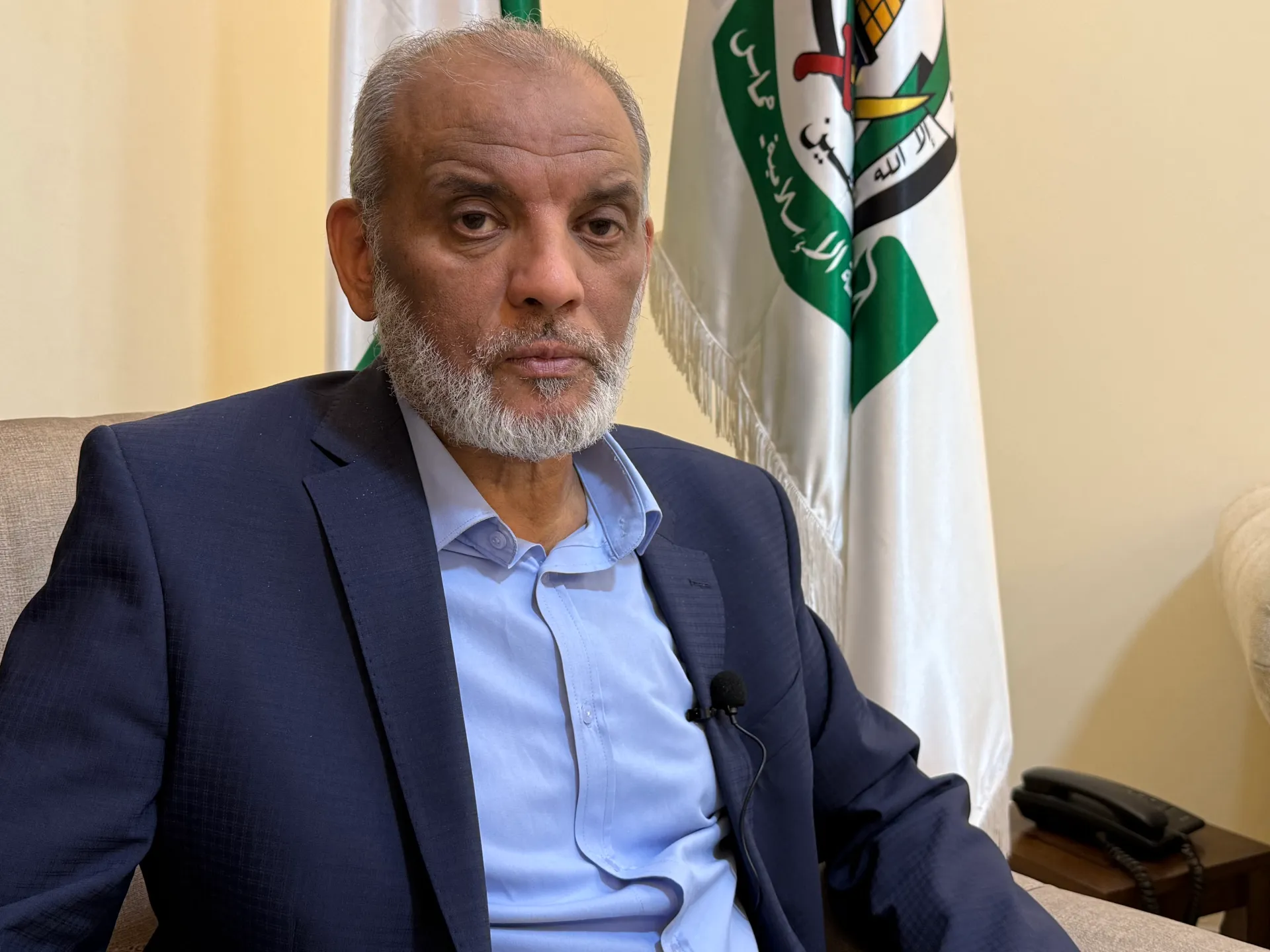
In contrast, the Hamas movement's response was firm in rejecting any plans that overstep national rights, as the movement affirmed that any political path must begin with a comprehensive cessation of Israeli aggression. The movement also demanded the lifting of the unjust siege on the Strip and ensuring the legitimate rights of the Palestinian people as a fundamental condition for any future arrangements.
Blair indicated that the plan enjoys direct support from US President Donald Trump, whom he described as fully committed to Israel's security while seeking to improve the living conditions of Palestinians. The former British official's statements did not address the necessity of stopping Israeli military operations or obliging the occupation government to a timeline for withdrawal.
The meeting revealed the committee's orientations, which appear to be consistent with Israeli security requirements in the first place, as the focus is on administrative and security arrangements, regardless of the ongoing humanitarian tragedy. Observers believe that this vision ignores the extent of the destruction and the victims who have fallen since the aggression began on October 7, 2023.
Regarding international participation, Blair announced that five 'moderate' Islamic countries have agreed to send personnel to participate in the 'International Stabilization Force'. This force will undertake internal security tasks in the Strip in coordination with the international and regional bodies overseeing the plan.
Regarding the financial aspect, Blair revealed massive pledges from Saudi Arabia and the United Arab Emirates amounting to $7 billion. These funds will be allocated to finance massive reconstruction operations and support the institutional capacity building of the new civil police in Gaza.
Blair explained that Israel will have a pivotal role in security oversight, as it will inspect and review the elements of the new police force to ensure what he described as 'proper governance'. This measure aims to reassure the Israeli side about the identity and orientations of the individuals who will take over the security file in the Strip.
Despite the optimistic tone Blair displayed, he acknowledged the existence of ongoing complexities that may hinder immediate implementation, particularly regarding potential contributions from countries such as Turkey. He noted that some international parties might raise concerns for Israel, requiring careful and precise coordination to overcome these diplomatic obstacles.
Blair affirmed that the 'Peace Council' initiative does not seek to undermine the role of the United Nations or replace it in the Palestinian territories, but rather aims to complement existing international resolutions. Through this approach, the Council seeks to create a broad international alliance that provides the necessary political and financial cover for implementing the new arrangements.
Regarding the Council's structure, Blair explained that there is increasing international momentum for participation, with most participating countries providing diverse contributions including funding, troops, or technical support. He considered that the door is still open for other countries to join this alliance aimed at changing the face of the region.
It is worth noting that Tony Blair was a candidate to assume the position of the Council's executive official, but he was replaced by the Bulgarian politician Nikolay Mladenov, the former coordinator of the peace process. Nevertheless, Blair continues to play a central role in promoting the plan and mobilizing international support for it through his extensive connections.
Blair admitted that there are parliamentary and constitutional challenges in some countries that may delay their official involvement in the proposed international force, but he stressed that the summit achieved its primary goal. He believes that the combination of American leadership and strategic planning provides a realistic path towards what he described as 'a more stable and secure Gaza'.
The Washington summit, chaired by Trump, witnessed a noticeable absence of influential European powers, while attendance focused on specific Arab and Islamic countries. This formation reflects the US administration's desire to build a new regional alliance that will take responsibility for the Palestinian file according to a vision consistent with common security interests.
The most important thing now is the disarmament of Hamas and ensuring the new technocratic committee's ability to govern with its powers.
Share your opinion
Blair reveals features of 'Peace Council' plan for Gaza: Disarmament and a technocratic committee to manage the Strip