







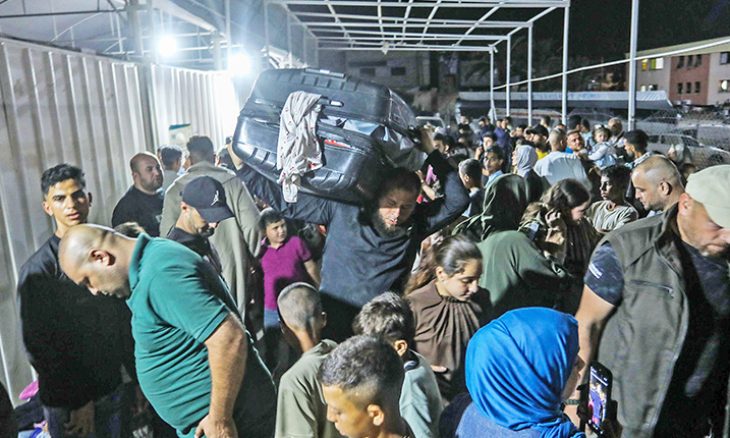
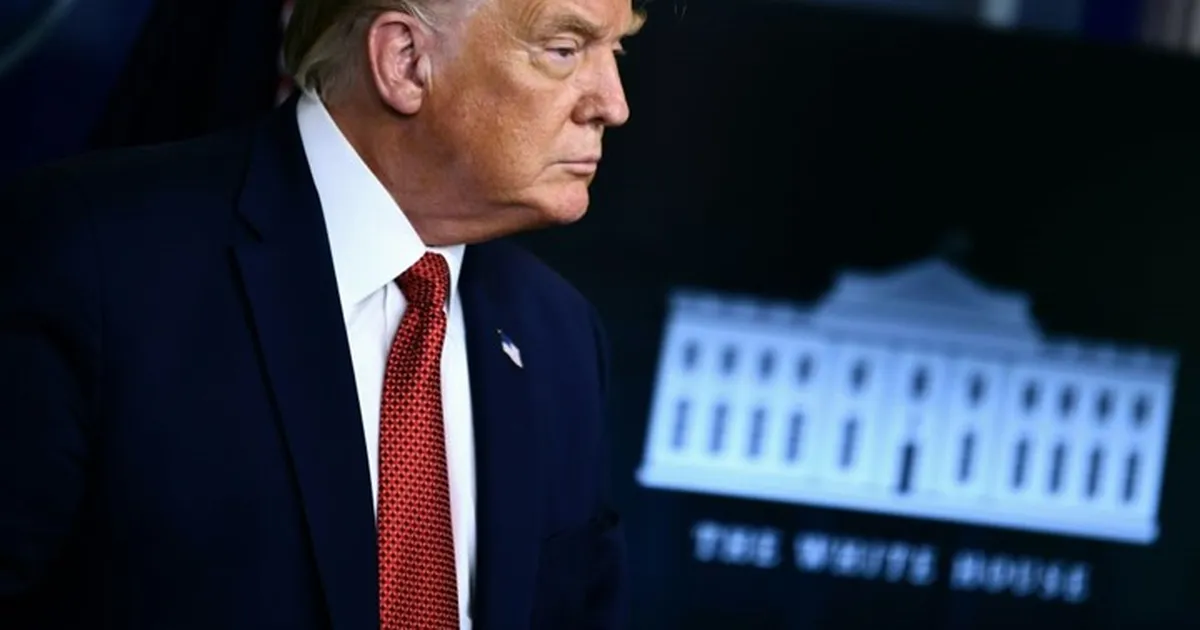
The eyes of Gaza Strip residents are turned today, Thursday, to the American capital, Washington, where Donald Trump is presiding over the first meeting of the international 'Peace Council'. This political move comes at a time when Palestinians are suffering from a severe deterioration in living conditions with the arrival of the month of Ramadan, amidst increasing complaints about the slow arrival of humanitarian aid and essential shelter supplies.
The Gazan street is experiencing a state of division between cautious optimism and pessimism resulting from previous experiences, as some see this council as an opportunity to impose international pressure on the occupation. Popular demands focus on the necessity of obliging the Israeli government to implement the entitlements of the second phase of the ceasefire agreement, which was reached on October 10th.
The issue of withdrawal from the 'Yellow Line' is the most urgent demand for Palestinians, as this line consumes about 60% of the Strip's area and prevents hundreds of thousands from returning to their homes. Displaced people in refugee tents in the town of Al-Zawaida and central areas hope that the Washington meeting will result in decisive decisions that end the Israeli military presence in the northern areas of the Strip and the Jabalia camp.
In field testimonies, citizen Karim Hamdan expresses his hope that the council will succeed in providing alternative residential 'caravans' for the dilapidated tents in which millions of displaced people live. Hamdan points to the suffering of travelers and injured people receiving treatment abroad, emphasizing the need to facilitate traffic through the crossings without security or political obstacles.
Structurally, the Peace Council was established in mid-January based on Trump's plan adopted by the UN Security Council in Resolution No. 2803. The Council is supposed to take full oversight of the reconstruction budget and manage the transitional phase, including the deployment of an international stabilization force to ensure adherence to the ceasefire.
On the ground, young people in Gaza City neighborhoods, such as Sheikh Radwan, observe the rubble of their homes that has not been moved for months, amidst ongoing Israeli military movements. Citizens complain about the indiscriminate firing that accompanies the occupation's vehicles in the eastern areas, which hinders any individual attempts to live on the ruins or begin simple restoration.
Reports indicate that the Israeli occupation has not adhered to about 80% of the provisions of the first phase of the agreement, and continues to prevent members of the National Committee for the Administration of the Strip from carrying out their duties. This intransigence further complicates the scene for the Peace Council, which includes 27 members, and lacks direct Palestinian representation or the presence of major powers such as Russia and China.
Political analysts believe that the success of the Council depends on its ability to provide the financial support promised by Trump, estimated at $5 billion as a first installment for the reconstruction fund. It also requires activating urgent recovery programs to remove millions of tons of rubble and rehabilitate the dilapidated infrastructure destroyed by two continuous years of war.
Behind the scenes of the meeting, thorny issues emerge related to the disarmament of Palestinian factions and securing natural resources off the coast of Gaza, files that raise fears of the council turning into a political tool. Nevertheless, the urgent humanitarian need to provide security and food remains the primary driver of the hopes of citizens who follow Washington news through local radio stations.
In conclusion, the Palestinian street demands the necessity of real international oversight that curbs repeated Israeli aggressions and ensures the sustainable flow of goods and aid through the crossings. The question remains in the destroyed alleys of Gaza: Will the Peace Council succeed where traditional diplomacy has failed, or will it remain just another link in the chain of international promises?
I don't know what the Peace Council will offer us after I lost my home, but I hope we can live without aggressions and be allowed to return to our homes.

Share your opinion
Between Reconstruction Hopes and Procrastination Fears: What Do Gaza Residents Expect from the 'Peace Council' Meeting in Washington?