







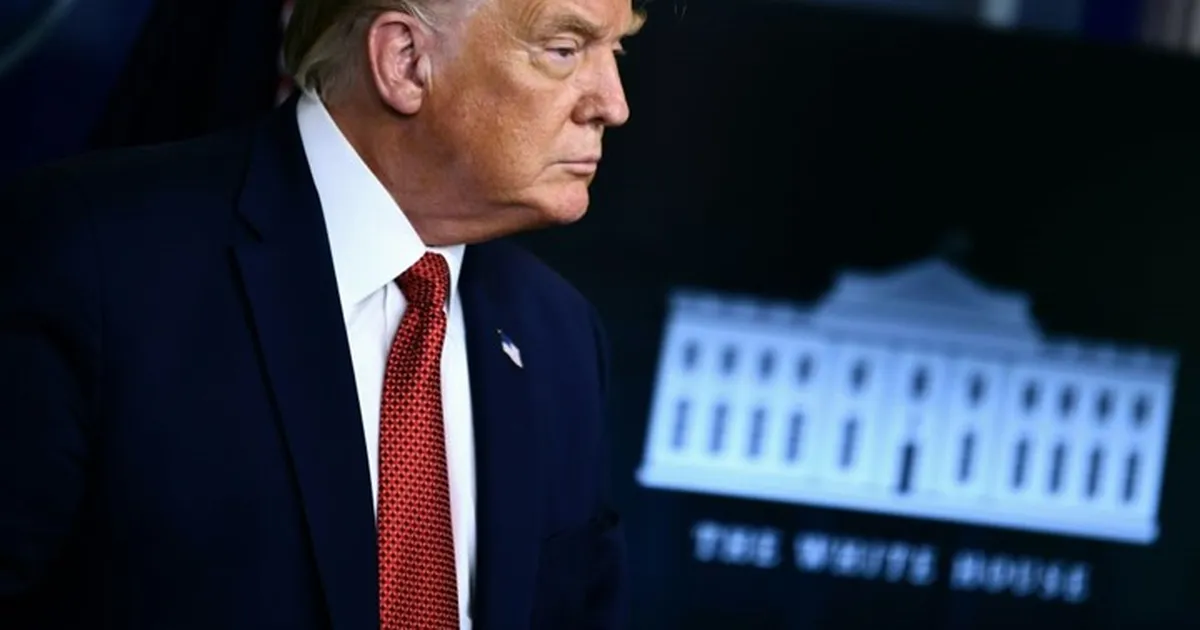
International press sources have revealed tendencies within the administration of US President Donald Trump to rely on organized crime gangs and drug smuggling networks to form the nucleus of new police forces in the Gaza Strip. These plans come amidst American efforts to find a security alternative to the Hamas movement, with warnings from military leaders and Western allies about the danger of this step and its repercussions on stability.
Reports indicate that Israel directly supports these proposals, having already armed and supported some factions and armed militias since the outbreak of confrontations in October 2023. These groups are formed based on family and tribal ties, but their long record of organized crime raises deep concerns among Palestinian civilians who do not trust these formations.
Field reports have documented these militias' involvement in widespread looting of humanitarian aid trucks in recent months, in addition to committing murders and kidnappings. What adds to the gravity of the scene is the presence of elements within these groups who previously declared their allegiance to the Islamic State organization or fought in its ranks in neighboring conflict zones.
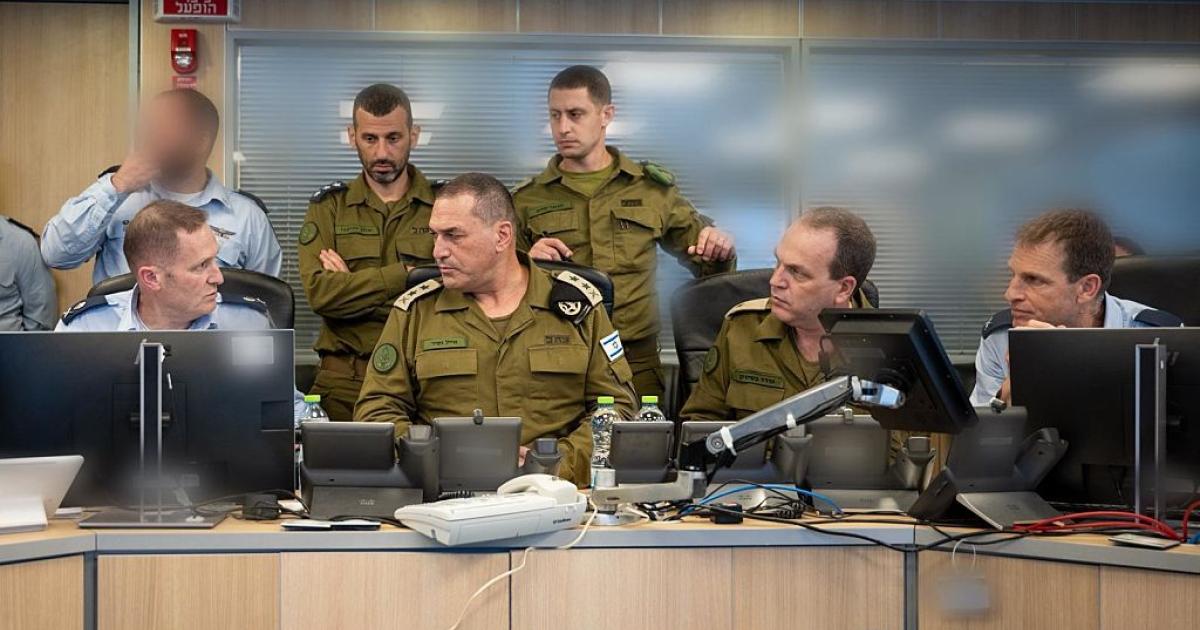
Senior military leaders in the United States, along with officials from Britain and France, have expressed grave concern about the proposed peace plan faltering due to the absence of reliable security partners on the ground. They believe that relying on criminal elements will lead to the collapse of any attempt to establish stability, and will turn the Strip into an arena of permanent chaos under the supervision of illegitimate forces.
In a related context, Jared Kushner, President Trump's son-in-law, emerged as a pivotal figure in drafting the 20-point peace plan, which includes the establishment of temporary residential clusters called 'safe zones'. This plan aims to isolate Palestinian residents in areas controlled by the Israeli army and its loyal militias, away from the influence of resisting Palestinian factions.
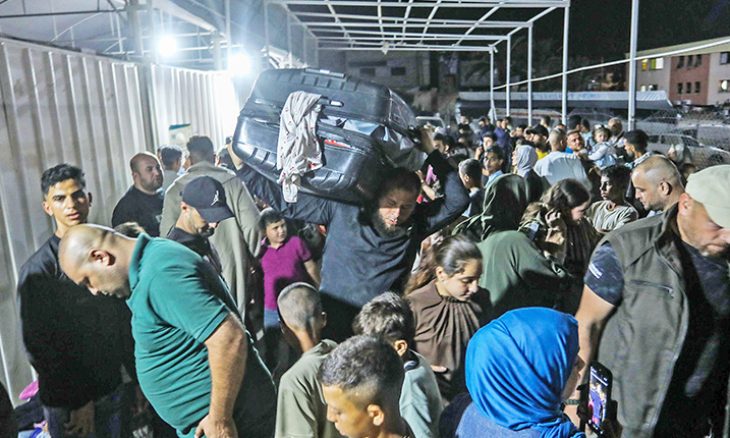
The first of these residential clusters is currently being built on the ruins of the former city of Rafah, an area under the influence of the Israeli-backed 'Popular Forces' militia. This group faces explicit accusations of drug smuggling and control over vital resources, which puts residents before difficult choices between displacement or submission to gang authority.
Kushner is working in coordination with Aryeh Lightstone, an official at the Abraham Accords Institute, who is managing the planning for Gaza's future from a Tel Aviv hotel. Billionaire investors aspiring to invest in the sector after the war are participating in these discussions, which has led some sources to describe this group as the 'Hilton Club' that adopts an ideological vision far from the reality on the ground.
Western officials question the feasibility of this approach, asserting that attempting to impose unpopular family militias will not succeed in gaining the trust of the Palestinian street. Observers believe that residents view these groups as tools in the hands of the occupation, and that attempting to replace an existing authority with criminal gangs will lead to a renewed and more violent explosion of the situation.
Concerns are growing that the US administration will use the residents' rejection of these militias as a pretext for continued military operations, under the guise of 'cleansing' areas of those sympathetic to the resistance. This approach could give Israel a permanent green light to reignite the war at any time, under the pretext of the Palestinians' failure to seize the opportunity for 'liberation' offered by the American plan.
Despite the ambiguity surrounding the names of the militias nominated to carry out security tasks, the White House has not denied these reports. Names such as 'Dughmush family' and 'Jaysh al-Islam' emerge as parties suspected of links to extremist organizations and previous international kidnapping operations, which raises major question marks about the security standards applied in vetting.
In the search for field leaders, political circles circulated the name of Jamal Abu Hassan, the former security official in the Palestinian Authority, to lead the new police force. Figures such as Hussam Al-Astal also appeared, who explicitly announced his coordination with the Israeli side and his readiness to participate in the administration of Gaza in the post-war phase, based on his previous security background.
The US administration is currently trying to rally international support to fund these forces, with Trump announcing pledges of $5 billion for reconstruction and the formation of an international stabilization force. This international force is supposed to operate under the umbrella of the United Nations to coordinate with the Israeli army, while local militias take on repressive and security tasks within residential neighborhoods.
However, reality indicates that these plans face significant financial and legal obstacles, as well as widespread popular and political rejection. The international community fears that funding militias involved in crimes will lead to international legal prosecutions, especially with the documentation of these groups' violations against unarmed civilians during the current war.
In conclusion, it seems that Gaza's security future is teetering between the hammer of occupation and the anvil of armed gangs that Washington seeks to legitimize. With no horizon for a comprehensive national political solution that includes all Palestinian components, these proposals remain mere attempts to impose a fragile security reality based on 'the power of arms and crime' instead of legitimacy and law.
A number of senior American military leaders have expressed concern that the peace process proposed by Donald Trump will not succeed without reliable security partners.


Share your opinion
American plan to recruit 'criminal gangs' and armed militias to manage security in Gaza