







Today, the West Bank is going through one of its most dangerous historical phases since its occupation in 1967, as systematic Israeli policies to reshape its geography and demography are accelerating. Benjamin Netanyahu's government, supported by the far-right current, seeks to impose a new reality on the ground aimed primarily at erasing any future prospect for the establishment of an independent and geographically contiguous Palestinian state.
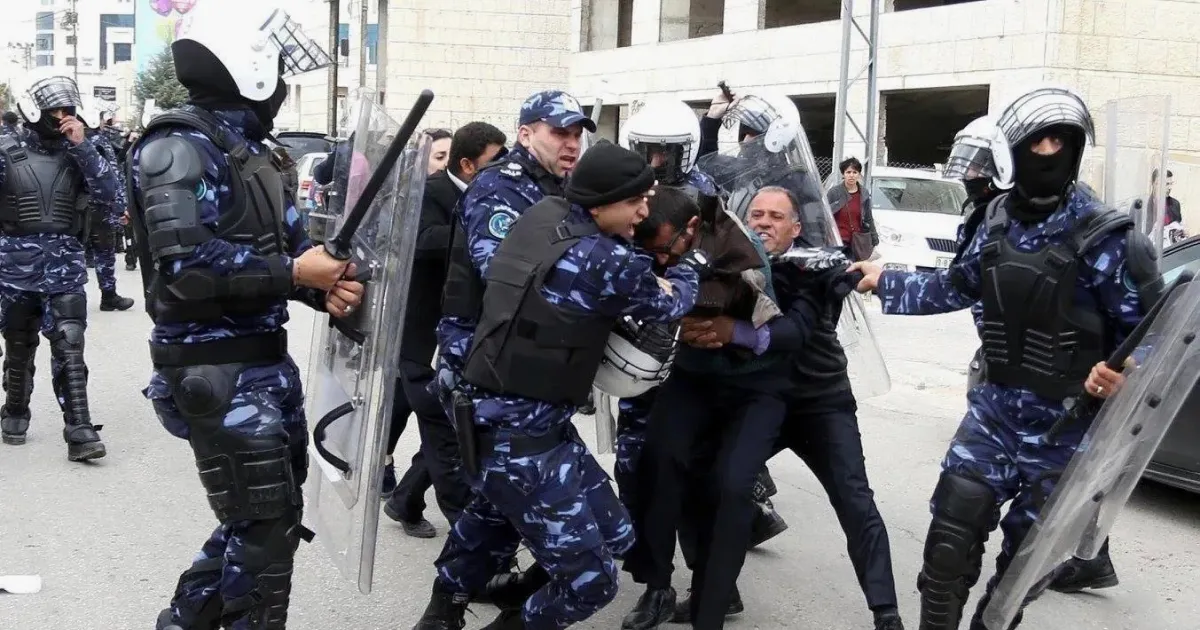
These policies take multiple forms, starting from intensive military operations in refugee camps in the northern West Bank, specifically in Jenin and Tulkarm, to tightening the siege through thousands of checkpoints and iron gates. These measures work to transform Palestinian cities and villages into isolated enclaves, while settlements expand and random outposts are legalized to become an integral part of the region's fabric.
The occupation authorities use security cover as a pretext to achieve strategic goals that go beyond confronting armed resistance, as military operations aim to divide the West Bank into local administrative squares. This approach seeks to re-impose military rule in a disguised manner, reducing the powers of the Palestinian Authority and transforming it into symbolic roles lacking any real political or sovereign content.
Refugee camps are witnessing dangerous structural transformations, as Israel attempts to deal with them as ordinary residential neighborhoods affiliated with the surrounding Palestinian municipalities. This step aims to strip the camps of their political and legal status as symbols of the right of return, transforming the refugee issue from an international political file into merely a matter of services and simple local administration.
This targeting coincides with a deliberate and systematic marginalization of the role of the United Nations Relief and Works Agency for Palestine Refugees (UNRWA) within the West Bank and Jerusalem. Through these pressures, Israel seeks to remove the camps from their international legal framework, paving the way for imposing direct Israeli administrative sovereignty over them under various organizational designations.
Regarding laws, the current government, led by the Religious Zionism party, is working to entrench what is known as 'creeping annexation' through unprecedented administrative and legal measures. These steps included appointing an additional minister in the Ministry of Defense to handle settler affairs, and transferring building permit issuance powers directly from the army to the civil administration to facilitate settlement expansion.
Israeli Finance Minister Bezalel Smotrich affirmed in his statements that the West Bank is an integral part of the 'Land of Israel,' emphasizing efforts to thwart any attempt to establish a Palestinian state. This vision aims to equalize settlers' rights with those of Israeli citizens within Israel, while keeping Palestinians under a complex and unequal security control system.
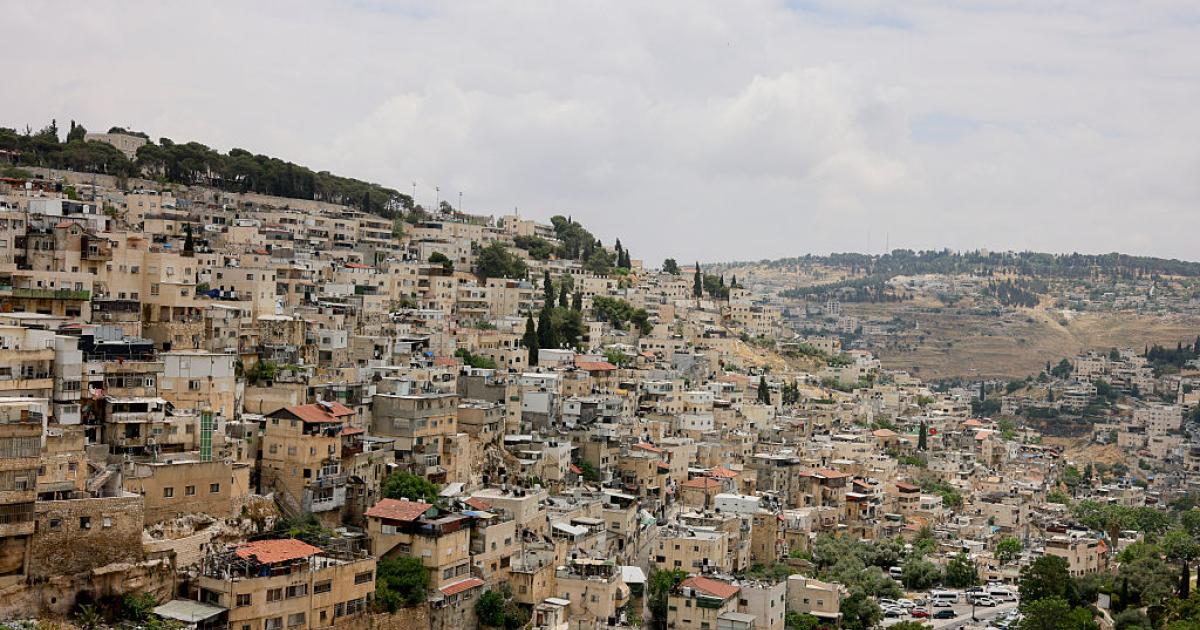
Informed sources reported that the occupation intensified its efforts in occupied Jerusalem in parallel with the ongoing aggression on the Gaza Strip, where Judaization operations were accelerated unprecedentedly. According to researchers, the 'Shield of Jerusalem' campaigns launched at the end of 2025 led to the demolition of dozens of Palestinian properties in record time, reflecting a desire to resolve the conflict demographically.
Israeli scenarios for the future of the region range between three basic options, the first of which is the annexation of the Jordan Valley, which represents about 22% of the West Bank's area. This plan ensures control over the eastern borders and the mountain slopes overlooking them, while minimizing the Palestinian population presence in those strategic areas.
The second scenario is the implementation of the 'Trump Plan,' which stipulates the annexation of about 30% of the West Bank's area, including major settlement blocs and 17 isolated settlements. This plan relies on connecting these settlements with a sophisticated road network that ensures Israeli geographical superiority and creates a reality that will be difficult to reverse in any future negotiations.
The third option proposed is limited annexation targeting 10% of the area, focusing on settlement blocs close to the Green Line to ensure the lowest number of Palestinian residents within the annexation borders. Despite the variation in these scenarios, they all share the goal of reducing the area of the future Palestinian state and transforming it into scattered entities.
Ultimately, the facts on the ground indicate that the West Bank is gradually transforming into a system resembling apartheid, where Palestinian communities are surrounded by electronic gates. With the continued amendment of land registries and the facilitation of property purchases for settlers, it appears that the occupation is racing against time to impose a final reality that makes the two-state solution merely an inapplicable historical memory.
The ultimate goal of the occupation is to transfer the Jewish population weight from the coast to the Palestinian interior, so that cities like Hebron and Nablus become a model for reshaping the demographic composition.
Share your opinion
Israeli Annexation Plans: How Is the Future of the West Bank Being Reshaped?