







The decision approved by the occupation's mini-cabinet (the Cabinet) on February 8, 2026, constituted a strategic shift that goes beyond routine administrative procedures. This decision represents an explicit political and legal declaration of the end of the transitional phase that began in the 1990s, ushering in a phase of absolute sovereignty of the occupation over all West Bank territories.
Under these new amendments, settlers were given the green light to own land and properties deep within Palestinian communities classified under Areas (A) and (B). The decision also authorized occupation authorities to directly enforce law in these areas, removing the legal barriers that separated military occupation from civil sovereignty.
These steps are part of a systematic strategy to dismantle the political structure of the Palestinian National Authority, a pace that has sharply accelerated since the events of October 7, 2023. The far-right government has exploited the current circumstances to implement the largest demographic and geographic change operation in the West Bank since 1967.
Figures released by international and Palestinian sources indicate the scale of the catastrophe; in 2024 alone, occupation authorities confiscated more than 24,000 dunams (reaching 46,000 according to local sources). These areas were declared 'state lands,' an unprecedented figure equivalent to half of what was confiscated over the past three decades.
Land grabbing operations focused on strategic areas such as the Jordan Valley and the southern Hebron Hills, with the aim of definitively severing Palestinian geographical contiguity. This behavior was not random but aimed at isolating Palestinian population centers and turning them into human enclaves choked by settlements.
Regarding settlement construction, 2023 saw the approval of plans to build more than 12,000 new units, the highest number since 2012. This was accompanied by the advancement of thousands of additional units in the following year, reflecting the occupation's desire to impose facts on the ground that would be difficult to reverse in any future settlement.
The 'legalization' of settlement outposts, previously described as illegal, is one of the most dangerous features of the current phase. Approximately 70 pastoral and agricultural outposts have been recognized, with direct government funding provided to connect them to infrastructure, turning them into strongholds for launching attacks on neighboring villages.
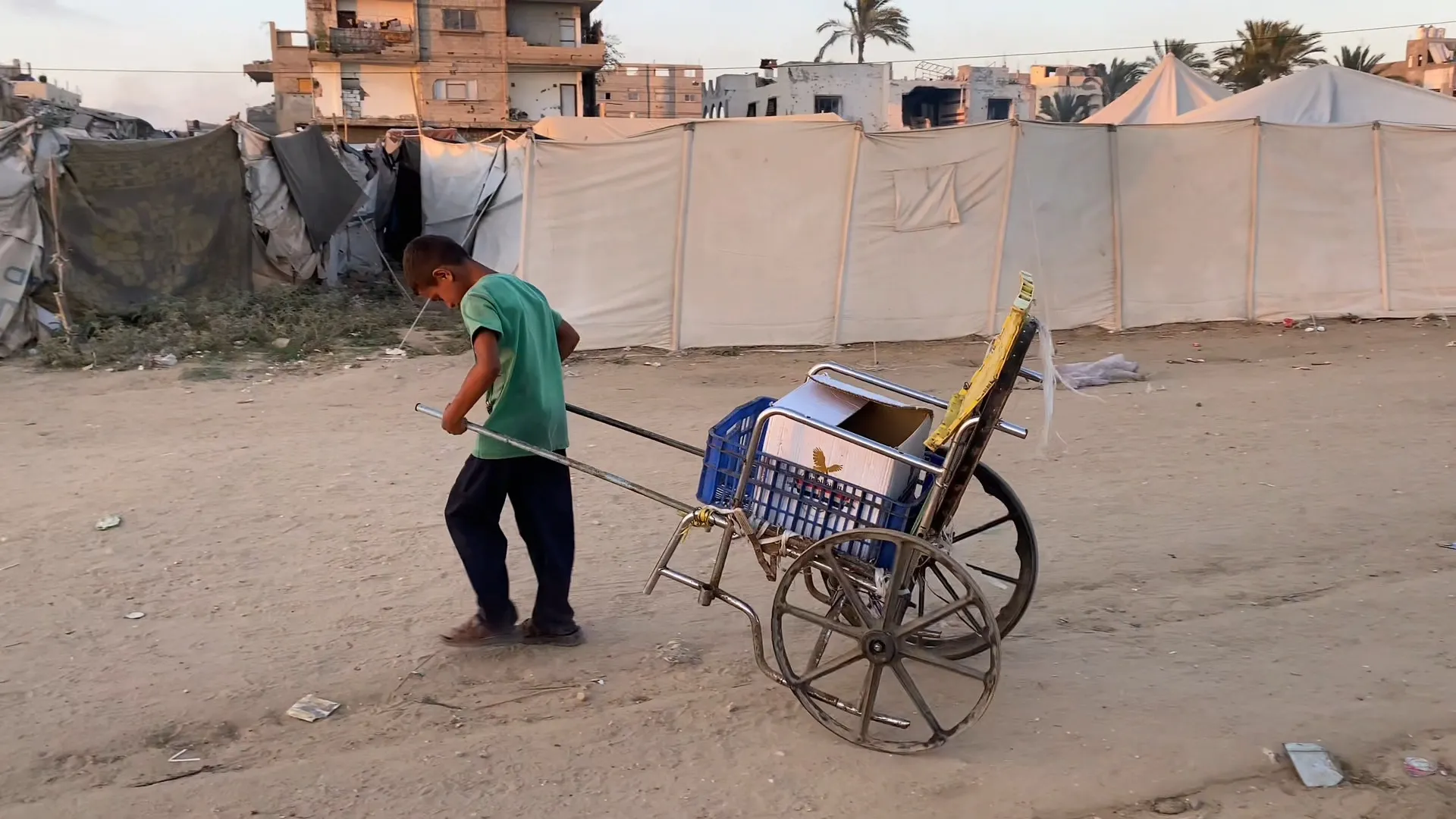
International human rights organizations have documented the forced displacement of more than 47 Bedouin and pastoral Palestinian communities, particularly in Masafer Yatta and the Jordan Valley. These operations occur under the weight of organized terror perpetrated by settlers with direct protection from the occupation army, with attacks exceeding 1,400 violent incidents in one year.
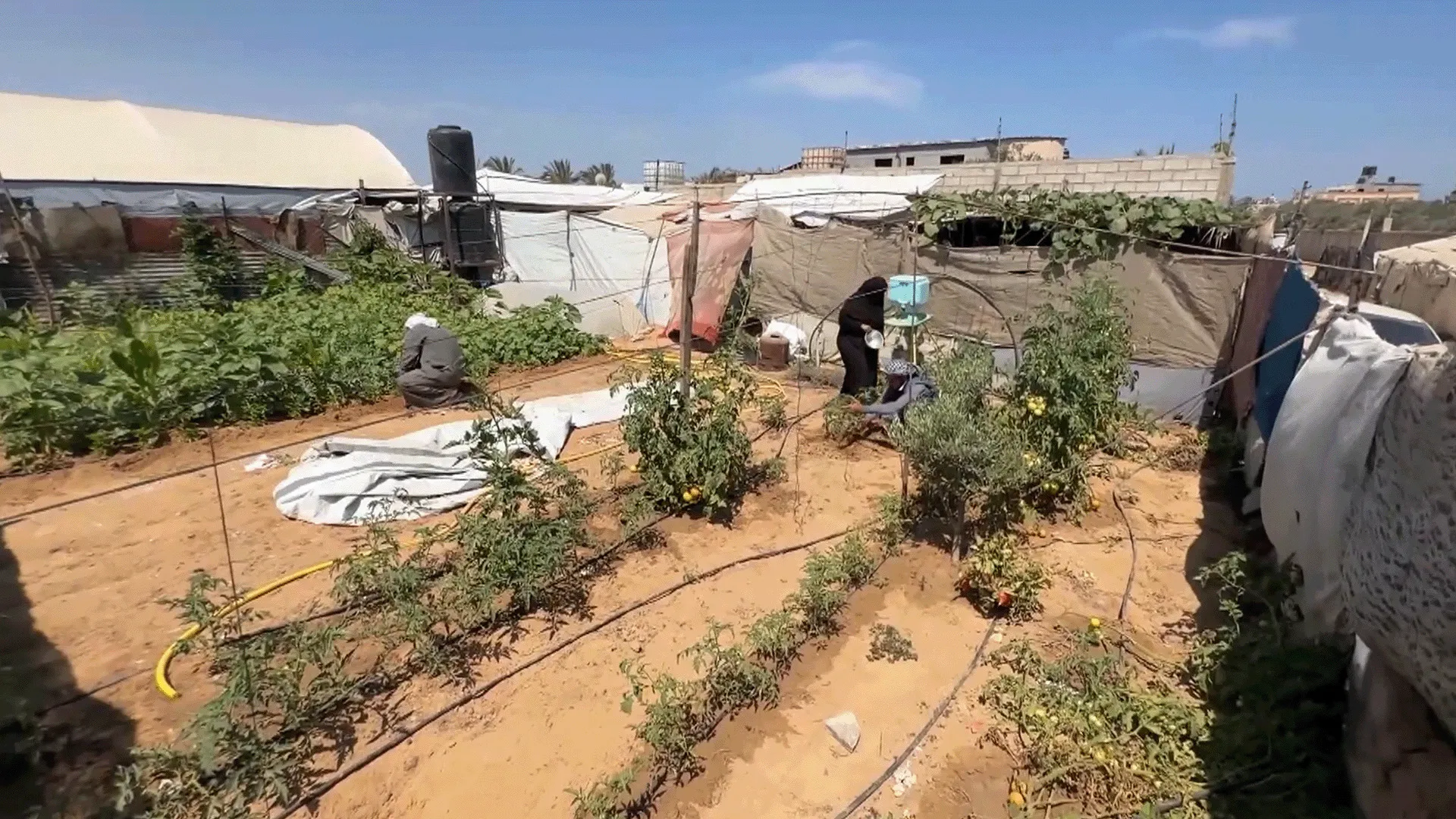
The scorched-earth policy pursued by the occupation includes burning crops, poisoning wells, and preventing herders from accessing their lands. These practices aim to make Palestinian life unbearable, pushing them to forced displacement without the need for direct military expulsion operations.
By abrogating Jordanian laws that protected private property, the occupation opens the door to fragmenting the Palestinian social fabric from within. The planting of settlement outposts in major urban centers makes the idea of a geographically contiguous state a distant political fantasy.
In practice, the Palestinian Authority has transformed from a 'state nucleus' project into a service agency stripped of sovereign powers. With the transfer of civil administration powers to a civilian minister, the transition from temporary military occupation to permanent civil annexation, serving the biblical vision of the ruling right, has been confirmed.
In contrast, the official Palestinian political scene shows a state of helplessness and reliance on traditional condemnations and denunciations. This contradiction between the accelerating reality of annexation and the Authority's behavior, clinging to one-sided agreements, places the Palestinian cause before an unprecedented historical and existential dilemma.
Today, it is essential to conduct a comprehensive review of the political doctrine that governed the past phase and to disengage from the commitments of Oslo. Confronting displacement policies requires rebuilding the internal house on militant foundations that unite the various components of the Palestinian people in facing the existential conflict.
In conclusion, this escalation places the official Arab system before its historical responsibilities, as soft diplomacy is no longer effective. Betting on de-escalation has proven futile in the face of an entity that proceeds with its settlement project, disregarding international laws, which necessitates activating real pressure levers to stop this bleeding.
We are at the moment of the clinical death of the Oslo process, where the occupying state has moved from maneuvering with a temporary status to the final consolidation of de facto annexation.


Share your opinion
The End of Oslo Illusions: Cabinet Decision Solidifies De Facto Annexation of the West Bank