







Diplomatic sources and informed officials have revealed details of a draft new US plan concerning the future of the Gaza Strip, primarily aimed at disarming the Hamas movement of its military arsenal. These efforts are led by a high-level group including Jared Kushner, President Donald Trump's son-in-law, and special envoy Steve Witkoff, in cooperation with former UN official Nikolay Mladenov, with the document expected to be officially presented in the coming weeks.
The current draft proposes a formula that allows Hamas to retain some light weapons in the initial stages of implementation, but it stipulates the surrender of all heavy weapons and systems capable of targeting Israeli depth. This plan is considered a fundamental pillar of President Trump's 20-point vision, which aims to establish permanent rules for a ceasefire and end the two-year-long conflict.
White House spokesman Dylan Johnson affirmed that the current US administration places the disarmament of Hamas as a top priority and is working with regional mediators to ensure the implementation of this path. Johnson indicated that Washington expects full commitment from all parties to the terms of the plan to ensure the transition to a phase of political and security stability in the region.
The plan is essentially based on the principles put forward by Kushner during the Davos Economic Forum last month, which focused on immediately decommissioning heavy weapons as a first step. The US vision also includes a mechanism for registering remaining personal weapons in preparation for their eventual elimination, coinciding with a new Palestinian administration taking over security responsibilities within the Gaza Strip.
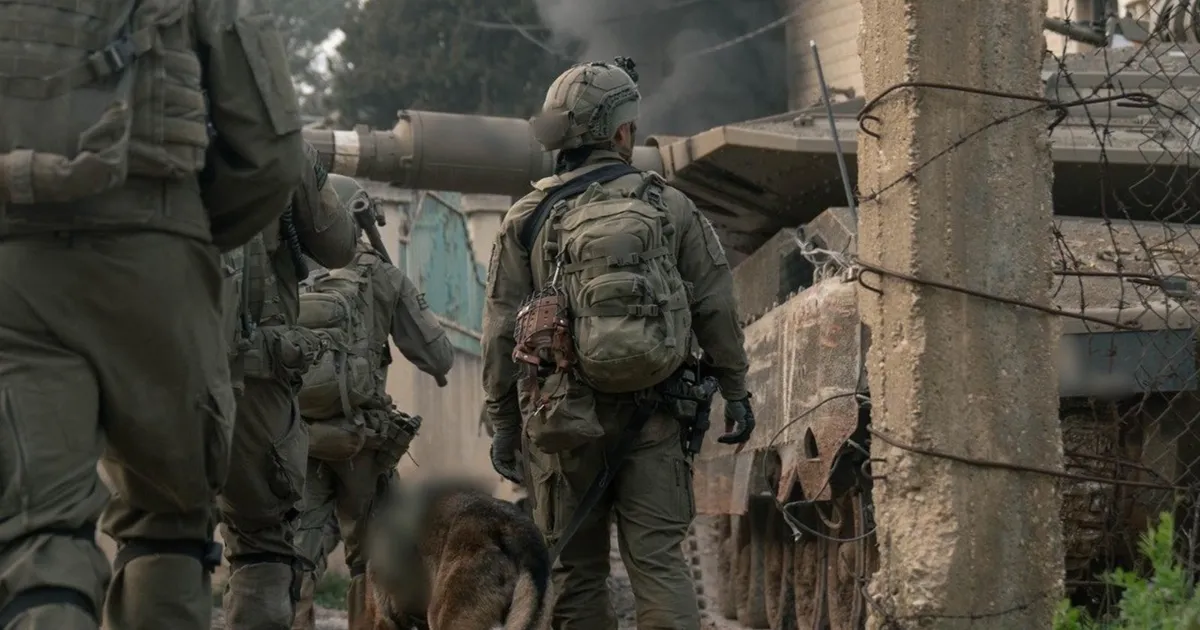
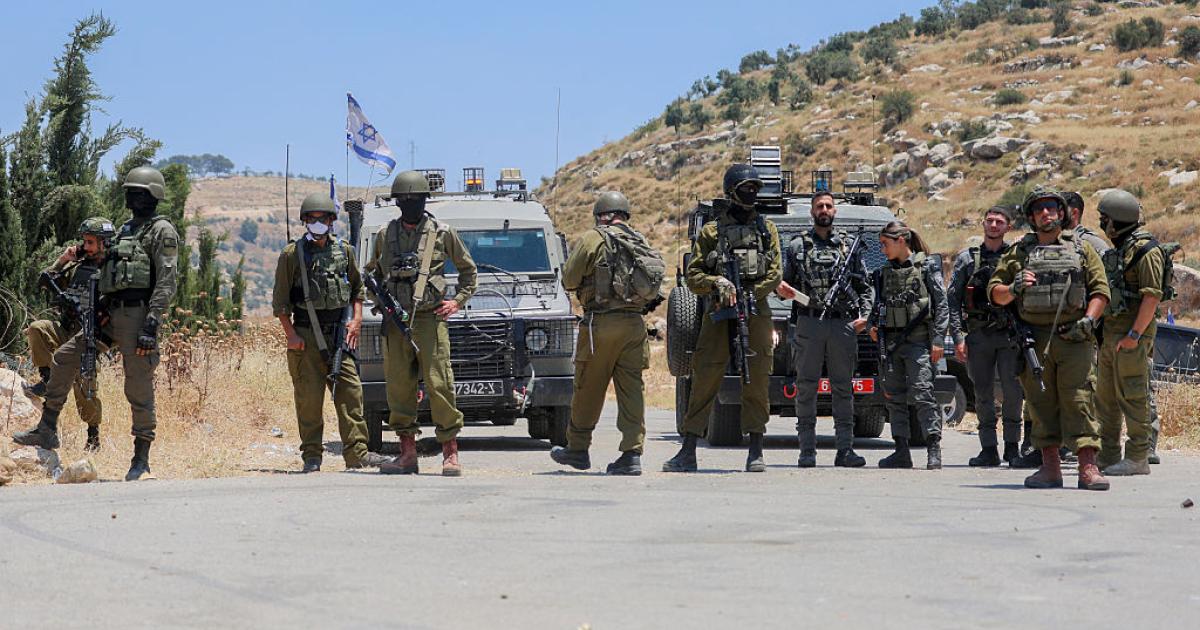
On the ground, reports indicate that the Israeli side links the withdrawal of its forces from the Strip to the progress made in the disarmament process. This process is expected to take several months, with armed factions being dealt with according to a gradual timeline that ensures no return of military threats across the border.
Once the disarmament stages are completed, the plan moves to deploying an international stabilization force in Gaza to secure the transitional phase and prevent any security breaches. This step coincides with the launch of a large-scale reconstruction process aimed at repairing the dilapidated infrastructure and handing over administrative affairs to a Palestinian technocratic committee to manage civil matters.
In contrast, the response from the Hamas movement came through its political bureau chief abroad, Khaled Meshaal, who considered these proposals not to represent an international will but rather a formulation of Israeli demands. Meshaal clarified that the movement rejects the principle of disarmament and considers it targeting the resistance, emphasizing that any solutions must be based on genuine guarantees and not stripping the Palestinian people of their means of defense.
Sources close to the movement confirmed that it had informed mediators in Qatar, Egypt, and Turkey of its openness to realistic approaches that include a long-term truce and international mechanisms to prevent military escalation. The movement insists that the priority must be to lift the blockade and stop the aggression, considering that talking about disarmament while the occupation continues is an تجاوز of on-the-ground and political realities.
Disarming the resistance does not reflect a purely international demand, but rather an Israeli vision that is being marketed in international forums.


Share your opinion
US Plan Led by Kushner to Disarm Gaza Factions in Stages