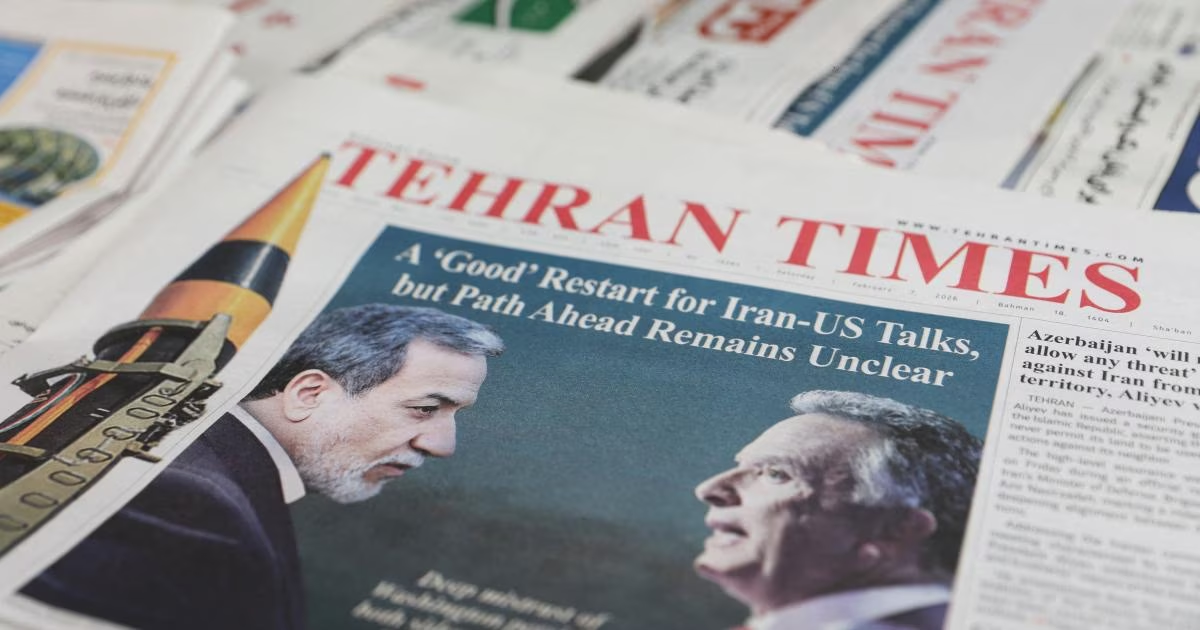







The region is witnessing intense diplomatic activity coinciding with escalating military tensions between Tehran and Washington, as indirect negotiations aim to contain the specter of a comprehensive confrontation. These moves come at a time when both sides are exchanging symbolic signals that reflect the complex nature of the conflict, whether through political channels or by demonstrating military power in regional waters.
In the Iranian capital, striking military implications emerged with the appearance of a model of the advanced Chinese fighter jet 'J-20' as a gift from the Chinese military attaché to the commander of the Iranian Air Force. This step is interpreted in political circles as a message of technical and military support from Beijing to Tehran, amid increasing Western pressure and continuous Israeli threats to vital facilities.
On the other hand, American movements recorded a notable presence in the Arabian Sea, where presidential envoy Steve Witkoff and Jared Kushner visited the aircraft carrier 'Abraham Lincoln'. The American delegation was accompanied by the commander of Central Command, who later participated in the round of indirect negotiations hosted by Muscat last Friday, linking the diplomatic track with direct military presence.
In the Sultanate of Oman, media sources monitored precise details during the meeting of the Omani Foreign Minister with the Secretary of the Supreme National Security Council of Iran, where files described as important appeared between the two parties. These meetings reflect the pivotal role played by Muscat as a key mediator in bringing viewpoints closer and attempting to formulate initial understandings to prevent a slide towards war.
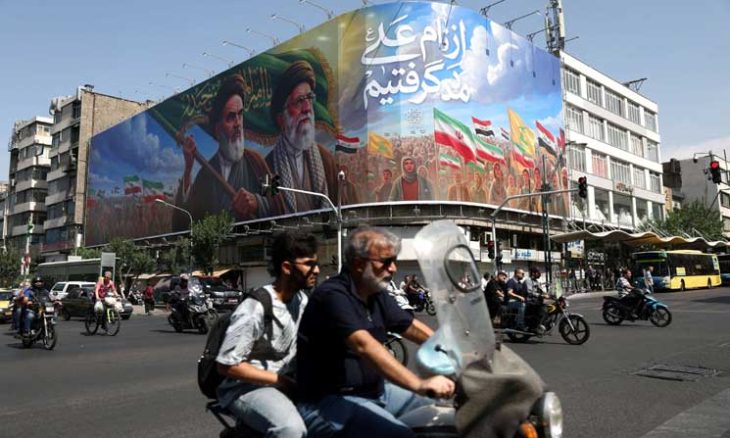
Domestically in Iran, Foreign Minister Abbas Araqchi quickly held high-level meetings with Iranian army commanders immediately after the conclusion of the talks in Muscat. This coordination aims to inform the military establishment of political developments and ensure the readiness of the armed forces to deal with any emergency scenarios that the nature of the stalled negotiations might impose.
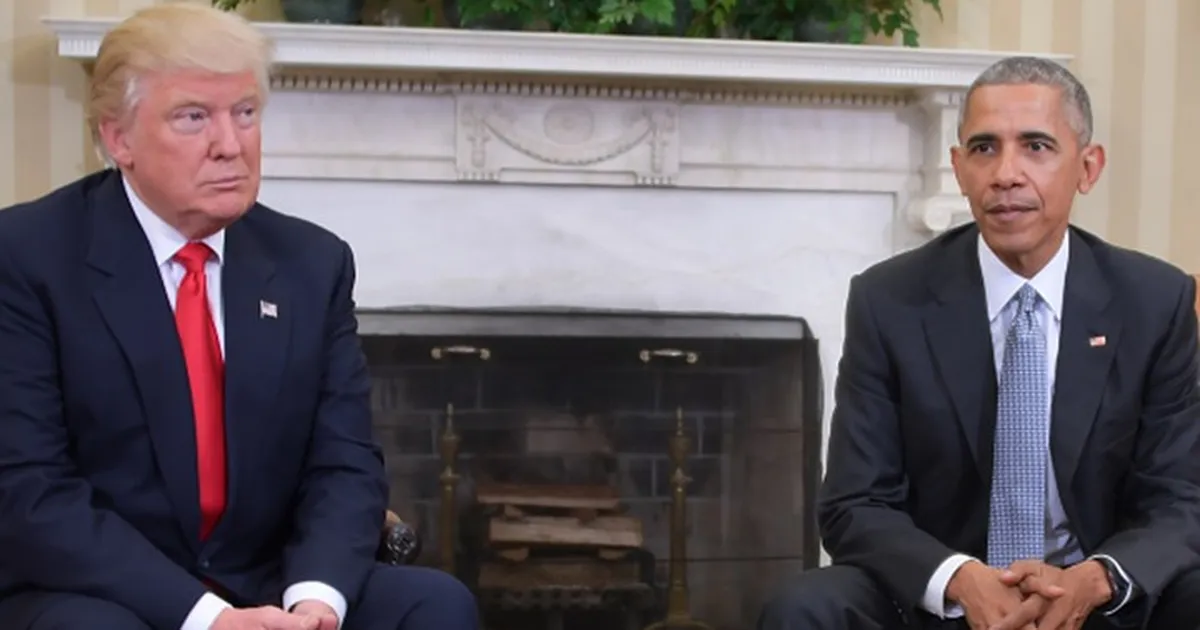
Despite ongoing diplomatic efforts to pave the way for a potential agreement, the American military buildup in waters near Iran continues to cast a shadow over the scene. The state of anticipation for what the coming days will bring continues, amid the intertwining of nuclear and regional issues with the ambitions of the new American administration to reshape the balance of power in the region.
Between diplomacy and the specter of war, efforts continue to pave the way for negotiations while military mobilization in the region persists.
Share your opinion
Symbolic Messages and Military Mobilization: The Backstage of Indirect Negotiations Between Tehran and Washington