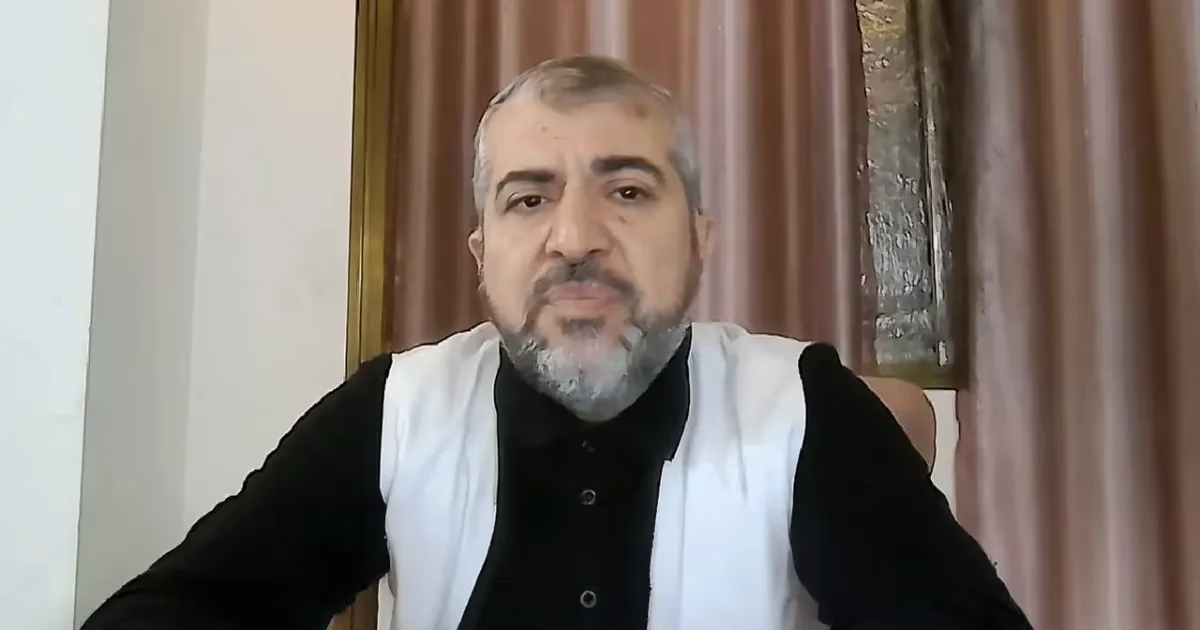







The Director-General of the Ministry of Health in Gaza, Munir Al-Barsh, warned of a comprehensive and unprecedented collapse in the health and humanitarian situation in the Strip, stressing that the Strip is experiencing one of the harshest chapters of tragedy in its history, in light of the continued siege, war, and their repercussions on the lives of residents, especially the displaced who face a worsening environmental and health catastrophe after sewage water flooded their temporary shelters. Sources said that more than 200 families are now living in sewage water, a scene that reflects "the complete collapse of the conditions for a dignified life," noting that what is happening in Gaza cannot be described as a natural disaster, but rather a humanitarian catastrophe made by the occupation, siege, war, and international silence.
He added that the Strip witnessed the death of 24 people in recent days due to the collapse of their homes due to rain, in addition to the death of 9 children due to severe cold, stressing that death in Gaza is no longer only linked to bombing, but has come from hunger, cold, lack of shelter, and absence of medicine. He continued, "Gaza's children do not need sympathy statements, but rather warmth to protect their bodies and a roof to shelter them."
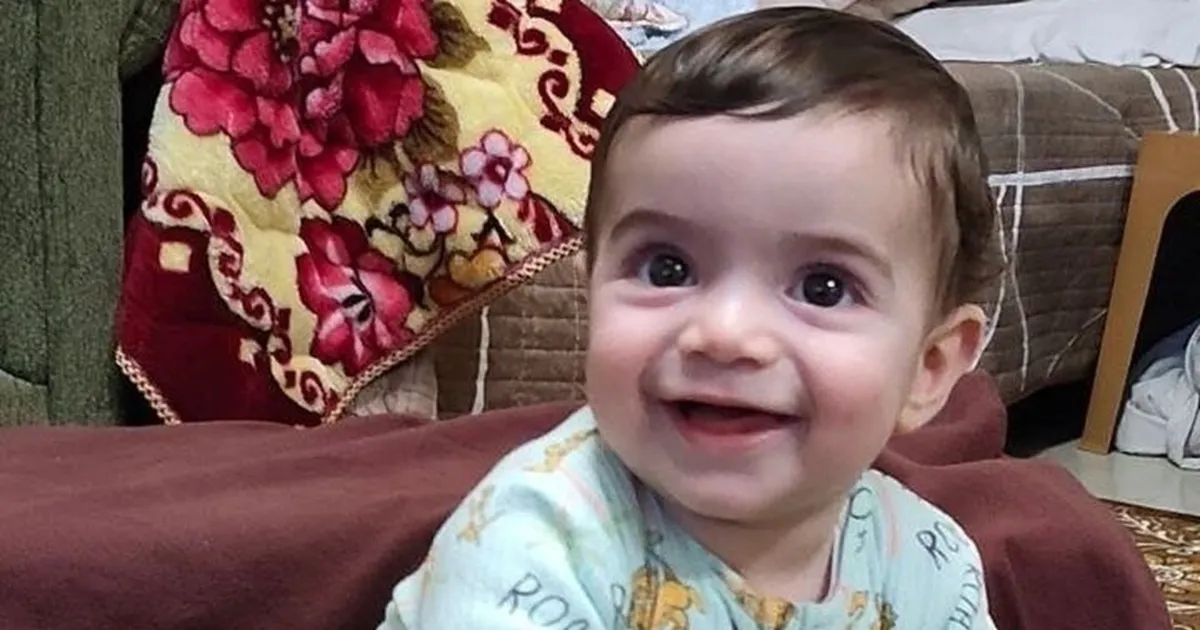
The Director-General of the Ministry of Health highlighted what he described as "the systematic targeting of the Palestinian womb," revealing shocking figures related to reproductive health during 2025. He said that the Strip recorded about 48,000 births, including nearly 4,900 children born with abnormal weights, and more than 4,000 premature births, in addition to documenting more than 315 cases of congenital malformations.
Al-Barsh pointed to 616 intrauterine deaths recorded during the same year, stressing that these figures reflect the reality of "unsafe birth" in light of the shortage of medicines, scarcity of food, and absence of basic health care, and the accompanying congenital malformations and serious complications for mothers and fetuses.
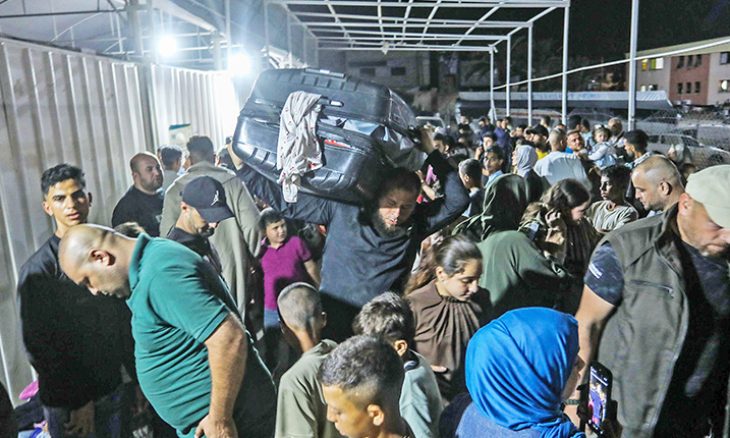
Regarding the discussion about the possibility of opening the Rafah crossing, the Palestinian official expressed his hope that this issue would turn from repeated promises into a tangible reality, stressing that the Ministry of Health in the Strip constantly prepares ready lists, because the need is not for individual cases, but for thousands of patients.
Al-Barsh said that more than 18,500 patients urgently need to travel to receive treatment outside the Strip, and warned that their remaining means "a death sentence," noting that more than 1,022 patients have already died due to their inability to travel.
The Director-General of the Ministry of Health in Gaza revealed the results of a recent report by the Palestinian Ministry of Health on water quality in the Strip, indicating that 2,400 water samples were tested, and it was found that more than 57% of them are unsafe for drinking, meaning that more than half of the water sources do not meet health standards.
Munir Al-Barsh said that water pollution, along with malnutrition and lack of immunity, has led to a widespread outbreak of diseases and viruses, noting the recording of coronavirus cases, which often appear collectively within the same family, and take the form of prolonged fever, exhausting cough, and persistent fatigue.
He added that hunger, siege, and years of fear and deprivation have exhausted the bodies of the residents, leading to a mass outbreak of diseases in various areas of the Strip, stressing that hospitals are overflowing with patients, while intensive care units are operating at an occupancy rate exceeding 150%.
In response to a question about the impact of obstructing the opening of crossings after the ceasefire agreement, the first phase of which entered into force on October 10, 2025, Al-Barsh described what is happening as a silent genocide, stressing that the occupation has killed more than 466 people and injured more than 1,294 others since the agreement came into effect.
He explained that the number of births decreased by 41% compared to previous years, as reported by the British newspaper "The Guardian," where the number of births decreased from about 56,000 in previous years to only 48,000, considering this a direct result of policies targeting maternal and child health through bombing and preventing essential medicines and nutritional supplements.
Death in Gaza is no longer only linked to bombing, but has come from hunger, cold, lack of shelter, and absence of medicine.



Share your opinion
Munir Al-Barsh: Gaza Faces a Silent Health Genocide