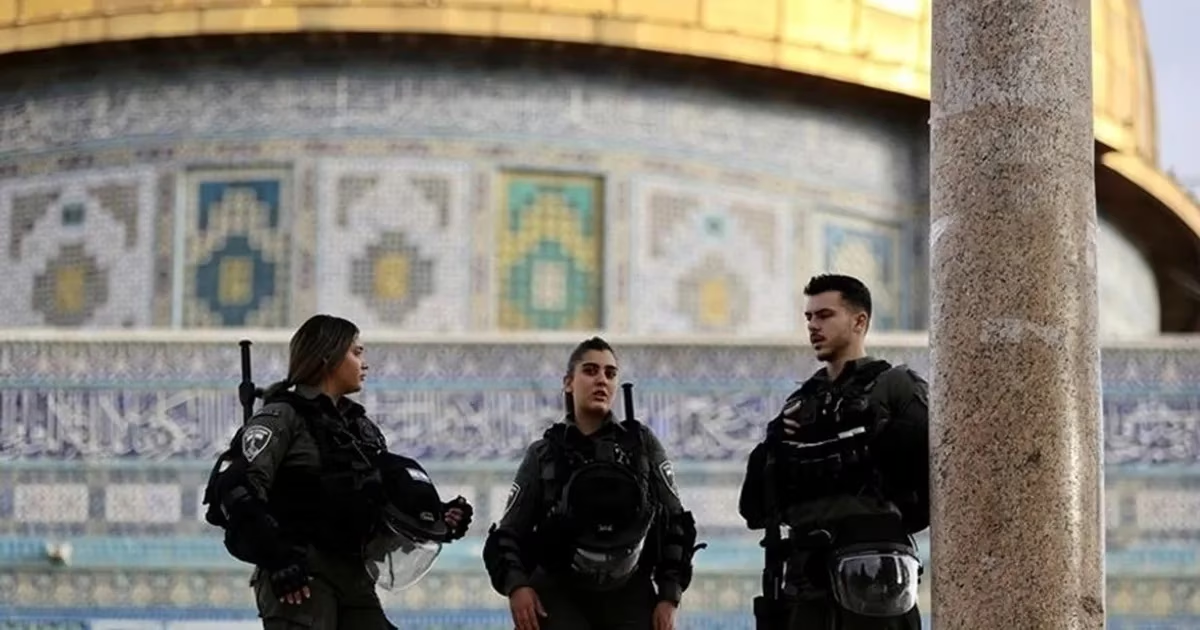







Security circles within the Israeli occupation are treating the upcoming month of Ramadan, astronomically expected on February 17th, as a highly sensitive security juncture in this year's agenda, amidst an unprecedented intertwining of economic, social, and security factors in the West Bank and East Jerusalem. According to estimates issued by the security establishment in Tel Aviv, this year's Ramadan comes as the Palestinian territories are experiencing one of their most complex phases in years, due to the repercussions of the ongoing war, severe economic deterioration, and the absence of any clear political or livelihood horizon, which – according to the Israeli perspective – portends an increase in the likelihood of field friction.
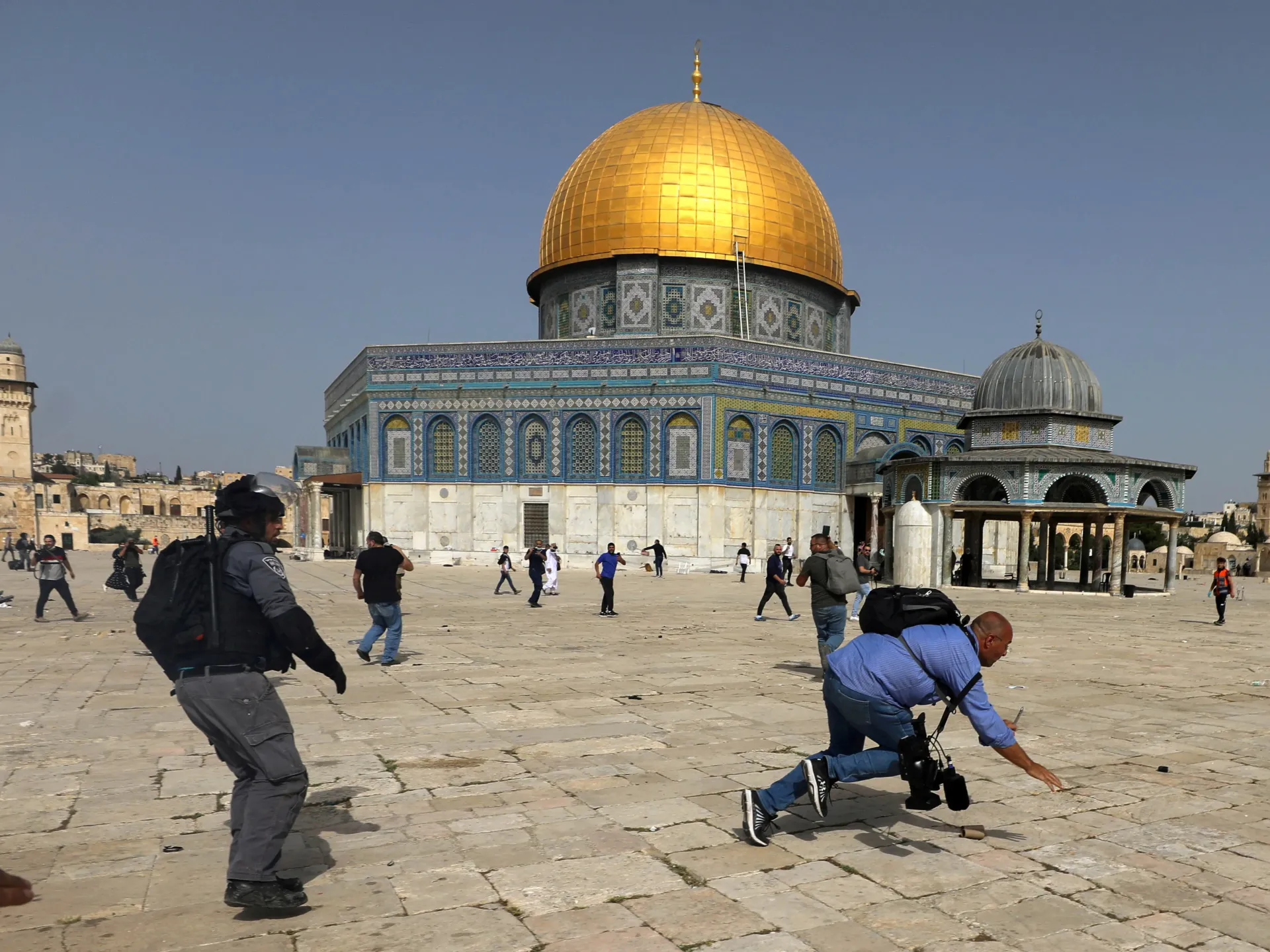
Jerusalem at the Heart of Security Concern Security sources reported that East Jerusalem represents the primary focus of concern during the holy month, due to the overlap between the intensity of religious rituals in Al-Aqsa Mosque and the tightening of Israeli measures, in addition to Tel Aviv's decision to impose sanctions on UN organizations operating in the Palestinian territories, most notably the United Nations Relief and Works Agency for Palestine Refugees (UNRWA). The same estimates add that the tense regional scene, including the possibilities of escalation with Iran, casts its shadow over the Palestinian arena, increasing the sensitivity of any field development during Ramadan.
Unemployment and Economic Pressure Security agencies believe that the economic factor plays a pivotal role in the current scene, as Hebrew reports indicate that the Israeli occupation government's decision to prevent about 140,000 Palestinian workers from entering the occupied territories for work since October 7, 2023, has caused a deep economic shock within the West Bank. According to data issued by the Central Command of the Israeli occupation army, unemployment rates in the West Bank jumped from about 13 percent before the war to nearly 29 percent currently, creating a stressful social environment, classified security-wise as prone to explosion if the stalemate continues.
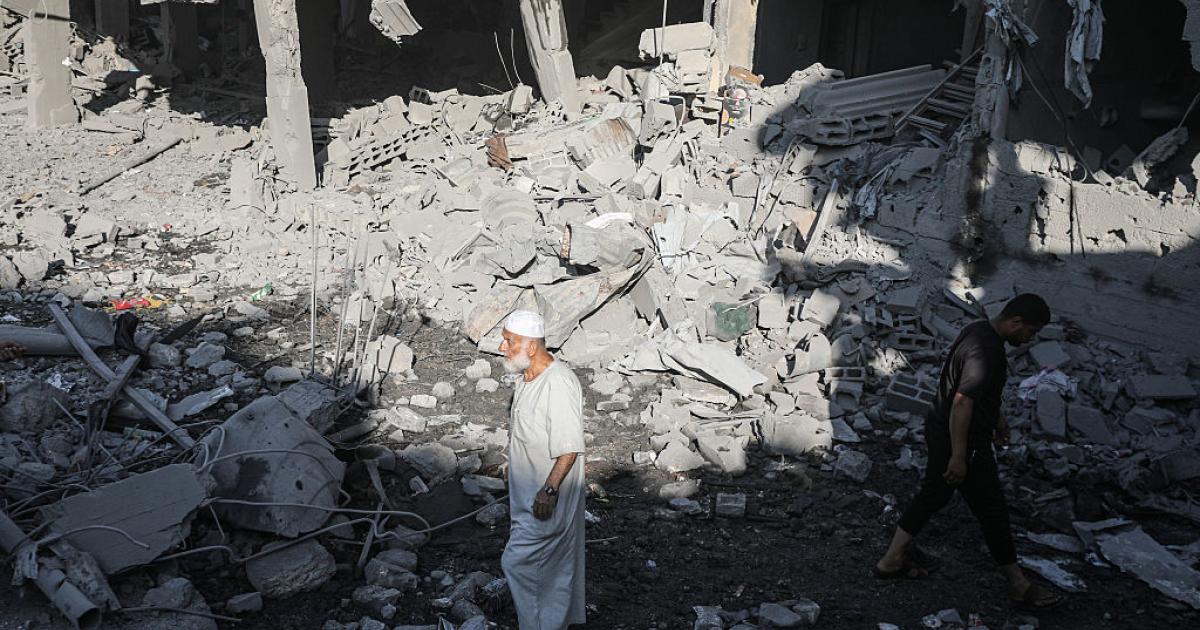
Israeli military sources indicated that the Palestinian street is awaiting a tangible breakthrough before Ramadan, whether in terms of work or easing restrictions, while there is widespread fear of the scenes of destruction witnessed in Gaza and Lebanon spreading to the West Bank. According to sources, this fear does not negate Israeli concern about an opposite scenario, represented by the outbreak of confrontations if Palestinian hopes are dashed, especially with the approach of Eid al-Fitr, a period that security estimates describe as "traditionally charged with incitement and tension."
Field Preparations and Multiple Scenarios In this context, the Israeli security establishment is preparing to deal with a wide range of scenarios, including intensifying monitoring and follow-up of what it describes as "lone cells," and monitoring local armed organizations in the West Bank, in addition to strengthening military deployment. The Israeli occupation army is also preparing for widespread use of digital applications for managing movement at crossing points along the contact line, with the aim of regulating the entry of worshipers to Al-Aqsa Mosque during Ramadan, according to mechanisms that Israel describes as "digital and disciplined." Despite these preparations, the Israeli political level has not yet finalized its policy regarding Eid al-Fitr prayers at Al-Aqsa Mosque, but security reports confirmed the intention to hold an upcoming meeting between security and political leaders to present the military establishment's recommendations before making the final decision.
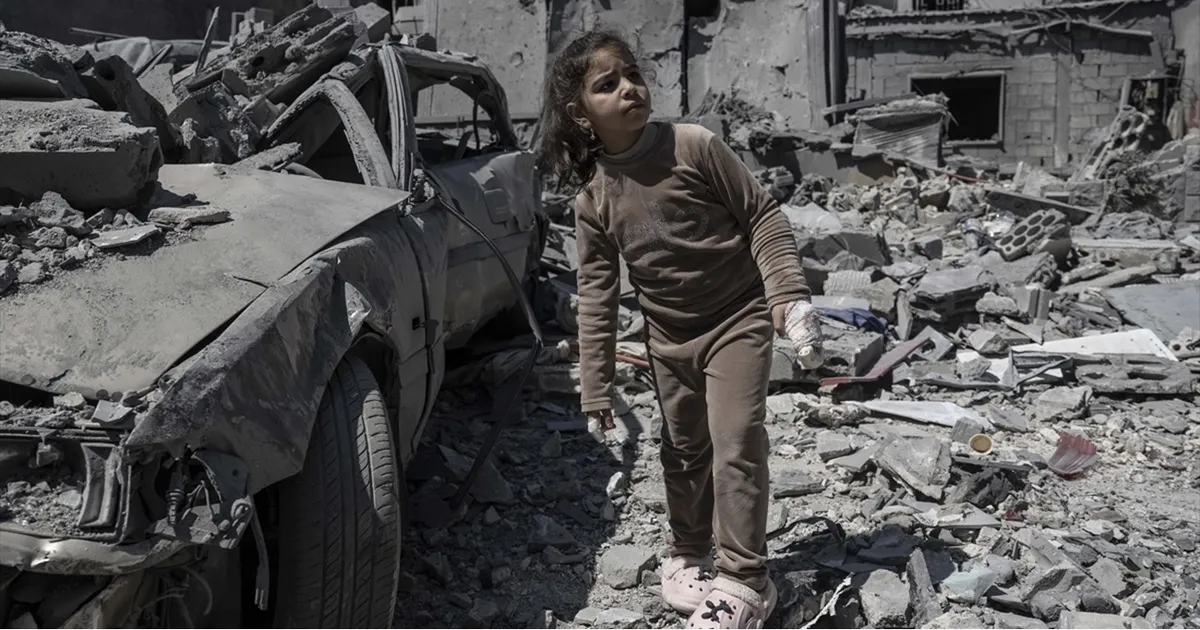
This year's Ramadan comes as the Palestinian territories are experiencing one of their most complex phases in years.
Share your opinion
The Occupation Awaits Ramadan with Apprehension.. West Bank and Jerusalem on the Brink of Explosion