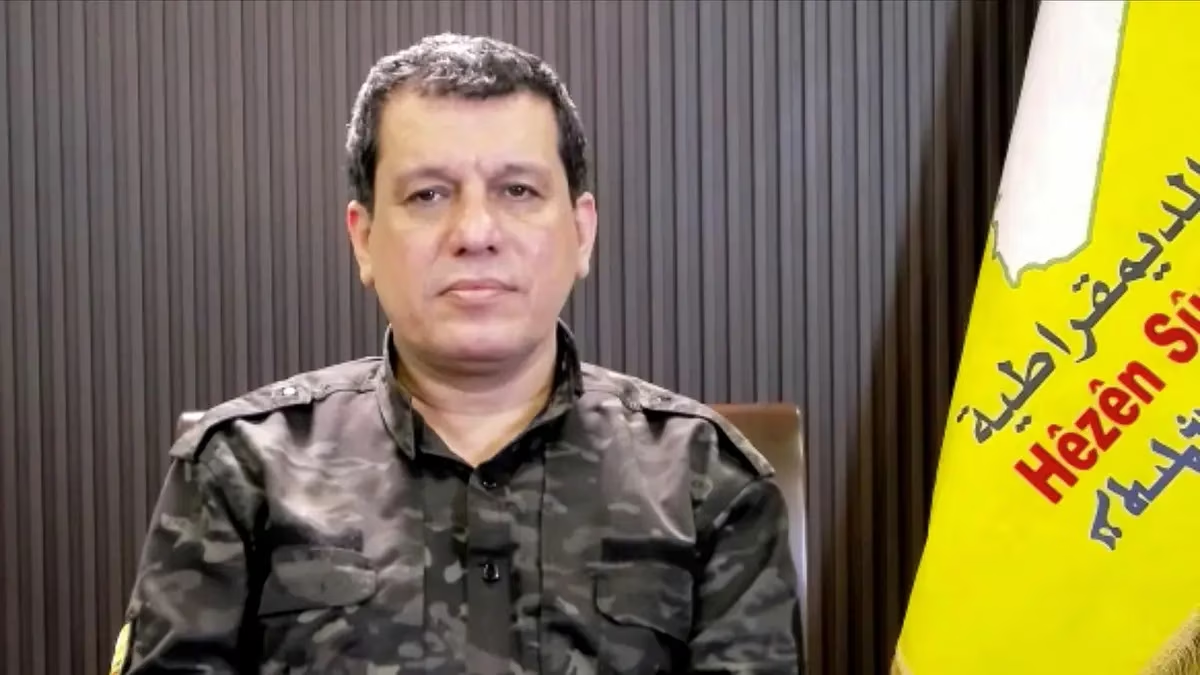







In a remarkable shift in its approach to the Syrian file, the United States has practically announced the end of its military support for Kurdish forces, concurrent with escalating confrontations in the north and northeast of the country between the forces controlling Damascus, which have an Islamist orientation, and local Kurdish forces. This shift reflects increased American involvement in supporting the new Syrian authority led by Hayat Tahrir al-Sham, after years of relying on the Kurds as a key field partner.
US Special Envoy Tom Barrack affirmed that the Kurds have a "real opportunity" to integrate into the new Syrian state, noting that the central government will guarantee them "equal rights" if they accept submission to its authority. Barrack's statements did not focus as much as they did on the justifications for this shift, explaining that Washington's previous support for the Kurds came in the context of the absence of a reliable partner in Damascus during the war on ISIS, a circumstance he said no longer exists today.
According to Barrack, the United States' consideration of "Hayat Tahrir al-Sham" as a party consistent with its security and political interests made continuing to bet on the Kurds an unjustified option from the perspective of the American administration. This new assessment, it seems, has redrawn the map of alliances in Syria, at the expense of field allies with whom cooperation lasted more than a decade.
In contrast, local officials and Kurdish leaders expressed deep shock and disappointment, considering that Washington is "abandoning" them at a critical moment, specifically with the start of Hayat Tahrir al-Sham's attacks on areas that Kurdish forces had controlled with direct American support in previous years. These individuals believe that the decision represents a repetition of a known American pattern in managing temporary alliances.
This is not the first such retreat. In 2019, President Donald Trump's administration allowed Turkey to launch a wide-ranging attack on Kurdish areas, following a US decision to withdraw military support, a move that sparked widespread controversy both inside and outside the United States. It seems that history is repeating itself today, even if the pretexts and contexts differ.
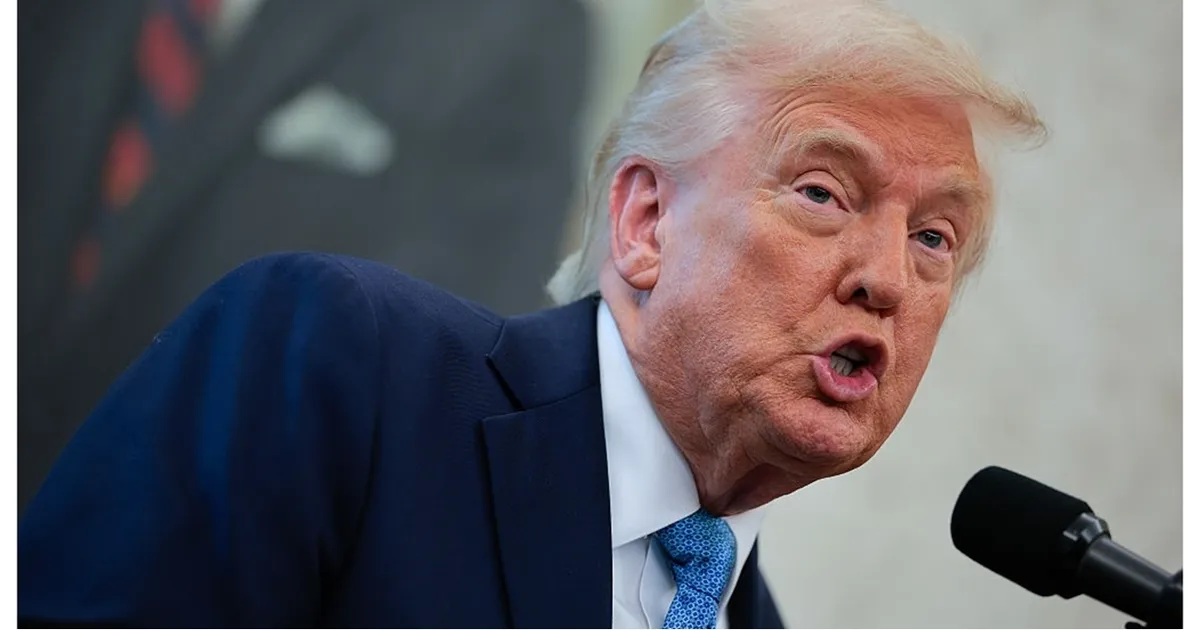
The current move is not without opposition within Washington itself. Republican Senator Lindsey Graham warned Hayat Tahrir al-Sham against continuing attacks on the Kurds, threatening the possibility of reimposing sanctions on Syria if the escalation continues. However, this position seems isolated from the White House's direction, where President Trump publicly expressed admiration for the group's leader, Ahmed al-Sharaa, describing him as a "strong and charismatic personality," in a clear indication of the priority of the relationship with the new leadership in Damascus.
Over the past months, Washington has repeatedly expressed its dissatisfaction with the Kurds' adherence to the self-governance formula, as Barrack stated that the American administration concluded that "federalism is not suitable" in the Syrian case, and that the Kurds must abandon their own political ambitions and fully integrate into the central state.
For his part, Ahmed al-Sharaa gave the Kurds a short deadline to accept the terms of integration, amidst a previous record of political marginalization, which included their exclusion from government positions and the postponement of parliamentary elections in their areas. With the absence of any clear guarantees regarding the form of their future representation, their political fate remains uncertain, at a time when Washington believes that what is offered to them is sufficient to close this file.
The new American stance on the Kurds in Syria reflects a strict pragmatic logic that governs Washington's foreign policy, where alliances are measured by immediate interest rather than by a long record of partnerships. After the Kurds played a pivotal role in defeating ISIS, they are no longer a strategic necessity in the eyes of American decision-makers, which reveals the fragility of the guarantees Washington provides to its non-state allies in conflict zones.
Experts believe that the American bet on Hayat Tahrir al-Sham carries long-term risks, as it grants international legitimacy to a militia that was classified as "terrorist" and whose political structure remains untested. Furthermore, the marginalization of the Kurdish component may open the door to new rounds of instability and undermine any sustainable settlement in Syria. While Washington seeks to simplify the scene by supporting a single center of power, it may later find itself facing complexities even greater than what it is trying to overcome today.


Share your opinion
Washington turns the page on supporting Kurds in Syria and bets on the new authority