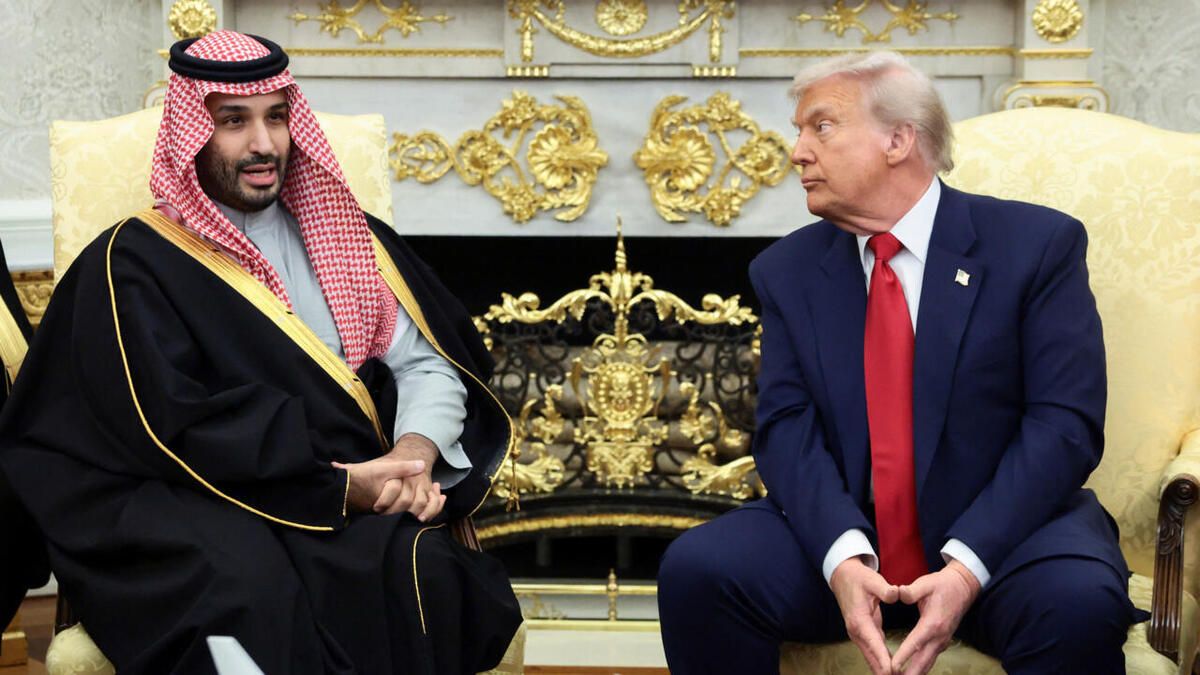







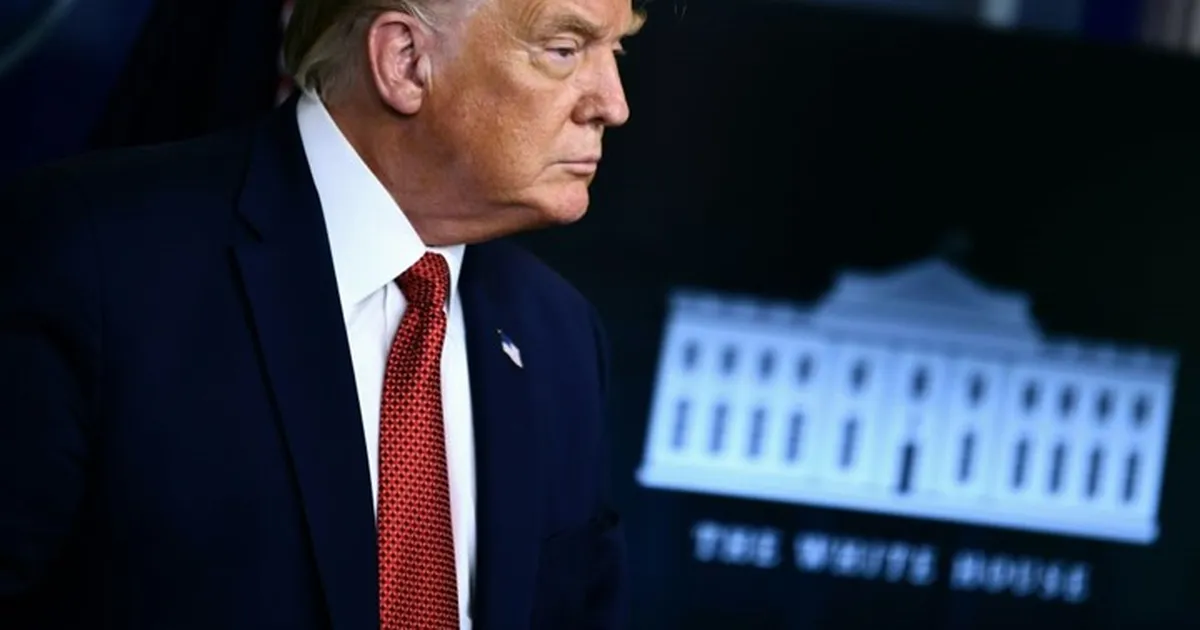
US President Donald Trump is expected to host a special signing ceremony today, Thursday, to launch the "Peace Council," an idea he previously proposed on the sidelines of the World Economic Forum in Davos. Initial data indicates that more than twenty countries have so far accepted to join this council, while the position of key European allies of the United States remains unclear, as none of them have announced a formal commitment. Some countries have even expressed their rejection of the idea or deep reservations about it.
In this context, eight Arab and Islamic countries announced, in a joint statement issued from the Qatari capital Doha on Wednesday, their welcome of Trump's invitation to join the "Peace Council." The statement was issued by the foreign ministers of Qatar, Turkey, Egypt, Jordan, Indonesia, Pakistan, Saudi Arabia, and the UAE, where they affirmed their acceptance of the invitation extended to the leaders of their countries and their agreement to initiate the necessary formal procedures to complete their accession according to the legal and administrative frameworks adopted by each country.
The statement noted that some of these countries, including Egypt, Pakistan, and the UAE, have already begun taking practical steps towards formal accession procedures. The foreign ministers also stressed their support for the political efforts led by the United States, affirming their readiness to contribute to the implementation of the council's tasks as a transitional framework, as stated in the comprehensive plan to end the Gaza conflict, a plan that received the support of the UN Security Council under Resolution No. 2803.
Meanwhile, US Special Envoy Steve Witkoff stated on Wednesday that up to 25 countries have accepted the invitation to join, saying in a television interview (on ABC network) that the number of leaders who responded positively exceeds twenty and may approach twenty-five. According to US officials, invitations were extended over the weekend to more than fifty world leaders, while a White House official expected the number of members to reach nearly thirty countries.
Despite this momentum, the initiative has been met with cautious stances from a number of Washington's allies, who have not shown explicit support for the council or quick acceptance of Trump's invitation, amidst serious questions about the need for a new international body that could be understood as a competitor or alternative to the United Nations. Speaking on Wednesday, Trump described the council as "the most prestigious ever formed," considering that it would do work that the United Nations should have done, adding that cooperation with the United Nations would continue, but at the same time he stressed that the council would be "special" and capable of "achieving peace." When asked if the council could replace the United Nations, he did not rule it out, saying: "Perhaps."
Among the European countries that rejected the idea or expressed significant reservations were France, Norway, and Sweden, while the position of other countries such as Germany, the United Kingdom, and Italy remained hesitant without clear commitment. An invitation was also extended to Russia, which the Kremlin confirmed this week despite the ongoing war in Ukraine. State media quoted Russian President Vladimir Putin as saying that the proposal is primarily related to settling Middle East issues and finding solutions to the urgent problems of the Palestinian people, especially the humanitarian crisis in the Gaza Strip.
The list of countries said to have accepted the invitation includes Israel, Kosovo, the UAE, Hungary, Belarus, Azerbaijan, Egypt, Armenia, Turkey, Pakistan, Qatar, and Jordan. Trump told reporters in Davos that the council is "the greatest council ever formed," adding that everyone wants to join it, and that it includes "controversial" figures who are capable of getting things done and have "tremendous influence." The White House has not released the full list of invited countries, and it remains unclear how many countries will actually sign during the anticipated ceremony on Thursday.
Information indicates that the idea of the Peace Council was first proposed last year based on a two-year mandate from the Security Council, with the aim of managing and reconstructing Gaza, but the draft charter of the council does not directly mention Gaza. According to a copy of the draft reviewed by an American news network, the council is designed to have a much broader mandate as an "international organization" and a "peacebuilding body," seeking to resolve conflicts around the world and secure lasting peace, making it closer to a US-led alternative to the traditional UN model.
The draft also reveals that Trump, who is expected to chair the council, could hold this position for life, as he can continue until he decides to resign, according to a US official. The official added that a future US president may choose to appoint a new US representative to the council. The draft also stipulates that countries that accept the invitation will receive a three-year membership, while permanent membership is granted to countries that contribute more than one billion dollars in cash during the first year. The US administration affirmed that these contributions are "voluntary" and should not be considered as membership fees, stressing that the council will adhere to strict financial oversight and supervision standards if funding is provided.
In a notable development, Putin proposed that Russia pay the one billion dollars from the assets frozen by the United States due to the war in Ukraine. The discussion also included the formation of an executive committee to oversee the council, comprising former British Prime Minister Tony Blair, Canadian Prime Minister Mark Carney, and US Secretary of State Marco Rubio, along with Steve Witkoff and Trump's son-in-law Jared Kushner.
The idea of the "Peace Council" raises a fundamental question about the logic of creating new international frameworks at a time when many countries' trust in global governance institutions is declining. When Trump presents the council as more effective than the United Nations, he is not only criticizing the bureaucracy of the international organization but also hinting at an American desire to possess tools of influence that are faster and less constrained by collective legitimacy. However, this could open the door to polarization rather than consensus.
The accession of influential Arab and Islamic countries gives the council political and symbolic weight, but it also puts these countries to a dual test: how to balance supporting a new international path led by Washington with protecting the independence of their decision and not being dependent on agendas that change with changing US administrations? Previous experiences in the Middle East show that initiatives lacking clear guarantees and transparent mechanisms can turn from peace projects into tools of pressure, especially when crises intensify.
What is most controversial in the proposed structure of the council is the mixing of "peace" and "funding," by linking permanent membership to a huge financial contribution. This condition creates the impression that influence within the council can be bought, not earned through political responsibility or adherence to international law. Moreover, granting lifetime presidency weakens the idea of institutional rotation and makes the council closer to a personal project. Therefore, its legitimacy will remain a constant question.
Share your opinion
Trump launches "Peace Council": Arab support, European reservations, and questions about international legitimacy