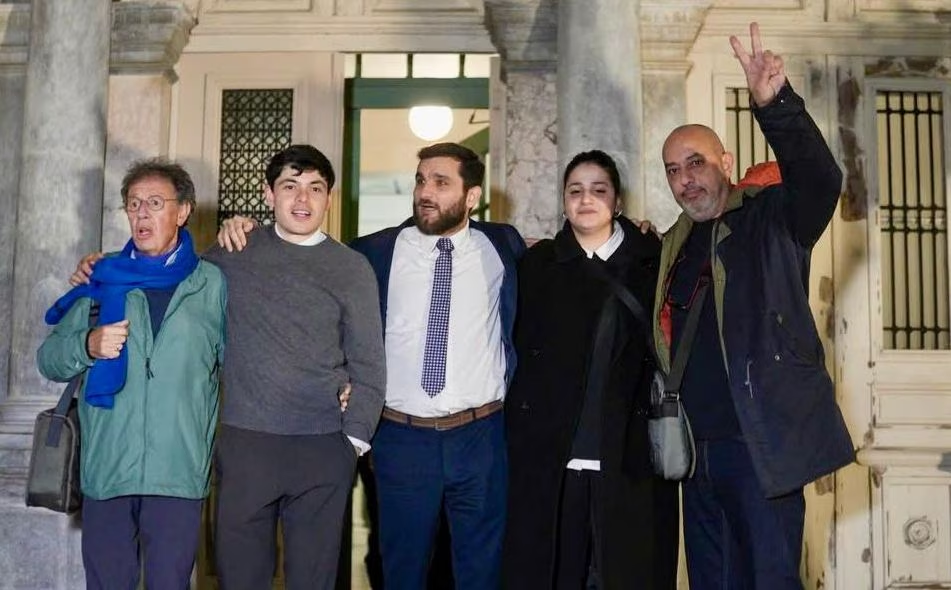







A Greek court on Lesbos Island acquitted Ihab Abbasi and 23 male and female humanitarian workers of all charges against them, ending a case that lasted eight years and constituted one of the most prominent cases of criminalizing humanitarian work in Europe.
The Palestinian Ihab Al-Abbasi, from the city of Jerusalem – a native of Silwan, was working at the time with Doctors Without Borders as the medical project coordinator for the organization on Lesbos Island (Lesvos) in Greece. He and his colleagues were charged with serious offenses, including human smuggling and belonging to a criminal organization, due to their role in coordinating humanitarian aid and reporting on refugee and migrant boats at risk in the Aegean Sea.
The case dates back to 2018 and has been widely criticized since its inception by human rights organizations and international institutions, which considered it a clear attempt to “criminalize solidarity” and deter humanitarian workers from performing their life-saving duties.
During the long years of trial, Ihab Abbasi and the rest of the defendants lived in a state of legal uncertainty and psychological and professional pressure, despite their continuous affirmation that their actions were purely humanitarian and fell within their professional and ethical duties.
On January 16, 2026, the court issued its final verdict acquitting all defendants, confirming the absence of any evidence of criminal activity, and emphasizing that saving lives and providing humanitarian assistance do not constitute a crime.
This ruling is seen as a legal and moral victory, and a clear message about the necessity of protecting humanitarian workers and respecting their role, rather than prosecuting them.





Share your opinion
Acquittal of Jerusalemite Ihab Al-Abbasi and 23 humanitarian workers on Lesbos Island after 8 years of prosecution