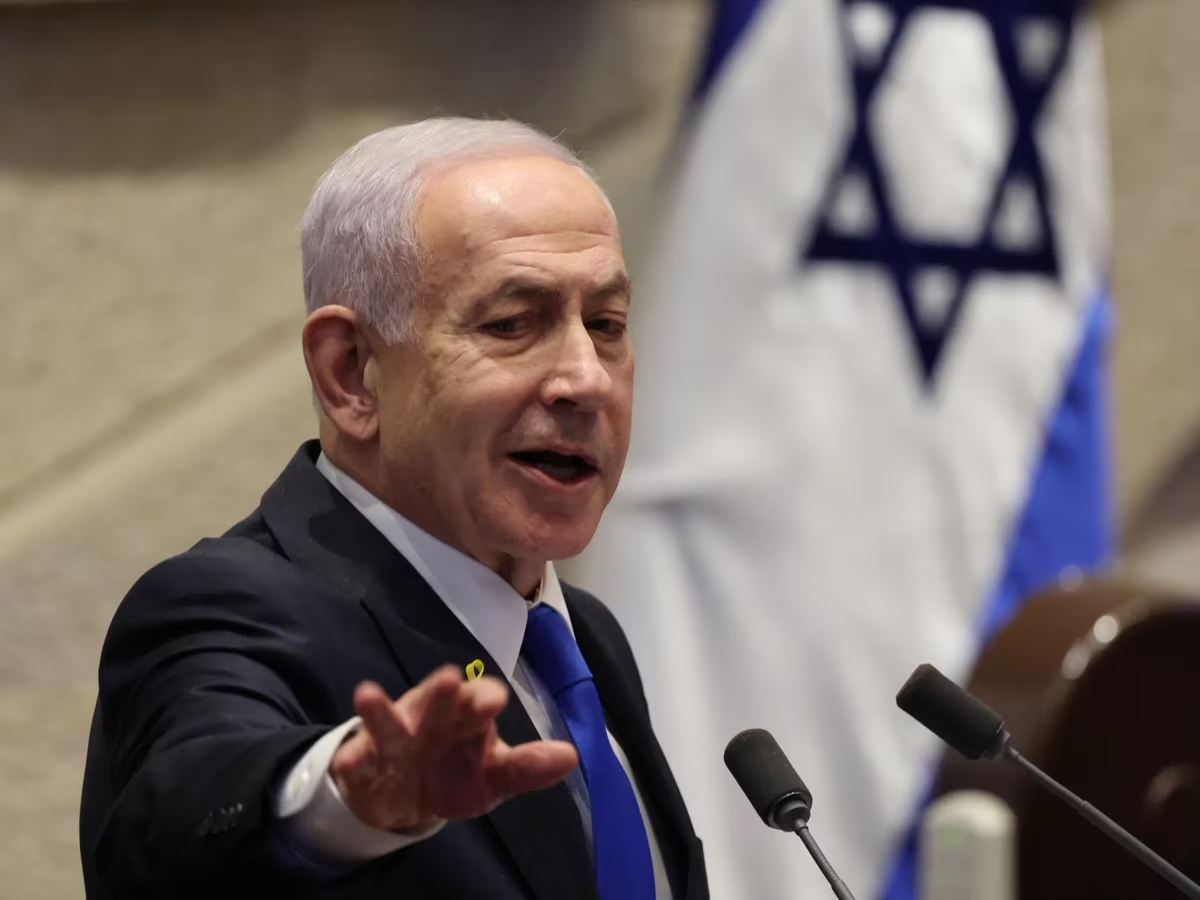







If there is one positive aspect to Israel's decision to recognize the breakaway region of Somaliland as an independent state, it is the clear exposure of its plans in the region as never before. Perhaps the tweet by Israeli journalist Eddie Cohen on the "X" platform summarized the essence of the Israeli project at this moment in history, as he says: "Whoever thinks that a few firecrackers that fell in Mukalla port before New Year's Eve will end the project of restoring the state of the South, is a fool. The state of the South, the state of Al-Fasher, and the state of Al-Jufra and Sirte will rise, even if noses are rubbed in the dirt. Be sure of this fact." A correct understanding of Israel's decision regarding Somaliland stems from comprehending the nature of its expansionist Zionist project in the region, which believes that Israel's borders are between the Nile and the Euphrates. It also confirms that the Hebrew state is proceeding with the implementation of one of its most dangerous documents, the Kivunim document, which records its vision for dividing and fragmenting the countries of the region. Therefore, the step of recognizing Somaliland must be read within this broad framework that targets Arab countries collectively and individually. It must also be read from the perspective of the seriousness of its repercussions on the security of the Horn of Africa and the Red Sea, and on the countries located in this vital area of the world. This recognition will establish a dangerous precedent in this region, which is plagued by ethnic conflicts and states fragile in their social structure and national cohesion. It will open the door for rebel groups, especially in Sudan, Libya, Yemen, and even Ethiopia and Kenya, to declare their independence, and then find those who recognize them without regard for international laws and respect for the institutions regulating members of the international family.
Somaliland occupies a strategic location in the Red Sea on the Gulf of Aden, with a coastline of 460 miles. It is also located at the entrance to the Bab al-Mandab Strait, which controls 12% of international trade, amounting to $790 billion, and 40% of trade between Asia and Europe, including Gulf oil. The port of Berbera, located in its capital Hargeisa, represents an important economic lung in the region, as it is the largest port on the Gulf of Aden. This strategic importance is what led Britain to occupy this region from 1887 to 1960, when the Republic of Somaliland gained independence, later uniting with Somalia, which was under Italian occupation. However, mismanagement and the authoritarianism of President Siad Barre's regime at the time created a kind of despair towards voluntary unity, which ended with the region unilaterally declaring its independence when the central state collapsed in 1991. Since then, the separatist region of Somaliland has been seeking international recognition to make it an independent state from federal Somalia.
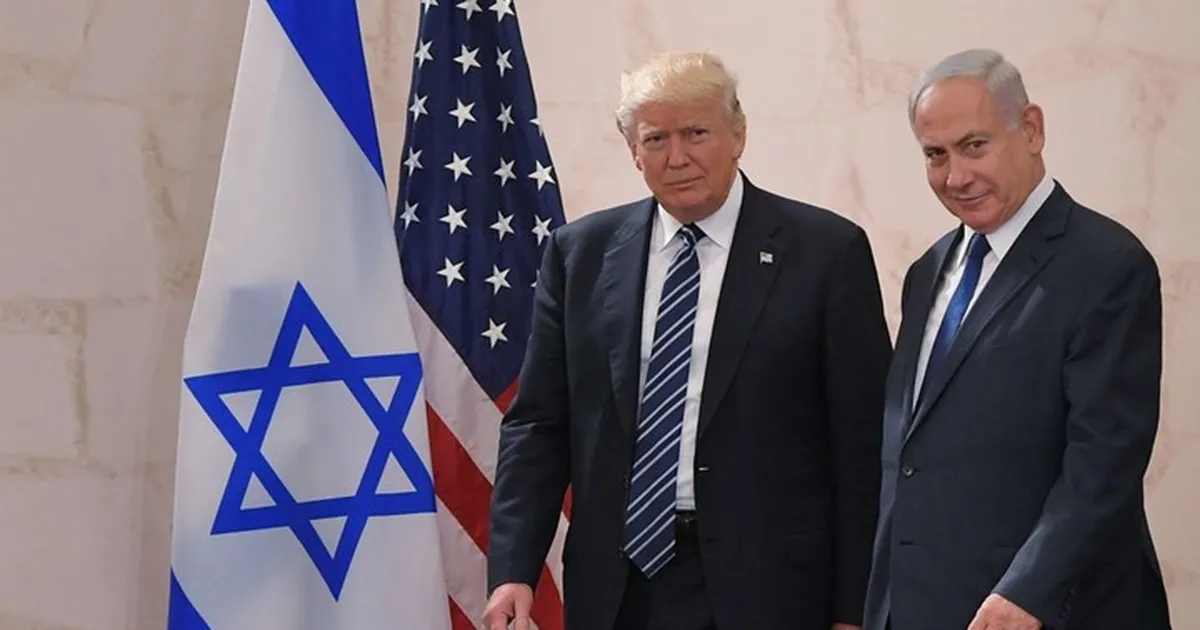
On the other hand, Somaliland has active communities abroad, especially in the United States, which have worked diligently to gain recognition. It was noteworthy that the recognition of the so-called (Republic of Somaliland) was included in the 2025 project prepared by an elite group of conservative Republicans close to President Trump during his election campaign, under the supervision of the Heritage Foundation. Although he disavowed that project at the time, experience currently proves that much of what was included in it is part of President Trump's movements and interests. Academic Karen K. called for the importance of recognizing Somaliland's independence, "because combating (malign) Chinese activity on the continent should include developing strong public diplomatic efforts. And recognizing separatist Somaliland is a hedge against the deterioration of the United States' position in Djibouti." This vision later developed into a draft resolution submitted to Congress by Representative Scott Perry, calling for the recognition of Somaliland, according to the following justifications: the region's stability for three decades, its strategic and security importance, and its commitment to democracy. These justifications presented by the American Congressman are the same ones presented by the Israeli elite as reasons for Israel's recognition of this region. Israeli journalist Nadan Feldman wrote an article in "Haaretz" comparing Israel and Somaliland, stating: "Both are small, weak democracies located in regions teeming with authoritarian regimes and deadly wars. Both also suffer from sovereignty problems in the face of the international community, and both have enemies seeking to destroy them." In January of last year, the former president of Somaliland participated in an academic event at the Heritage Foundation in Washington, after which Republican Representative Jim Risch introduced a project to recognize the region's independence from Somalia, which this time was passed by the Foreign Relations Committee with bipartisan support. So far, it cannot be definitively stated whether the Trump administration will recognize the region or not, given the complexity surrounding the issue, as its recognition will directly affect strong allies of the United States, foremost among them Saudi Arabia and the Arab Republic of Egypt, while Israel works through its influential mechanisms to push the administration to make that decision.
Israel's intentions and motives for taking this decision can be understood from the painful realities that the October 7 war experience revealed for Israel. Houthi missiles posed a significant security concern for the Hebrew state. Although communication between Israel and Somaliland is not a new event, Israel sees the current moment as a great opportunity to take a step forward in its grand project in the region. On the one hand, it is confident that the division within the Arab body has reached a stage that enables it to make the most difficult decisions without fearing reactions. On the other hand, it enjoys unprecedented support from the current American administration. In light of Netanyahu's government's diligent efforts to change the equation in the region by changing the regime in Iran, encircling the Saudi borders with security risks, and sending a message to rebels in Sudan and Libya, it has taken this step driven by security concerns and expansionist dreams. It is clear that Israel will seek to develop an intelligence infrastructure that enables it to monitor and even control the waterways in the region, especially if the military base that Ma'ariv newspaper previously spoke about is completed, which it said would be built with the support of "regional parties." This step certainly posed a direct threat to many countries, foremost among them Saudi Arabia, Turkey, Somalia, Eritrea, Egypt, and China, in addition to Sudan. Only Ethiopia – in this region – can engage in the new arrangements that Israel wants and in which regional parties cooperate. But what Ethiopia overlooks, driven by its urgent desire to access sea outlets, is that, like Sudan, Kenya, and other countries, it suffers from internal divisions, and this step could encourage internal parties within it to demand secession or self-determination. There is the Ogaden region, which historically belongs to the Somali nationality, and its relationship with the Ethiopian state has been in constant turmoil, in addition to the Tigray region, which is simmering after the central government suppressed its uprising by armed force. For Saudi Arabia and the Arab Republic of Egypt, the strategic threat remains related to the security of international corridors and securing their strategic surroundings. The entry of Ethiopia as an influential player will increase the existing tension between it and Egypt regarding the Nile water issue. There are Iran and its Houthi ally, who know with certainty that this step is directly aimed against them. As for China and Turkey, they view the step as a direct threat to their long-term investment in this vital region, as both countries maintain military bases and strong relations in Somalia.
Israel has taken a big step by making this decision, and no matter how confident it is in the reactions, it has, unexpectedly, created a favorable atmosphere for strong alliances that could crystallize in the near future to confront this threat. Even before this step, regional understandings emerged, involving Turkey, Saudi Arabia, and Egypt, on important issues such as Gaza, Sudan, and Yemen. If this alliance is formed and expanded, the equation is expected to change in more than one country, such as Sudan, Yemen, and Libya, especially since more than twenty Arab and Islamic countries have issued a statement rejecting the Israeli step. Therefore, strengthening this alliance will weaken the outcomes of Israel's recognition of Somaliland and empty it of its content, and at the same time could delay any American consideration of taking a similar step. In the face of this crisis, influential Arab countries are called upon to make a great effort to build bridges with the mother country Somalia and assist it. Turkey has a successful experience when it managed to defuse the crisis between Somalia and Ethiopia following Ethiopia's signing of an agreement with Somaliland to use sea ports, a step that has been long overdue from Arab countries, which have been too preoccupied with other matters to focus on Somalia and its people.
The correct understanding of Israel's decision regarding Somaliland stems from comprehending the nature of its expansionist Zionist project in the region.
Share your opinion
The Implications of Israel's Recognition of Somaliland on the Horn of Africa