





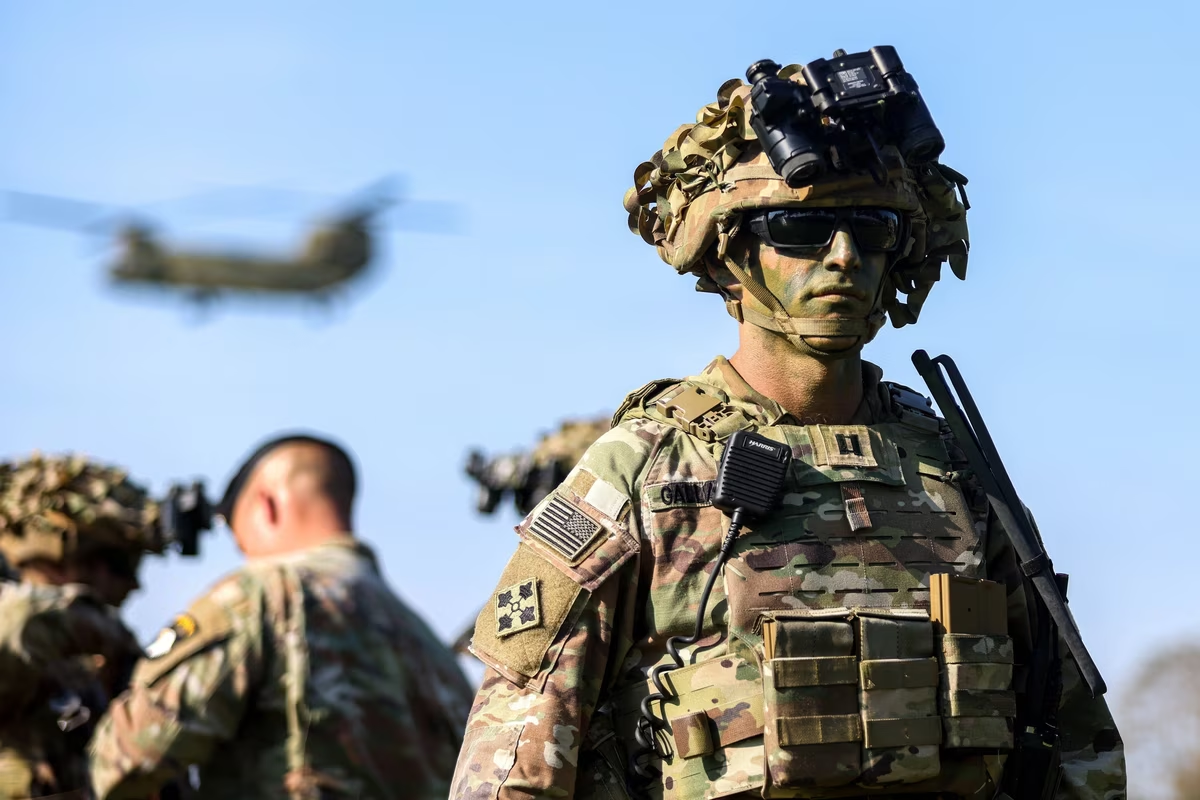
In a new indication of escalating regional tension, the United States on Wednesday began withdrawing some of its forces stationed at several military bases in the Middle East, a move coinciding with European intelligence assessments suggesting the possibility of a US attack on Iran within the next twenty-four hours. European officials told "Reuters" (Wednesday evening) that the ongoing military movements reflect field preparations for the potential slide into a direct confrontation.
These developments recall the scene before the twelve-day US-Israeli war against Iran in June 2025, when Washington then partially evacuated its forces from sensitive bases in the region in anticipation of an Iranian response. It appears that President Donald Trump's administration is adopting the same scenario today, albeit in a more complex context, given the shift in deterrence balances and the expansion of potential targeting areas.
Among the most prominent bases where the US military presence is being reduced is Al Udeid Air Base in Qatar, which is considered one of the most important pillars of the US military deployment in the Gulf. This base was subjected to a direct Iranian missile attack last June, in response to a US bombing targeting nuclear facilities inside Iran. Tehran had preceded that attack by informing Washington through indirect channels, which allowed US forces sufficient time for partial evacuation and preparation to intercept missiles.
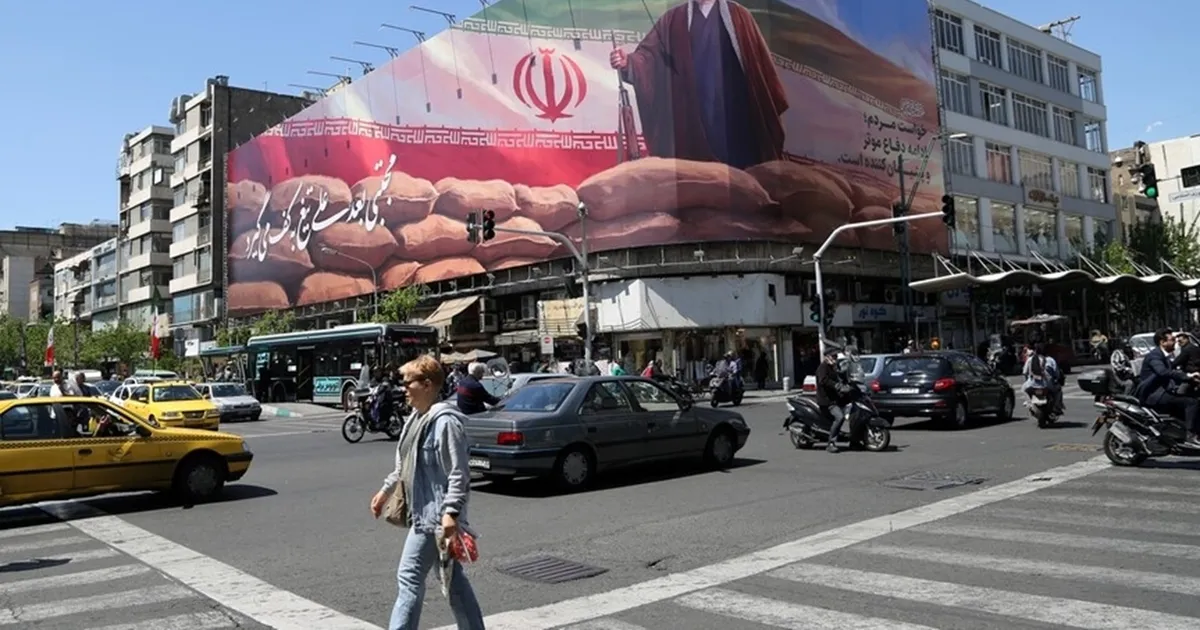
However, current Iranian warnings suggest that any upcoming confrontation will be different in terms of rules of engagement. Iranian officials assert that the response to any new US strike will include targeting US military bases and ships deployed in the region, without prior warning this time, which raises the probability of casualties and complicates deterrence calculations.
In this context, Ali Shamkhani, assistant to Iran's Supreme Leader Ayatollah Ali Khamenei, wrote on "X" on Wednesday, criticizing the repeated American rhetoric about "preemptive strikes." He said: "The American president, who constantly repeats the futile narrative of attacking Iranian nuclear facilities, would do better to also recall the bombing of the #AlUdeid American base with Iranian missiles." Shamkhani, who survived an Israeli assassination attempt during the twelve-day war, added that "recalling that incident is sufficient to create a realistic understanding of Iran's will and ability to respond to any aggression."
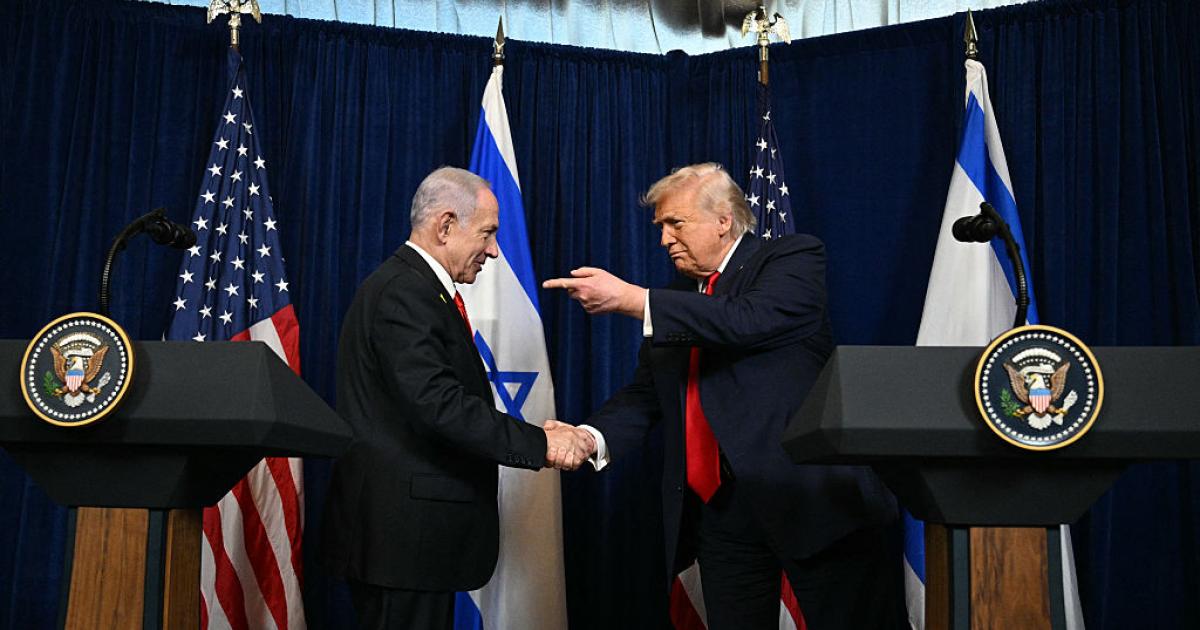
In contrast, US President Donald Trump appeared to disregard these warnings, saying on Tuesday: "Iran said the same thing the last time I bombed them." On the same day, Trump held a closed meeting at the White House with his top national security and defense advisors, dedicated to discussing potential scenarios for dealing with Iran.
The "New York Times" quoted US officials as saying that intelligence assessments indicate that any US strike will likely be met with an Iranian missile response targeting Al Udeid Base, and possibly other US bases in Iraq and Syria. The newspaper confirmed that this assessment was the focus of extensive discussion within the White House on Tuesday evening.As for the "Washington Post," it quoted a US official as saying that the Trump administration "simply does not possess sufficient military assets in the region to carry out a comprehensive strike without risking retaliation," especially after withdrawing some military capabilities for use in other operations, including US movements against Venezuela. Nevertheless, the United States still maintains at least three naval destroyers equipped with guided missiles in the region's waters, in addition to the capability of B-2 strategic bombers, which previously launched from bases within US territory to carry out long-range strikes.
Recent US movements reflect a logic of "risk management" more than a readiness for an all-out war. Evacuating bases does not necessarily mean an intention to attack, but rather may be a dual deterrent message: reducing potential losses, and keeping the option of a strike open without getting involved in uncontrollable escalation. However, this approach simultaneously reveals the limits of American power in an increasingly hostile regional environment, where military dominance alone is no longer sufficient to impose equations.
In contrast, Iran appears confident in its ability to raise the cost of any US attack, based on the June 2025 experience which, albeit partially, broke the image of absolute American superiority. The threat of no prior warning this time indicates a strategic shift in Iranian doctrine, from calculated response to shocking response. Between this and that, the region stands on the brink of an escalation that no one may want, but which could erupt due to a single miscalculation.

ARAB AND WORLD
Thu 15 Jan 2026 2:07 pm - Jerusalem Time
United States redeploys forces in the Middle East amid anticipation of a potential strike against Iran
Tags
MORE FROM ARAB AND WORLD
Share your opinion
United States redeploys forces in the Middle East amid anticipation of a potential strike against Iran