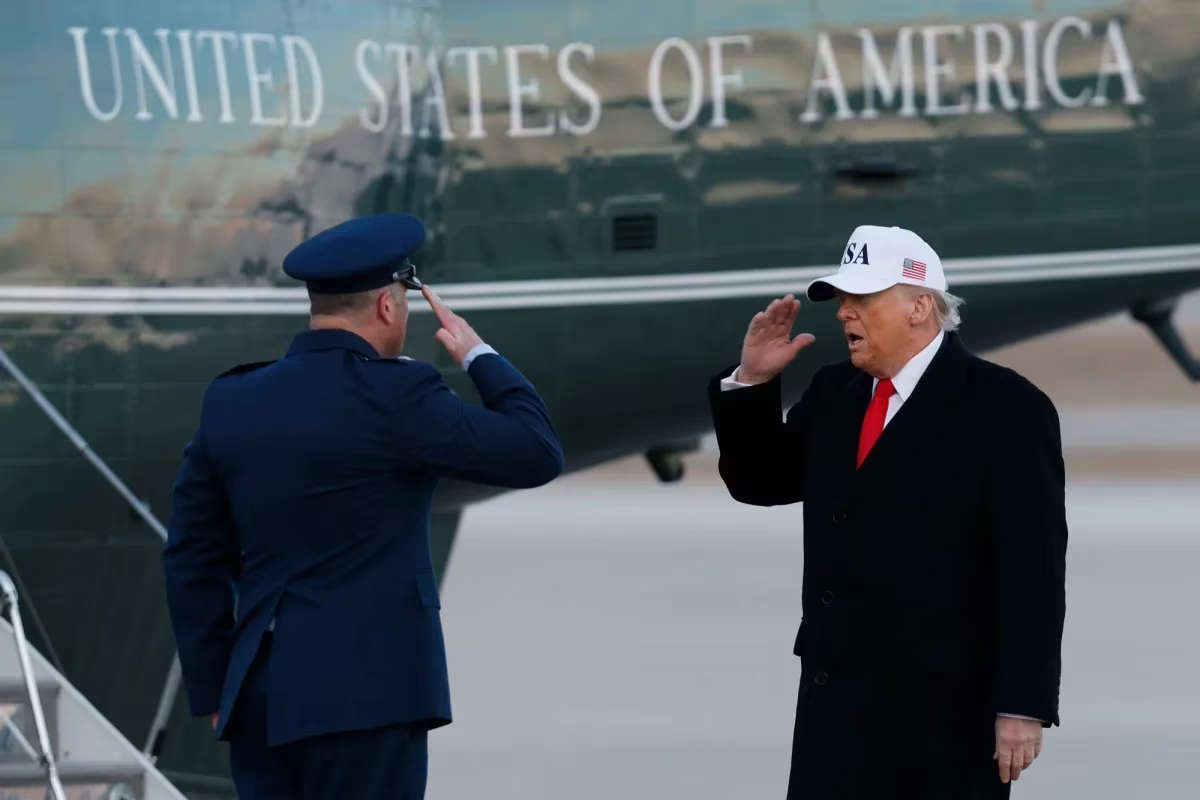







The United States brought the international debates over the bloody popular protests in Iran to the Security Council chamber, opening the door - even if temporarily - to the intensive diplomatic efforts currently being made by many countries, but while continuing the American military buildup, which provides multiple options for President Donald Trump after he hinted in recent days at striking and imposing additional sanctions against the Iranian regime.
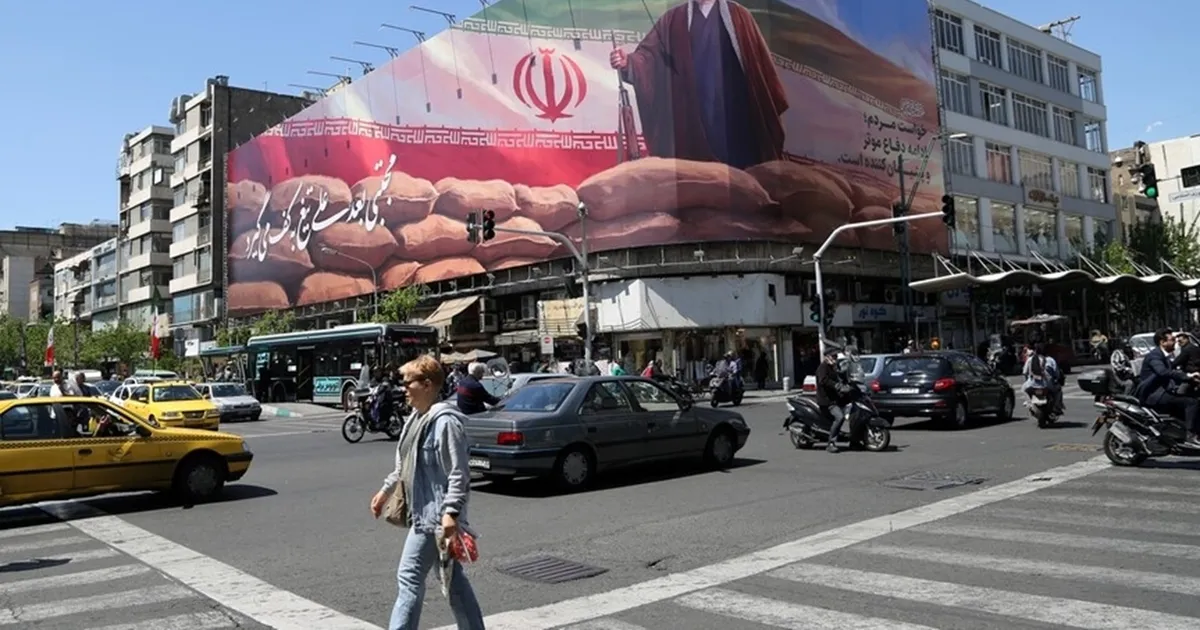
Based on an urgent American request submitted on Wednesday night, the Security Council decided to hold an emergency meeting on Iran on Thursday afternoon. This came after President Trump made a series of vague statements regarding the nature of the measures the United States could take against Iran after he promised the protesters there that “help is on the way” to them, and that his administration “will act” to respond to the bloody crackdown launched by the Iranian authorities, which has led to the death of at least 2615 people in the past few weeks, according to initial estimates by human rights organizations.
Referring to reports of preparations for the execution of a citizen named Irfan Sultani (26 years old), Trump confirmed that one of the Iranian protesters was no longer sentenced to death, saying: “That’s good news. We hope the situation continues this way!” In response to a question about the source of his information, Trump said: “Very important sources on the other side.” While he did not rule out the possibility of military action by the United States, he added: “We will monitor developments,” before indicating that his administration had received a “very good report” from Iran.
A newspaper reported that “Trump’s statements can be interpreted as a retreat from any imminent plans for an attack.” However, it mentioned that prior to the American raids on Iranian nuclear sites last June, Trump issued a statement saying that he would make a decision “within the next two weeks,” knowing that he had actually made up his mind to carry out the attack.
A senior American official quoted that Trump did not rule out the military options presented by his leaders in recent days, adding that whether or not to issue any military orders depends on what the Iranian security services will do later. The highest alert for long-range bombers was announced in the United States in preparation for launching strikes when needed, but “this measure seems to have been temporarily halted as of Wednesday afternoon,” according to another American official.
However, influential Republican Senator Lindsey Graham criticized some headlines in major newspapers that spoke of President Trump backing down from his hardline stance on Iran, describing them as “inaccurate.” He said: “Quite the opposite… Just wait.” He wrote in a post on “X”: “All headlines of this type are examples of absolutely inaccurate news reports. The circumstances surrounding the necessary and decisive actions that must be taken against the evil Iranian regime have nothing to do with President Trump’s will or determination. Nothing could be further from the truth.” Referring to the headline: “Trump backs down on Iran,” Graham wrote: “All headlines written in this style are examples of highly inaccurate reports.”
The US Navy currently has three missile-equipped destroyers in the Middle East, including the aircraft carrier “USS Theodore Roosevelt,” which entered the Red Sea in recent days. The Navy also has at least one missile-equipped submarine in the region, according to officials at the US Department of Defense, which has provided President Trump with a wide range of options, including potential targets within the Iranian nuclear program and ballistic missile sites.
US officials attributed the small number of US warships in the Middle East to the recent widespread deployment in the Caribbean. It was reported that “other options, such as a cyber attack or a strike targeting the Iranian internal security apparatus, which uses lethal force against protesters, seem more likely.” The newspaper published another analytical article that the United States’ allies in the region “do not support any American military action there” for fear that “the repercussions of escalating US-Iranian tensions, or the possibility of state collapse in Iran, would harm their security.” It added that “the reason is also that some Gulf governments have come to view Israel (…) as a hostile state seeking to dominate the Middle East. It is believed that Israel may pose a greater threat to regional stability than Iran.”
Meanwhile, the Group of Seven (G7) major industrialized nations condemned the “brutal repression” practiced by the Iranian authorities against their citizens, affirming their readiness to impose additional sanctions on Iran. Indeed, the United States on Thursday imposed new sanctions that included five Iranian officials accused of being behind the suppression of protests, warning that it was tracking financial transfers by Iranian leaders to banks around the world.
The US Treasury Department said in a statement that it had imposed sanctions on Ali Larijani, Secretary of the Supreme National Security Council, as well as leaders in the “Revolutionary Guard” and law enforcement forces, accusing them of orchestrating the crackdown. Treasury Secretary Scott Pisent said Washington’s message to Iranian leaders was clear: “The US Treasury Department knows that you, like rats on a sinking ship, are frantically transferring stolen money from Iranian families to banks and financial institutions around the world. Rest assured that we will track it and we will track you.” He affirmed that the United States “stands firmly with the Iranian people in their demand for freedom and justice.”
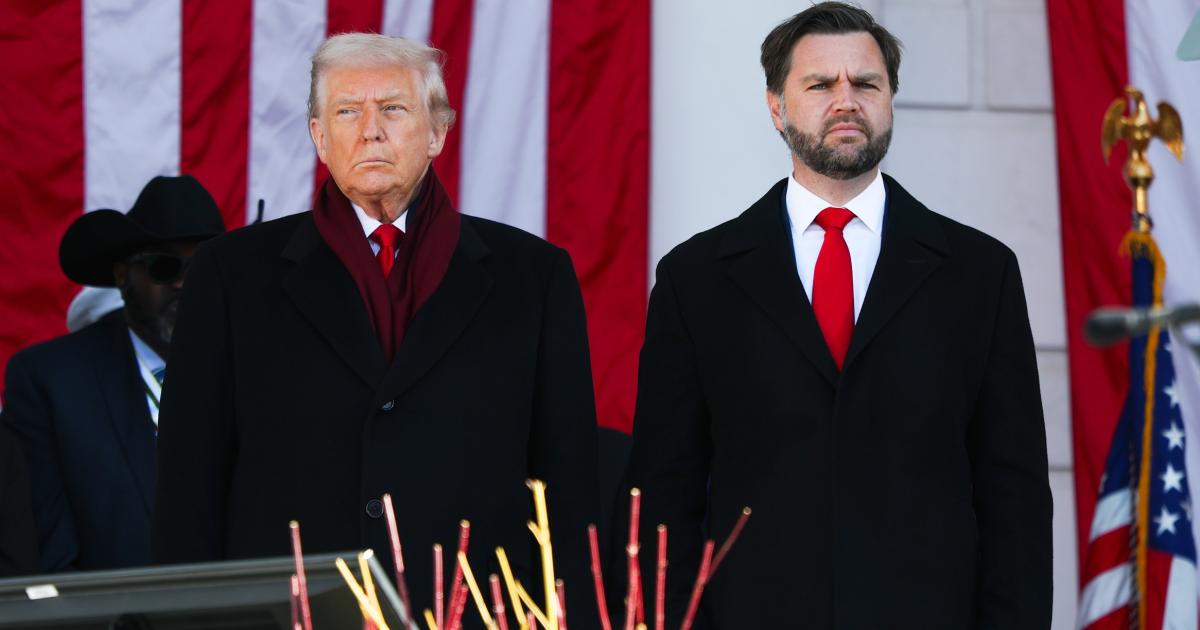
Trump: “Help is on the way” for protesters in Iran, and his administration “will act” to respond to the bloody crackdown.
Share your opinion
Trump opens door to diplomacy with Tehran… and keeps military option open