






Washington – Said Arikat
Informed sources reported on Thursday that the United States will not exert the necessary pressure on Israel to force it to maintain the truce in the Gaza Strip, despite the announcement by the US President's envoy, Steve Witkoff, on Wednesday (1/26/14) of the launch of the second phase of military operations in the Strip, according to statements by US military official Witkoff. This step comes at a very sensitive time when the Strip is witnessing escalating security tensions, amid growing fears of an exacerbation of the humanitarian crisis and a rise in civilian casualties as a result of the ongoing conflict.
The second phase, according to officials' statements, may include new military and strategic movements whose full details have not yet been revealed, but local sources indicate the possibility of escalating operations and targeting specific sites, which may increase the suffering of civilians and deepen the humanitarian crisis. Security experts believe that the continuation of operations without strict international pressure weakens the chances of de-escalation and threatens the stability of the Strip in the short and medium term.
It is worth noting that in this context, the issue of the recently announced Palestinian technocratic committee is shrouded in ambiguity, as it is not yet clear who is directly responsible for it and to whom it reports. However, informed sources confirmed that US President Donald Trump, who will assume the presidency of the so-called "Gaza Peace Council," will be the direct authority responsible for the committee's work. The sources stated that members of the Gaza Strip management committee have begun arriving in Cairo in preparation for participating in the upcoming meetings regarding the arrangements for the civil administration of the Strip during the next phase.
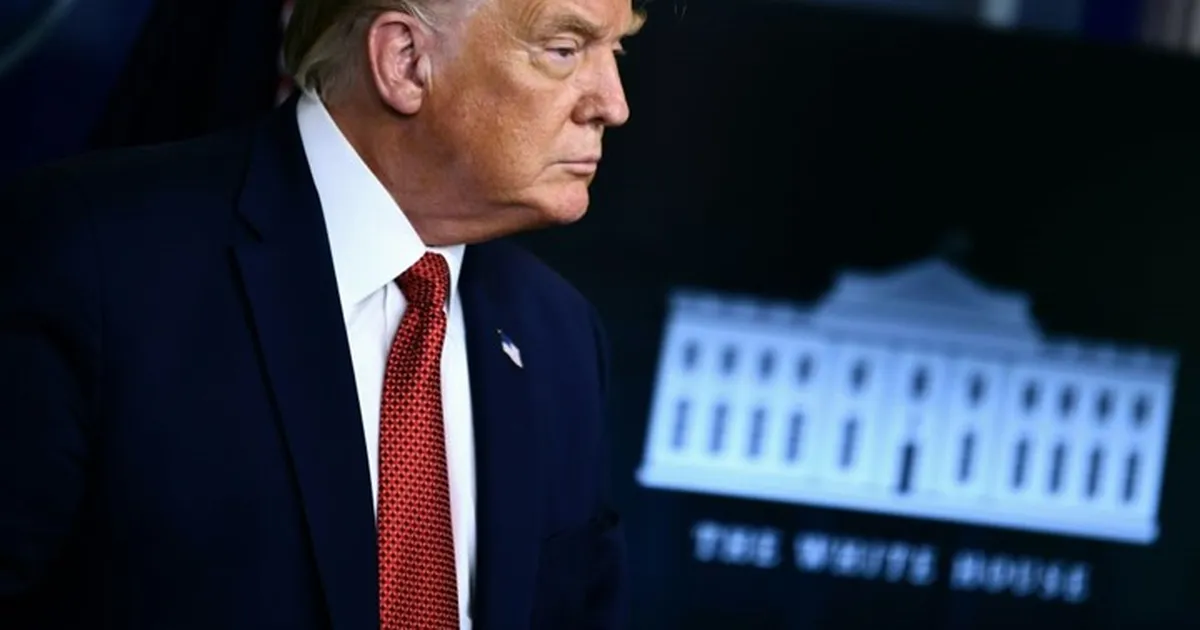
President Trump is expected to clarify these matters at the Davos Forum next week, where he will participate in the forum on Wednesday, January 21, which marks one year since he took office at the White House.
Regarding the structure of the Palestinian National Committee, sources indicated that Dr. Ali Shaath will serve as the head of the committee and will be responsible for the energy and transport portfolios, while Dr. Bashir Al-Rayes will handle the financial portfolio, Dr. Jabr Al-Daour the education portfolio, and Dr. Ayed Yaghi the health portfolio. Rami Helles will be responsible for religious affairs, Dr. Ali Barhoum for water and municipalities, Adnan Abu Wardeh for justice and judiciary, Hana Tarazi for social affairs, Osama Al-Sidawi for land and housing, and Abdul Karim Ashour for agriculture, in addition to Dr. Ali Shaath temporarily overseeing the energy and transport portfolios, Omar Shamali for telecommunications, and Ayed Abu Ramadan for economic, trade, and industry portfolios, while Husni Al-Mughni will handle tribal affairs, and Major General Sami Nesman will handle internal affairs. The sources confirmed that the upcoming meeting will discuss the committee's work mechanisms, determine the priorities of the first phase, and discuss ways to coordinate efforts with regional and international parties, ensuring the continuity of basic services and the reorganization of civil administration in the Strip, under broader international and regional arrangements to establish a technocratic civil administration, based on professional competence and meeting the living and service needs of the population in light of the complex humanitarian and economic conditions.
The US State Department affirmed the United States' support for Israel in what it considers "legitimate security necessities," without direct intervention in ensuring adherence to the truce. This policy reflects the complex balance between the close strategic partnership with Tel Aviv and international obligations towards protecting civilians. International experts believe that this position reinforces Israel's feeling of freedom to make military decisions without accountability, which may affect the future dynamics of the conflict and further complicate the tasks of any new Palestinian committee attempting to manage the situation in Gaza.
According to experts, the American position clearly illustrates the contradiction between strategic support and diplomatic reservation, and that not pressuring Israel may be understood as implicit approval of breaking the truce, which puts Washington in the face of growing international criticism. This fragile balance between the security alliance with Israel and humanitarian accountability reflects the major challenges of US policy in the Middle East, and highlights the difficulties Washington faces in reconciling its strategic interests with its moral obligations towards civilians affected by the conflict, including the technocratic committee.
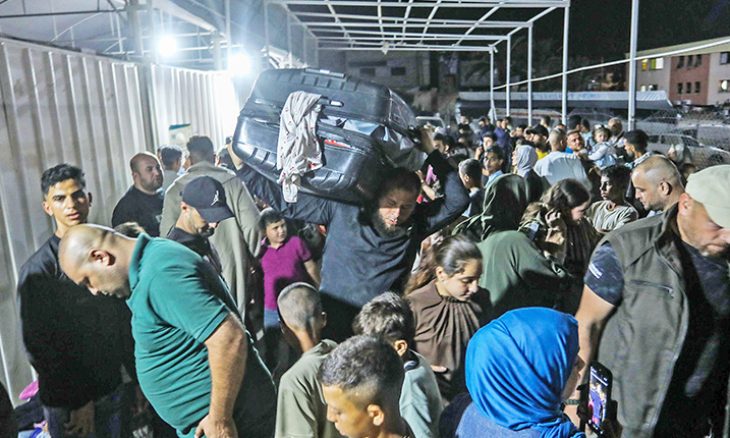
On another note, Palestinians in Gaza are living in tragic conditions as a result of the long siege and lack of basic services. Any additional military escalation could lead to mass displacement and an exacerbation of the humanitarian crisis, increasing pressure on international and local organizations to provide support, and putting the international community to a real test of its ability to protect civilians and alleviate their suffering amid escalating military operations, while the fate of any Palestinian body under American supervision remains ambiguous and controversial.
Moreover, the United States' disregard for potential threats to break the truce could have far-reaching consequences for the course of the conflict. It gives Israel a wider margin for military action without accountability, and reduces the effectiveness of the international community as a balancer. This situation could complicate opportunities for de-escalation, and push Palestinians to rely more on regional and international support to mitigate the effects of military operations, which further complicates future political solutions and makes achieving lasting peace more difficult, deepening the cycle of ongoing conflict in the region, and increasing the ambiguity surrounding the new technocratic committee.
Observers believe that the second phase could be a real test for US policy in the region, especially with increasing international pressure on Washington to play a more effective role in protecting civilians. Any additional escalation will undoubtedly lead to widespread diplomatic repercussions, including condemnations from the United Nations and European Union countries, and perhaps strained relations with some Arab countries, which further complicates the political and security landscape in the region, and places the technocratic committee under strict and unclear scrutiny.
In conclusion, the current crisis in Gaza stands out as a stark demonstration of the fragility of the balance between strategic considerations and humanitarian dimensions. The focus on supporting Israeli security without regard for the repercussions of operations on civilians reflects significant challenges for the international community, and makes any efforts to achieve a sustainable de-escalation or a lasting political solution more complex. The continuation of the second phase without effective intervention could lead to an exacerbation of the humanitarian crisis, and increase the suffering of the population in the Strip, with long-term effects on regional stability, and further obscures the role of any Palestinian committee under American supervision.

Share your opinion
Washington will not force Israel to abide by the truce despite the launch of the second phase in Gaza