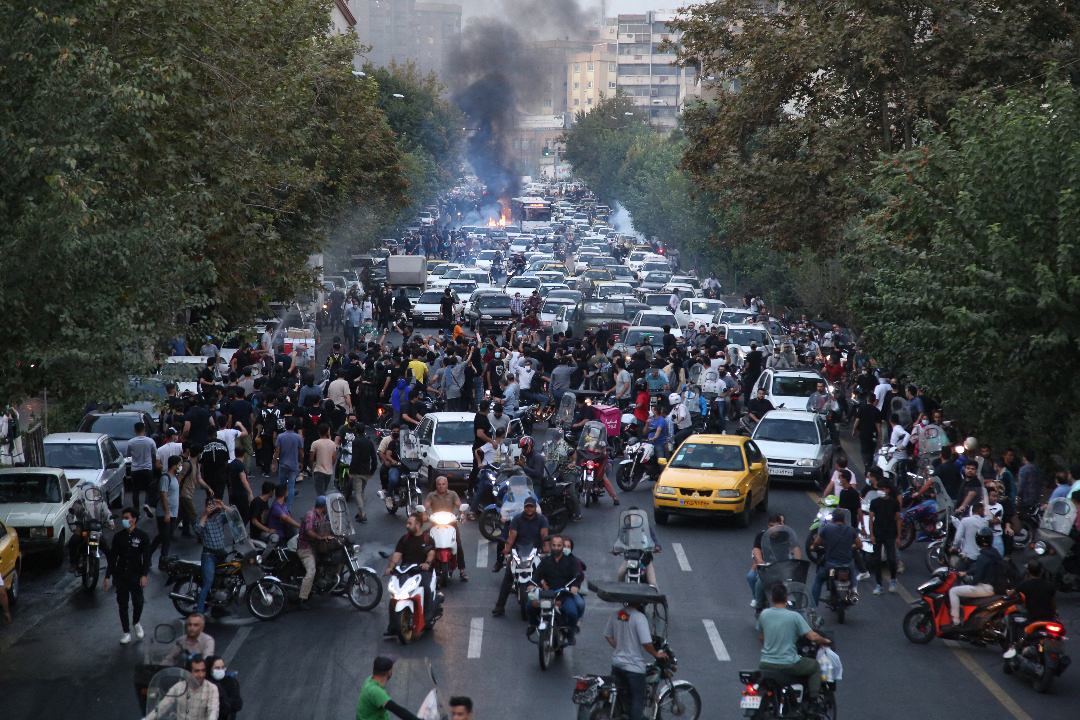







Late on Monday, the administration of US President Donald Trump asked American citizens to leave Iran immediately.
The US State Department said in a notice, a copy of which Al-Quds newspaper in Washington received: "Dual American-Iranian citizens should leave Iran using Iranian passports," warning that the Iranian government does not recognize dual nationality, "and will deal with dual American-Iranian citizens exclusively as Iranian citizens," warning that "American citizens in Iran face significant risks including interrogation, arrest, and detention. Displaying an American passport or showing any ties to the United States may be sufficient reason for Iranian authorities to detain a person."
The notice stated: "The US government cannot guarantee your safety if you choose to leave using the following options. You should only leave if you believe it is safe to do so; as of Monday, January 12, the Agarak/Norduz land crossing in Armenia remains open. American citizens entering Armenia from Iran with a valid American passport can stay for up to 180 days without a visa."
It is worth noting that at the peak of escalating popular protests in Iran, the White House reiterated that the option of directing air strikes against Tehran remains on the table, at a time when the administration of US President Donald Trump is trying to balance military pressure with opening a conditional diplomatic window. This dual stance reflects a traditional American strategy based on keeping all options available, in light of a highly sensitive regional scene.
White House spokeswoman Caroline Leavitt stressed on Monday that President Trump "is good at keeping all options on the table," considering that air strikes are only one of the scenarios that the Commander-in-Chief might resort to. However, she affirmed, at the same time, that diplomacy remains the President's first option, despite what she described as the sharp contradiction between the Iranian regime's public rhetoric and the messages sent through back-channel communications.
This American verbal escalation comes against the backdrop of human rights reports indicating that about 500 protesters have been killed during the crackdown carried out by Iranian authorities against protests that have been ongoing for more than two weeks. These figures prompted Trump to threaten to cross the "red line," considering that what is happening in the streets of Tehran might warrant a "very strong" response.
In contrast, Tehran announced that it is ready for war and negotiation simultaneously, in a dual message reflecting the nature of Iranian political behavior in major crises. The Iranian Foreign Ministry confirmed the existence of an open communication channel with US Special Envoy Steve Witkoff, indicating that public escalation does not necessarily mean closing the doors to understanding.
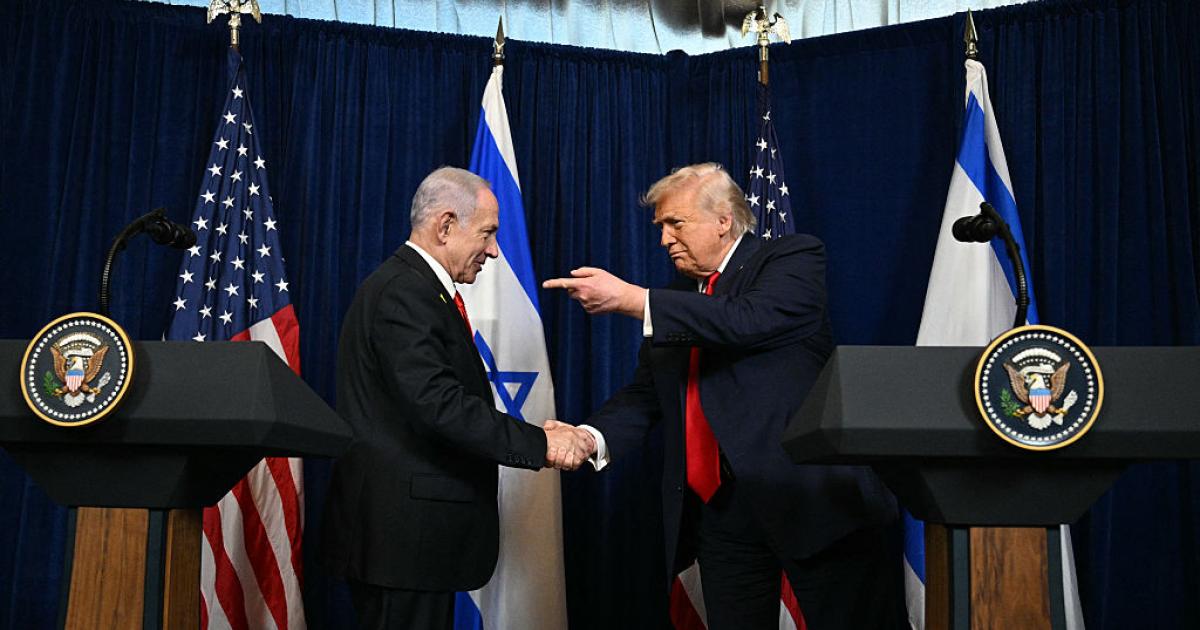
The US President, in turn, indicated, during his conversation with journalists on board Air Force One, that Iranian leaders had contacted him directly seeking a negotiating meeting, but he did not rule out military action before any meeting. This contradiction between calling for dialogue and readiness to use force reflects the state of hesitation that characterizes American decision-making in complex Middle East issues.
For his part, Iranian Defense Minister Aziz Nasirzadeh escalated his rhetoric, threatening "painful military surprises" if his country was subjected to any attack. He went further by considering that any country that facilitates or supports an attack on Iran would become a legitimate target, in a deterrent message directed at Washington and its regional allies.
The current American strategy towards Iran reflects an attempt to manage a multi-level crisis: internal protests, regional conflict, and electoral calculations within the United States. According to experts, threatening force gives Washington additional leverage, but it carries the risks of sliding into an open confrontation whose outcomes are not guaranteed. At the same time, maintaining back-channel communications reveals an American understanding that overthrowing the Iranian regime or changing it by force is not a realistic option in the foreseeable future.
As for the Iranian position, it seems governed by a familiar duality: rigidity in external rhetoric to contain any military pressure, and limited openness to negotiation to alleviate international isolation. However, the new factor in this equation is the extent of internal popular anger, which has become an existential threat to the regime, pushing it towards a security escalation that may increase its isolation rather than fortify it.
In conclusion, the crisis seems poised for further verbal escalation without immediate translation into a comprehensive military confrontation. Washington understands the cost of war, and Tehran knows the limits of its endurance. Between these two, the Iranian street remains the weakest link, paying the price for the conflict of wills between a superpower and a beleaguered regime, while human rights become a political bargaining chip rather than a moral priority.
Share your opinion
Washington threatens force and asks American citizens to leave Iran