






Washington - Said Arikat
Political Analysis
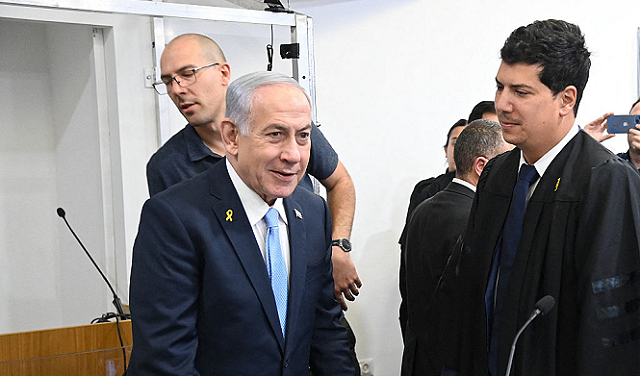
In a historical moment where blood intertwines with politics, and destruction with propaganda, Benjamin Netanyahu appeared in an extended interview with "The Economist" magazine, published on Friday, January 9, attempting to re-market himself and his leadership, not only to Israelis ahead of new general elections, but to a world that now views Israel as a morally ostracized state rather than a "besieged democracy," as he insists on calling it.
Netanyahu, who is preparing to run in elections for the twelfth time and aspires to solidify his record as the longest-serving prime minister in Israel's history, appeared in the interview captive to a single narrative that he repeats with remarkable persistence: that Israel's international isolation is not the result of a war of extermination in Gaza, nor the outcome of military occupation and racist settlement in the West Bank and Jerusalem, but rather the result of a "propaganda war" and "slander" led by hostile forces, driven – according to his logic – by an ancient hatred of Jews.
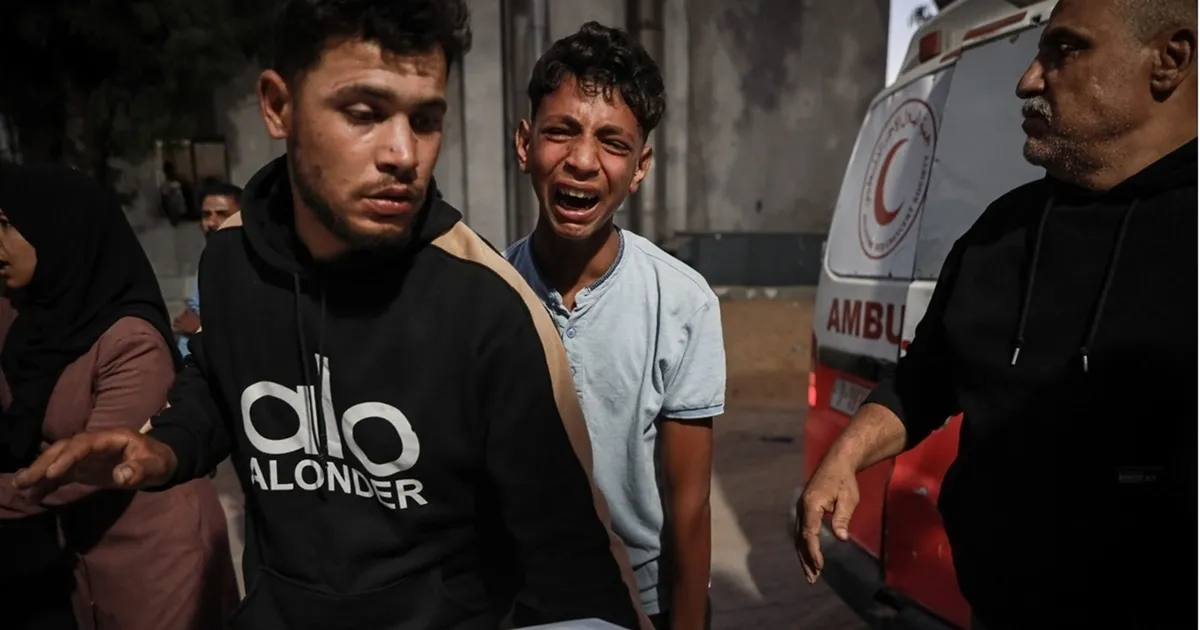
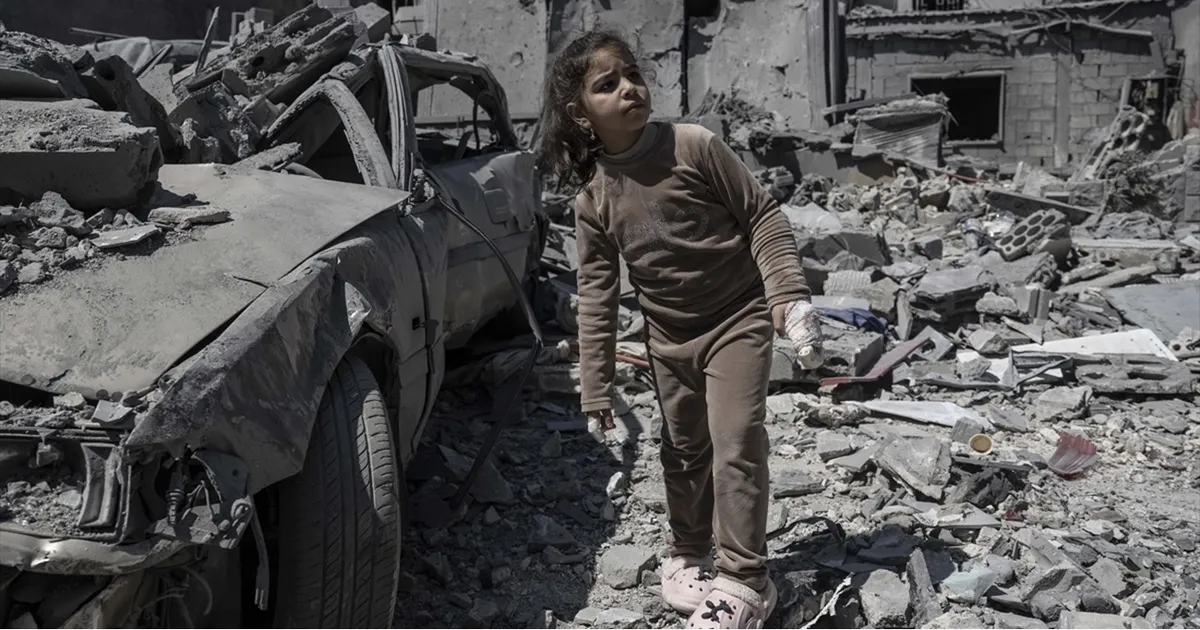
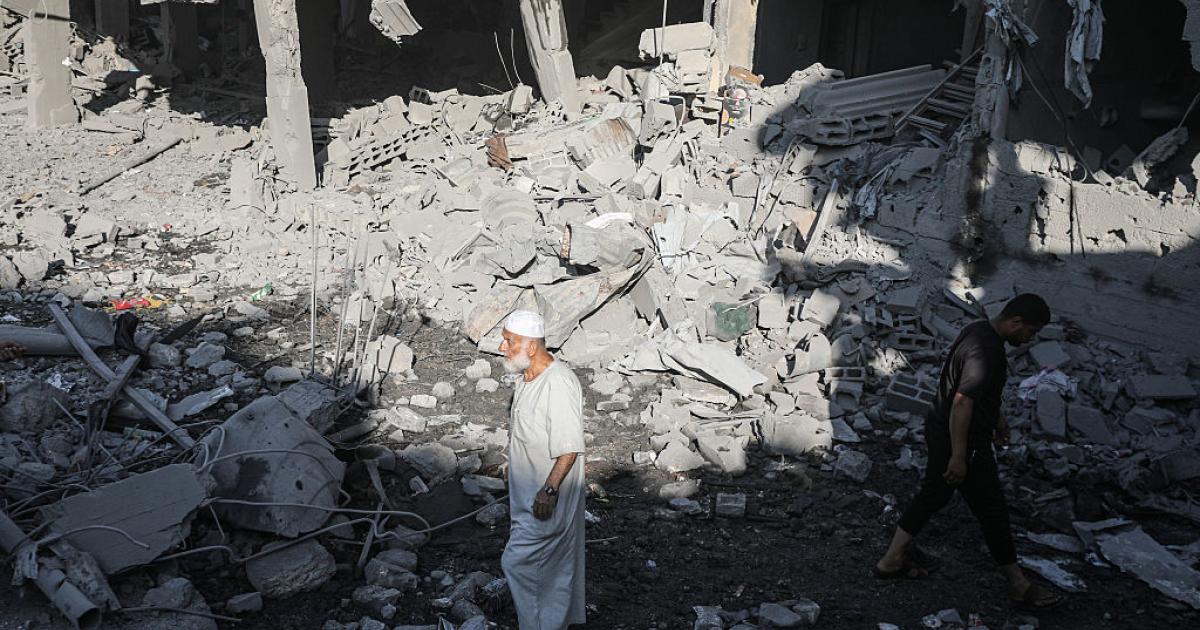
This discourse, which reduces an unprecedented human tragedy to a public relations issue, reveals a deep disconnect from reality. The world has not witnessed "propaganda," but rather cities wiped off the map, hospitals bombed, and children pulled from under rubble. More than seventy thousand dead in Gaza are not a hypothetical narrative or the product of electronic "Bots," but a documented reality reported by international press cameras, United Nations organizations, and relief teams.
Nevertheless, Netanyahu insists that Israel is fighting an unequal battle in the "war of consciousness," using ironic analogies when he says that his country is fighting "with knights against F-35 aircraft" in the media arena. This description does not express media injustice, but rather a moral crisis: the state that possesses one of the most powerful armies in the world, and extensive Western political and military support, assumes the role of a victim because it has failed to justify the killing of civilians.
More dangerously, Netanyahu repeatedly resorts to the "anti-Semitism" card whenever his arguments run thin. In the interview, he reproduced a historical narrative about the persecution of Jews in Central Europe, concluding that the criticisms directed at Israel today are merely an extension of that hatred. This deliberate conflation of Jews as a religious or cultural group with a state that practices occupation and military force not only distorts the truth but also harms the victims of anti-Semitism themselves, when their suffering is exploited to justify contemporary crimes.
Global criticism of Israel today is not based on religious hatred, but on political and legal facts: a long-term occupation, a systematic discriminatory regime, illegal settlement expansion, and a war that has destroyed an entire sector. Turning this criticism into "incitement against Jews" is not a defense, but an evasion of accountability.
Netanyahu also complains about what he calls "impossible standards" imposed on Israel, invoking Winston Churchill and World War II. But this comparison ignores a fundamental truth: Gaza is not a battlefield between equal armies, but a besieged area where more than two million people live without protection. The comparison here is not only wrong but scandalous in its disregard for civilian lives.
Netanyahu believes that a ceasefire will alleviate international pressure, because "media focus will fade." This gamble reflects his firm conviction that global memory is short, and that crimes expire with media obsolescence. But he ignores that what happened in Gaza is no longer just a news event, but has become a symbol of the collapse of the moral system that Israel has long claimed to belong to.
In another context, Netanyahu tries to appear capable of resetting the relationship with the United States, even if it requires reducing American military aid in the future. However, this proposal seems closer to an electoral maneuver than a real strategic shift, especially given the increasing criticism within American public opinion itself of Israel's policies, including within the base that was traditionally considered supportive of it.
As for his talk about Israel "defending Western civilization" in the face of "savage" forces, it is a continuation of an old orientalist discourse, re-dividing the world into a civilized camp and a savage one, and giving Israel an open certificate of innocence no matter what it commits. This discourse loses what remains of its credibility when compared to images of hunger, destruction, and mass graves in Gaza.
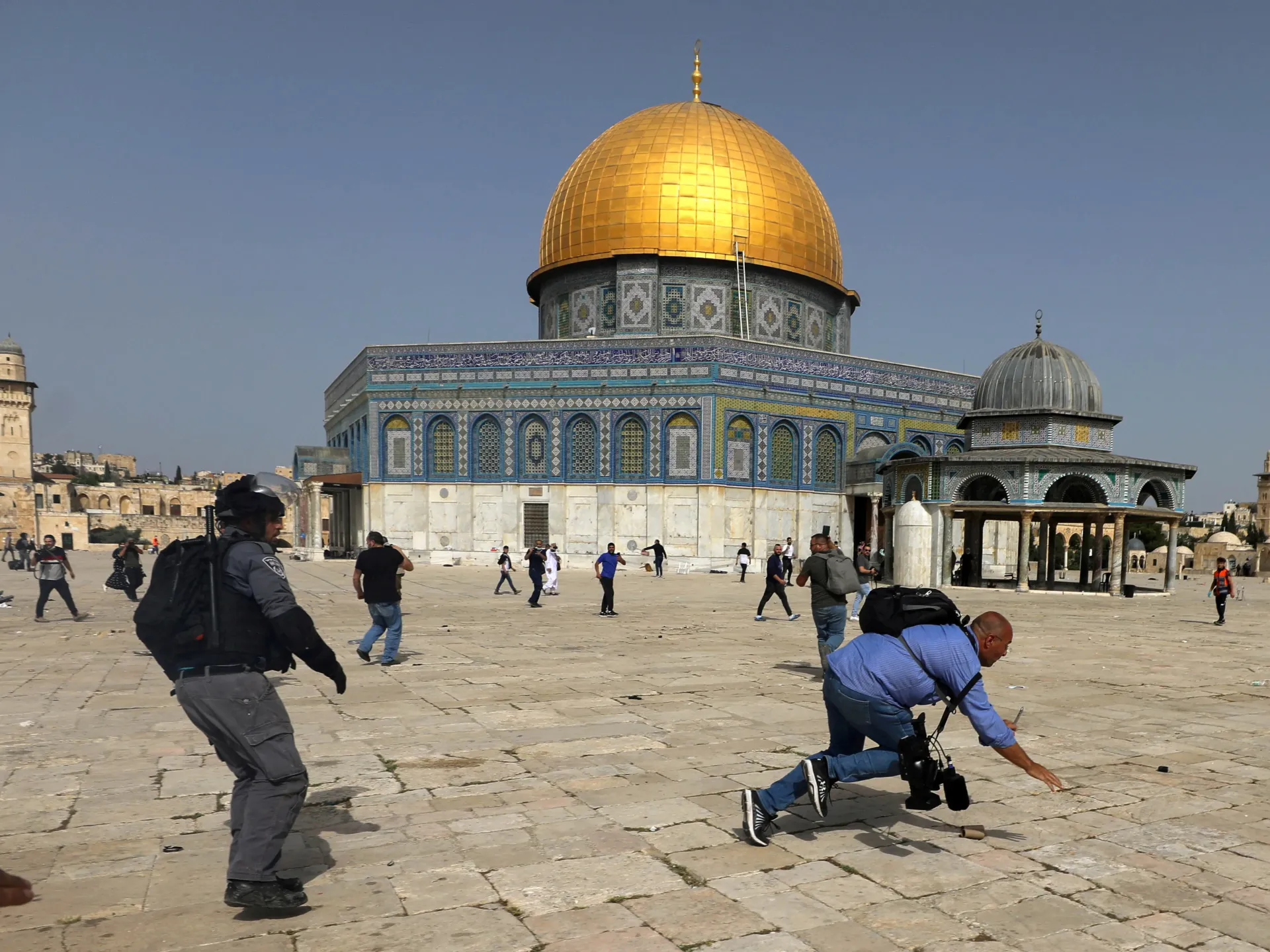
The contradiction becomes sharper when Netanyahu shifts from addressing the West to the Israeli interior. Settlement expansion in the occupied West Bank has reached unprecedented levels during his terms in office, and settler violence has escalated under army protection, while ministers in his government openly speak of annexation. Nevertheless, Netanyahu downplays the importance of the Palestinian issue, claiming that Arab leaders "do not care" about it, a reading that reflects contempt for Arab public opinion and the political reality in the region.
The failure of October 7, 2023, remains a black mark haunting Netanyahu. The man who does not hesitate to attribute successes to himself refuses to bear political responsibility for the biggest security failure in Israel's history. He talks about postponed investigation committees, and distributes blame to agencies and institutions, but he avoids one word: responsibility.
In conclusion, Netanyahu's interview with "The Economist" reveals not a rescue plan for Israel, but a crisis of a leader who refuses to acknowledge that the isolation his state faces is not the result of propaganda, conspiracy, or religious hatred, but a natural consequence of policies of violence, occupation, and extermination. Today's world is no longer content with narratives, but judges actions, and Netanyahu, no matter how loud he raises his voice, is now unable to escape this judgment.

Share your opinion
Netanyahu and the Inverted Propaganda: When Genocide is Justified and the World is Accused