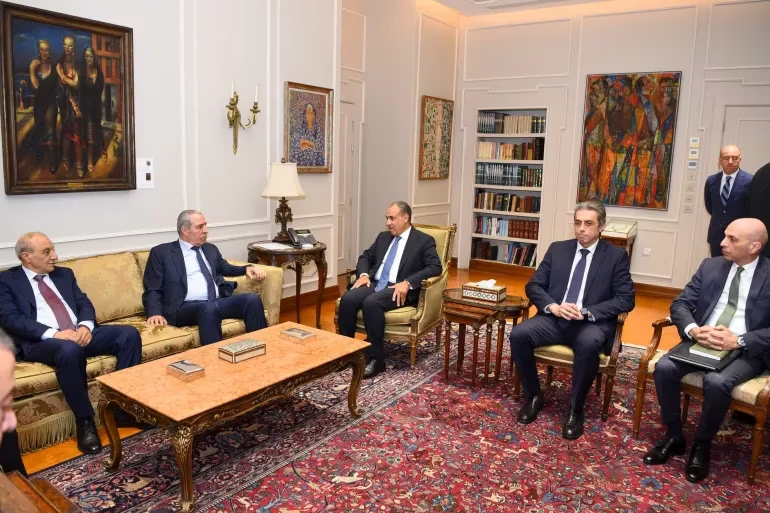







Hussein Al-Sheikh, the Palestinian Vice President, discussed yesterday, Sunday in Cairo, ways to advance towards transitioning to the second phase of US President Donald Trump's plan for ceasefire in the Gaza Strip, at a time when the Islamic Resistance Movement (Hamas) accuses Israel of expanding its violations of the agreement, while Israeli Prime Minister Benjamin Netanyahu insists on the condition of disarming the movement to move to the second phase.
Al-Sheikh said -in a post on his X account- that he met in Cairo, in the presence of the Director of Palestinian General Intelligence Majid Faraj, both the Director of Egyptian Intelligence Hassan Rashad and Egyptian Foreign Minister Badr Abdel Ati, in two separate meetings.
He explained that during the two meetings, they discussed "ways to stabilize the situation in all Palestinian territories, and to advance towards the second phase of Trump's plan and related UN Security Council resolutions", in addition to "enhancing coordination and consultation to face challenges in Palestine and the region".
Violations to sabotage the agreement
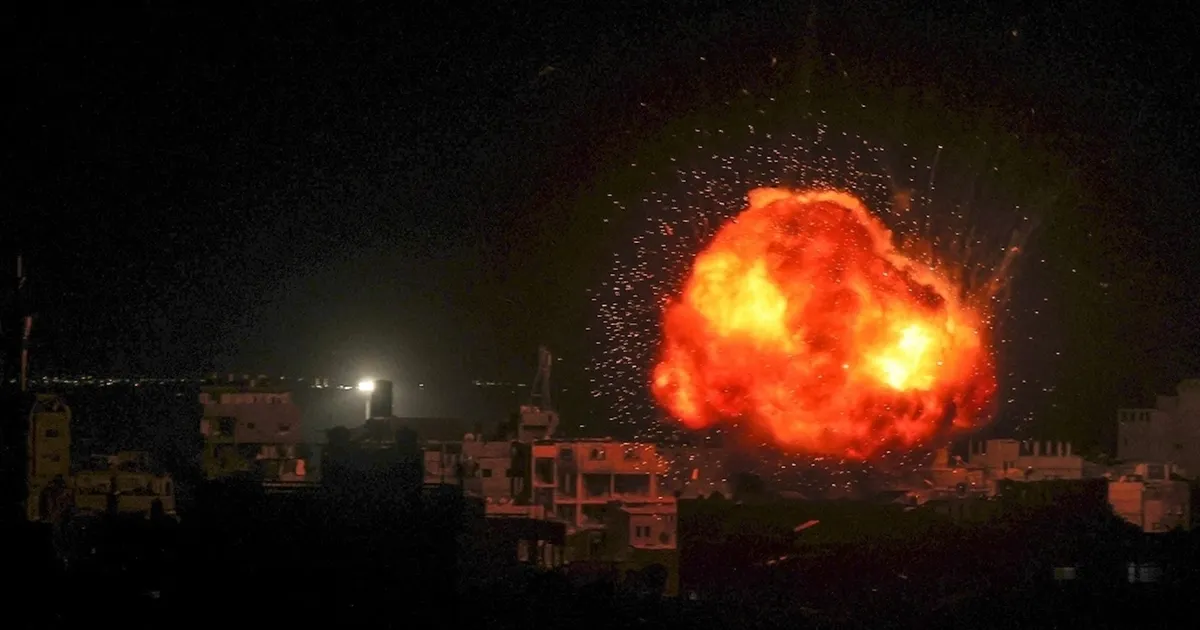
For its part, Hamas said that "the Zionist occupation is expanding its violations of the war ceasefire agreement by escalating operations to kill civilians and removing the yellow line in Khan Yunis south of the sector".
The movement added that "the occupation escalated house demolition operations in the eastern half of the Gaza Strip, continuing the urban genocide and ethnic cleansing", noting that "it still closes the Rafah crossing and restricts the entry of aid, contrary to what was stipulated in the war ceasefire agreement on the sector".
Hamas considered these violations "a systematic policy to sabotage the agreement that all parties approved and signed", calling on mediators, guarantor countries, and parties that met in Sharm El-Sheikh to "pressure the occupation to stop its violations".
Rafah Crossing and Trump's Plan
These Palestinian moves and statements coincided with what the Israeli newspaper Haaretz reported, that the security establishment in Tel Aviv "is finalizing preparations to reopen the Rafah crossing (between Gaza and Egypt) soon, for Gaza residents to enter and exit".
The crossing was scheduled to be reopened in October 2025 as part of the first phase of the ceasefire agreement proposed by Trump, but Israel did not adhere to the agreed timeline.
According to the newspaper, Trump's plan to end the war stipulates that the Rafah crossing be managed "according to the same mechanism that was applied during the ceasefire in January 2025", which was the last time the crossing was opened. Based on that mechanism, forces affiliated with the Palestinian Authority manage the Palestinian side of the crossing, with the assistance of a European force.
Haaretz quoted an unnamed European source saying that "the Palestinian representatives who previously managed the crossing did not wear Palestinian Authority badges, due to Israel's sensitivity towards its presence in the Gaza Strip".
Netanyahu puts obstacles
Meanwhile, Israeli sources said that Netanyahu is holding meetings to discuss transitioning to the second phase of the war ceasefire agreement in Gaza, in light of ongoing contacts with the US administration and regional parties.
During the weekly session of his government, Netanyahu said that US President Donald Trump assured him, during their meeting in Washington last week, that he "will not show any flexibility or concessions regarding disarming Hamas, and that there is no other option for implementing his peace plan in Gaza".
Netanyahu said that Trump was "very decisive in his position regarding Gaza; that disarming Hamas is a necessary and fundamental condition for implementing the 20-point plan for the sector, and there is no other option in this regard".
Since the ceasefire agreement in Gaza came into effect, the occupation has committed hundreds of violations, resulting in the martyrdom of 416 Palestinians and the injury of 1,153 others.
The agreement ended a genocide war launched by Israel on October 7, 2023, lasting two years, leaving more than 71,000 Palestinian martyrs, over 171,000 injured, and massive destruction affecting 90% of the civilian infrastructure, with reconstruction costs estimated by the United Nations at about $70 billion.
Netanyahu was very decisive in his position regarding Gaza; that disarming Hamas is a necessary and fundamental condition for implementing the 20-point plan for the sector, and there is no other option in this regard.
Share your opinion
Hussein Al-Sheikh Discusses in Cairo Ways to Advance to the Second Phase of Trump's Plan for Ceasefire in Gaza