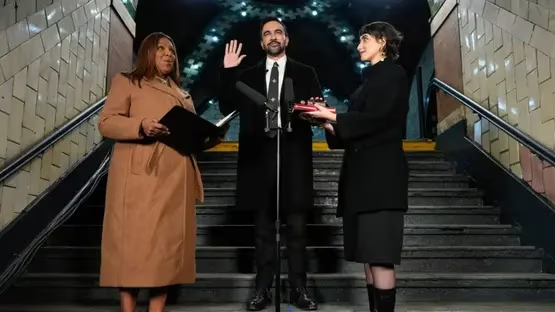







In an early and decisive political move, New York City's new mayor Zohran Mamdani sparked widespread controversy within the United States and abroad, after canceling upon assuming office a set of executive orders issued by his predecessor Eric Adams, which were widely considered biased towards Israel and restrictive to freedom of expression. The decision, which came in the first hours of his term, was met with great welcome from supporters of Palestinian rights, and strong condemnation from the Israeli government and the administration of U.S. President Donald Trump.
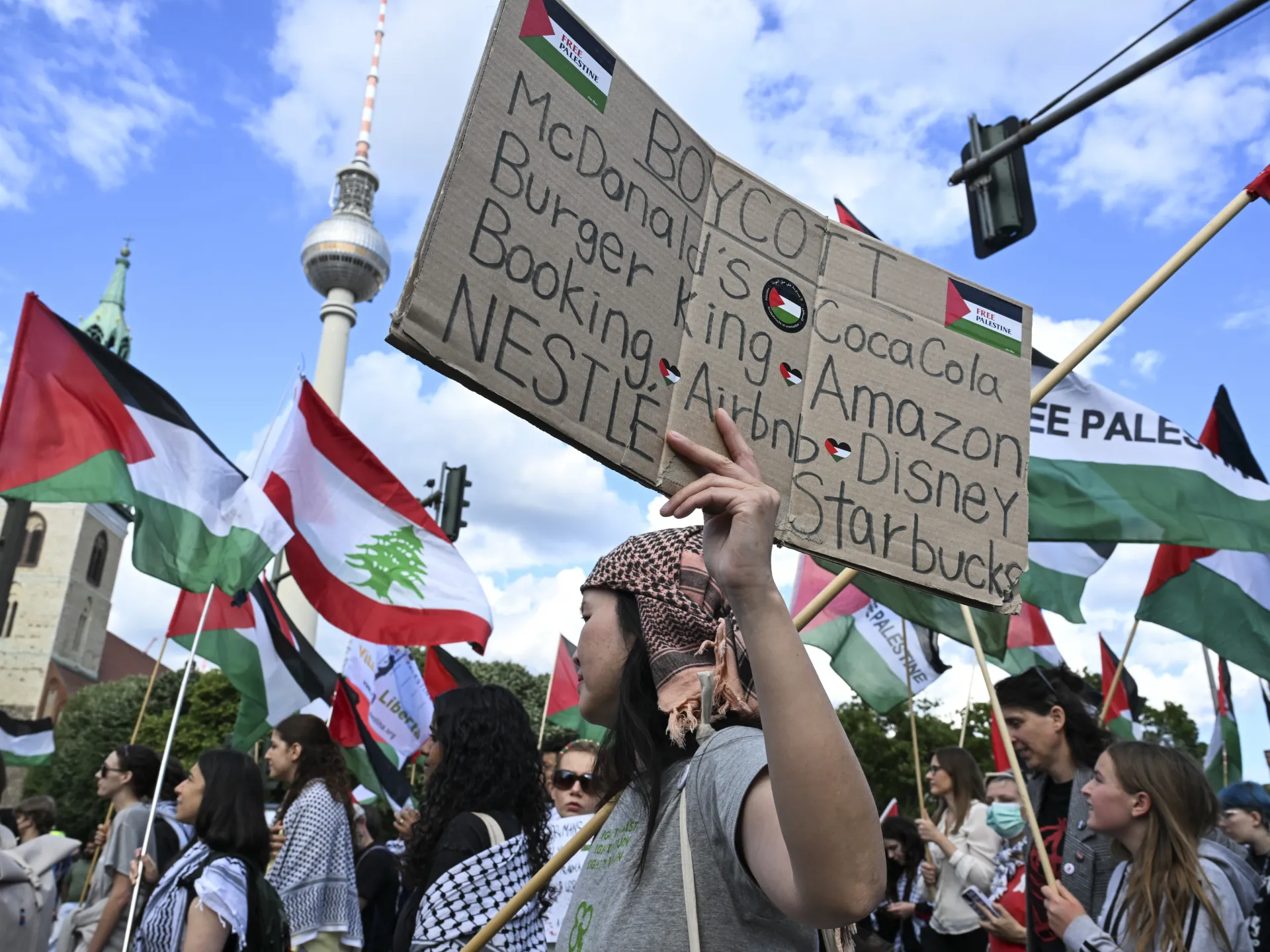
Mamdani, who took the constitutional oath on the first of the new year, canceled all executive orders issued after September 26, 2024, the day on which bribery charges were brought against Adams. Among the most prominent of these orders was a decree prohibiting New York City from entering contracts with entities "that discriminate against the state of Israel or its citizens", including support for boycott campaigns. He also canceled another decree that adopts the definition of the "International Holocaust Remembrance Alliance" (IHRA) for antisemitism, a controversial definition that human rights activists see as being used to criminalize criticism of Israel and link anti-Zionism to antisemitism.
Palestinian and Islamic organizations in New York saw in this step a correction of a deviated constitutional path. Where Nasreen Issa, from the Palestinian Youth Movement in New York, considered that Israel and its supporters have been seeking for years to "criminalize opposition", and that canceling these orders represents protection for the city's residents' rights and the dignity of Palestinians. In turn, Afaf Nashash, director of the New York branch of the Council on American-Islamic Relations (CAIR), described the canceled decree as an unconstitutional attack that puts Israel first at the expense of freedom of expression.
In contrast, the Israeli response came swiftly and sharply. Where the Israeli Ministry of Foreign Affairs said that Mamdani "reveals his true face", and considered his decisions "pouring fuel on the fire of antisemitism". As for Minister of Diaspora Affairs Amichai Chikli, he went further by using language described as Islamophobic, accusing Mamdani of being "sympathetic to Hamas", and linking him to London mayor Sadiq Khan, in reference to what he called "political Islam". These accusations were met with outright rejection, as there are no known connections between the two men and the Muslim Brotherhood.
Activists believe that this Israeli escalation does not actually relate to municipal policies, but to an attempt to control the general narrative amid Israel's declining global image. Nasreen Issa said in a press statement that Israel, after losing in the court of public opinion, has resorted to pushing towards criminalizing discourse critical of it, considering that any support for Palestinians or objection to occupation policies is unacceptable from Tel Aviv's point of view.
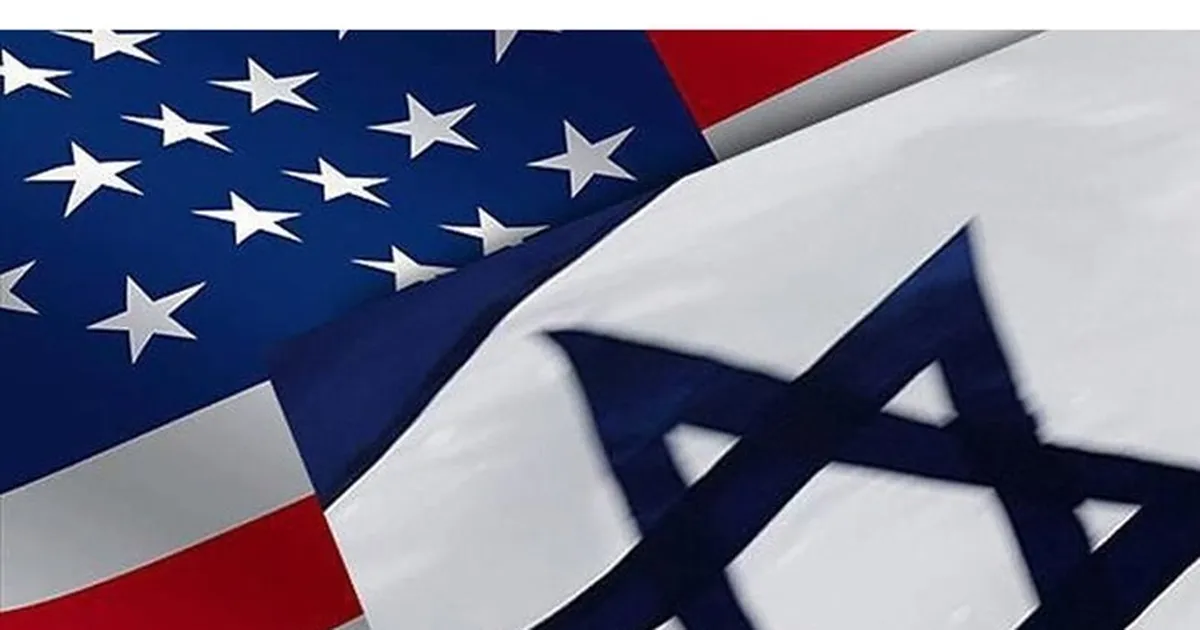
The criticisms did not come from Israel alone, where the Trump administration expressed its concern, and warned Harmit Dillon, Assistant Attorney General for Human Rights, that her department would monitor "any violation of religious freedoms" in New York, threatening investigation and legal prosecution. This position reflected the continuation of interference between federal politics and local debate on the limits of freedom of expression, especially when it comes to Israel.
In the midst of this controversy, Mamdani was keen to affirm that he clearly distinguishes between criticizing the policies of the state of Israel and antisemitism. During his inauguration ceremony, he pledged to maintain the mayor's office for combating antisemitism, confirming that his administration will celebrate and protect the Jewish community. These messages came in the context of his attempt to defuse the accusations that have long pursued him due to his positions supportive of Palestinian rights.
Mamdani's rise represents a notable shift in American local politics. The 34-year-old young man, and first Muslim mayor of New York, took the oath on a copy of the Quran, in a symbolic scene reflecting the city's diversity. Despite his limited fame when announcing his candidacy late in 2024, he succeeded in building a broad popular base by focusing on housing issues and living costs, achieving a resounding victory over former New York Governor Andrew Cuomo in the primaries, then in the general elections.
Some of Mamdani's supporters believe that his explicit support for Palestinian rights played a role in mobilizing voters, especially amid the growing popular anger from Israel's war on Gaza and what many describe as genocide. In contrast, his opponents tried to portray these positions as a political burden, but election results showed that the general mood in New York has become more accepting of discourse that criticizes Israel without it being automatically viewed as antisemitic.
Mamdani's decisions reveal a growing rift in the traditional American consensus on protecting Israel from any institutional criticism. Canceling municipal orders does not have a direct international impact, but it symbolizes a deeper cultural and political transformation, where the automatic link between criticizing Israel and antisemitism is no longer acceptable to broad sectors of public opinion, especially in multicultural major cities.
Experts believe that the angry Israeli response may be a double-edged sword. Instead of deterring American local officials, this escalation may lead to enhancing Mamdani's image as a defender of constitutional freedoms in the face of external pressures. Moreover, employing rhetoric of betrayal and Islamophobia threatens to undermine traditional sympathy for Israel, and gives its opponents more space to affirm their narrative about silencing critical voices.

Share your opinion
Mamdani Cancels Pro-Israel Decrees and Sparks Political Confrontation with Tel Aviv and Washington Over Freedom of Expression