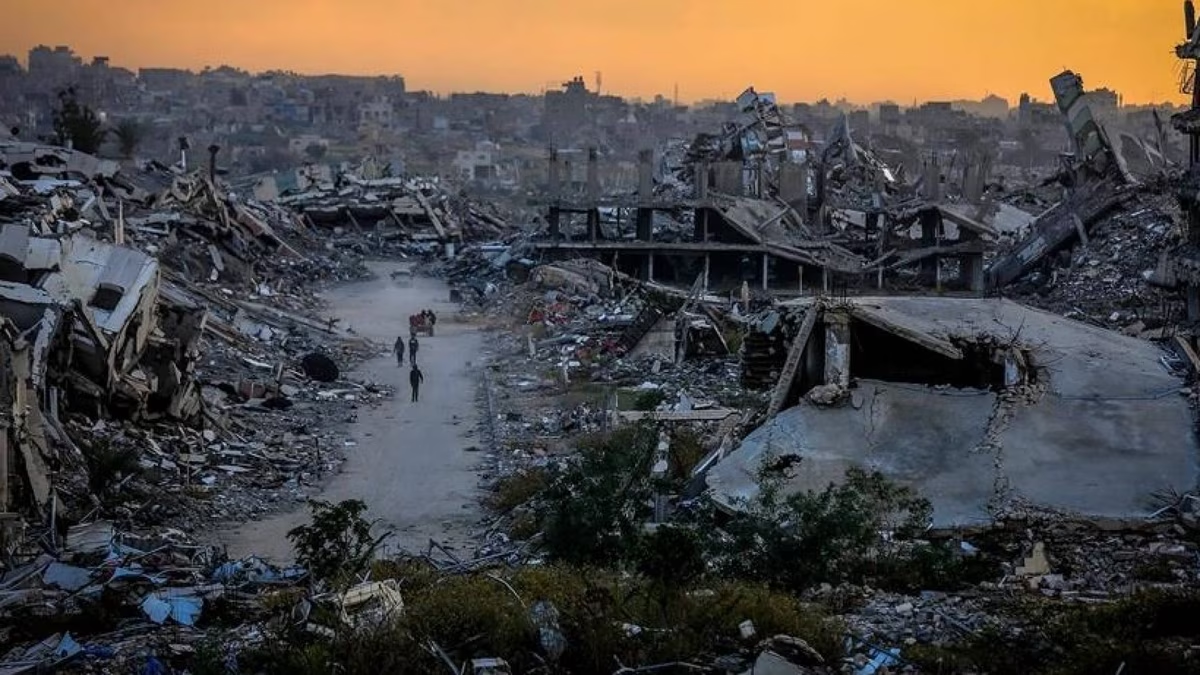







The destruction rate of Gaza City's infrastructure has reached approximately 90%. The year 2025 draws its bloody curtain on the Gaza Strip, leaving behind an unprecedented chapter in the chapters of the Palestinian Nakba, where it was not just another year in the calendar of conflict, but transformed into a stark model of the collapse of the international system and its inability to stop the cycles of genocide and destruction that affected both humans and stones alike.
With the end of this year, Gazans find themselves facing a highly complex geopolitical and humanitarian reality, oscillating between displacement projects and plans for 'international trusteeship'.
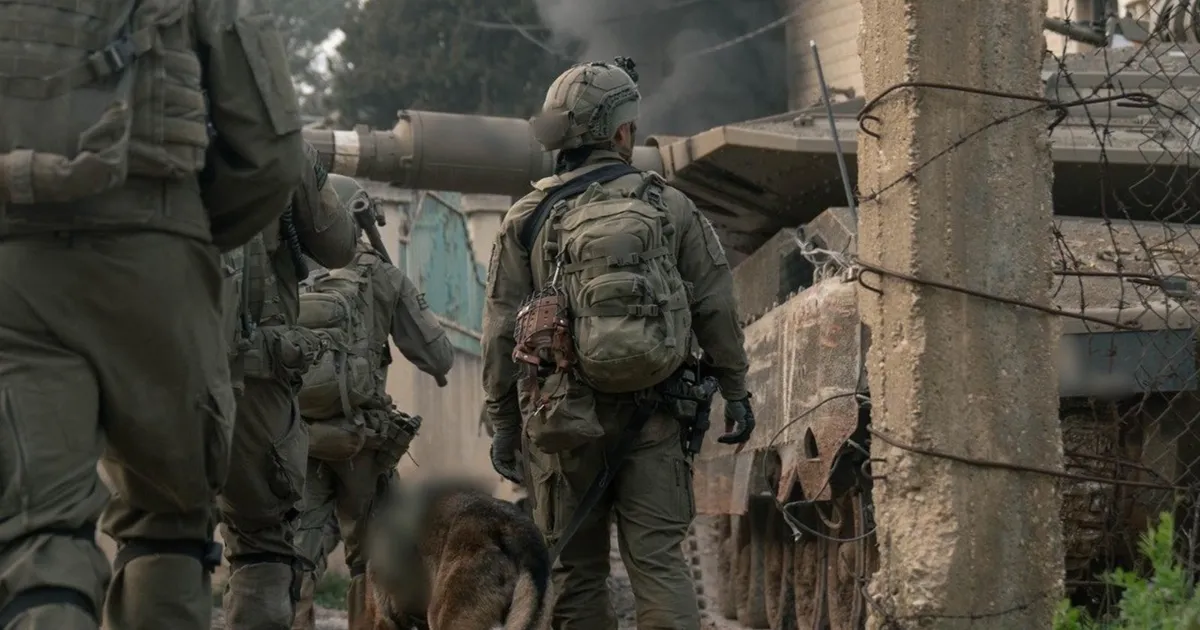
The sector entered this year burdened by the effects of an ongoing genocide war, officially turning it into a 'disaster zone' according to UN classifications, and although the year began with a fragile glimmer of hope represented by the ceasefire agreement in January, that truce was nothing but a 'temporary respite' over the ruins of cities, which quickly dissipated on March 18, when the occupation army resumed its aggression, disregarding its commitments, and confirming the fragility of any path that does not rely on deterrent international guarantees.
The following months witnessed a systematic escalation in policies of killing and destruction, where the occupation employed the weapon of starvation to its maximum extent, prompting the 'Integrated Food Security Phase Classification' to officially declare the outbreak of famine in Gaza City during August.
The alarming statistics indicate the martyrdom of more than 77,500 martyrs and missing persons, including more than 20,000 children, while the destruction rate of civilian infrastructure reached approximately 90%, with reconstruction costs approaching 70 billion dollars.
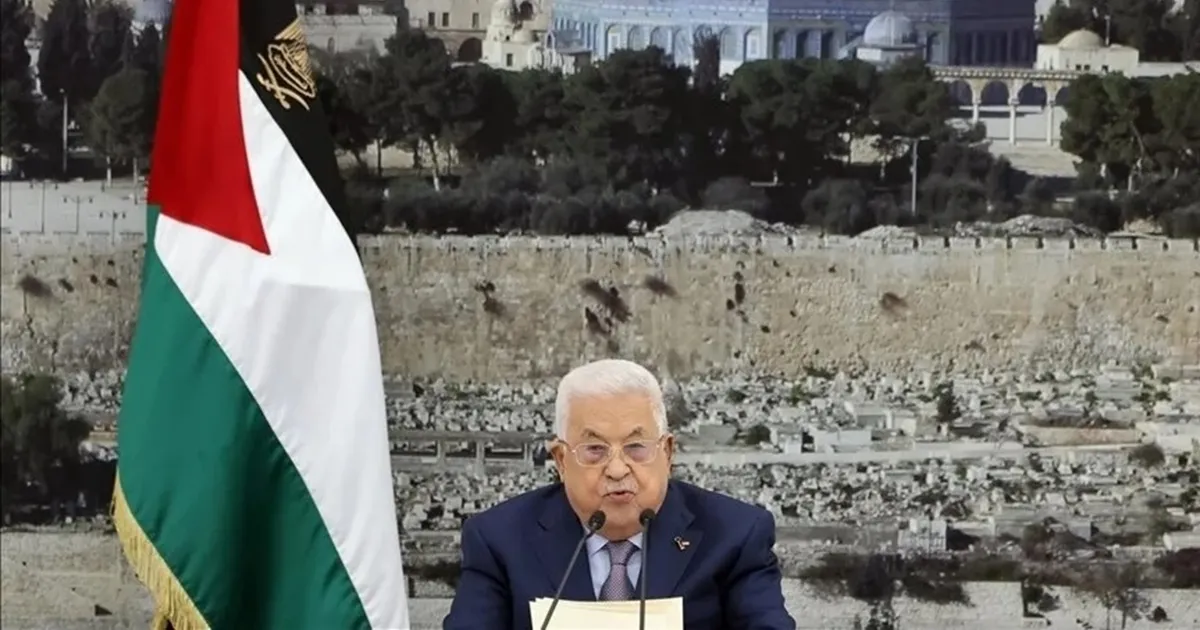
On the political front, September marked a dangerous turning point with the announcement by US President Donald Trump of a plan consisting of 20 points, which, pursuant to UN Resolution 2803, led to the imposition of something resembling 'international trusteeship' on the sector for two years, a step that raised widespread fears of circumventing the right to self-determination.
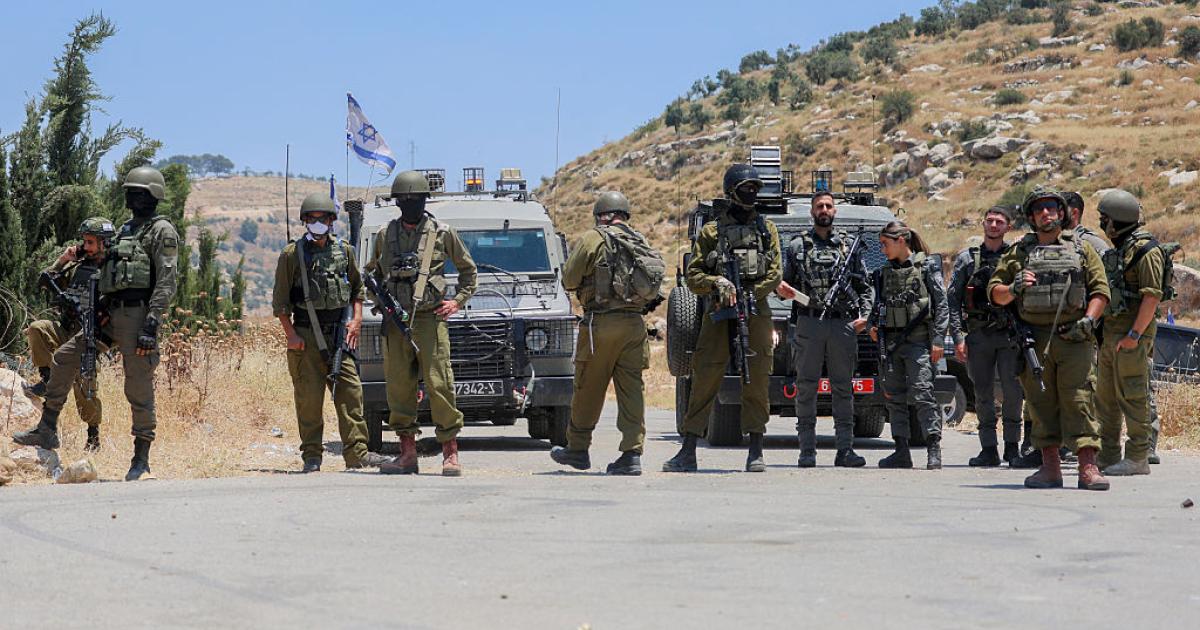
Despite reaching another ceasefire agreement in October, the occupation's ongoing violations emptied it of its content, with the continued closure of crossings and prevention of aid entry.
On the ground, the year recorded intensive targeting of leadership symbols and opinion holders, as the resistance bid farewell to a elite of its military leaders, including Muhammad al-Sinwar, Muhammad Shabana, and the military spokesperson 'Abu Ubaida', in strikes that Hamas considered fuel for continuing the confrontation, and the journalistic body paid a heavy price with the martyrdom of 56 journalists during this year alone, raising the total number of truth martyrs to 257 since the start of the aggression.
Before the year 2025 closes its final page, the Palestinian street and supporters of the resistance received a heavy shock with the announcement by the Qassam Brigades of the martyrdom of a group of its most prominent military leaders, in a strike described by observers as the harshest since the start of the 'Al-Aqsa Flood' battle, targeting heads directing military operations and an 'iconic' media figure who always formed the face of psychological warfare.
Perhaps the most prominent news that topped the media was the official announcement of the martyrdom of the military spokesperson on behalf of the Brigades, 'Abu Ubaida', and the revelation for the first time of his real identity, Hudhaifa al-Kahlout.
'Abu Ubaida' was not just a media spokesperson, but during the war years, he became an international symbol of resistance, known for his red keffiyeh and the niqab that never left him. With his departure, the resistance's media front lost the 'commander of the military media weapon', who managed the psychological battle professionally, and whose voice in the minds of millions was associated with victory statements and threats, drawing the curtain on the journey of a man who remained a mystery that baffled the occupation's intelligence for years.
On the strategic operational level, the martyrdom of Muhammad al-Sinwar constituted a severe loss for the military council, as the man who held the position of Chief of Staff, and succeeded the former General Commander Muhammad al-Deif, was considered one of the most prominent 'shadow generals' and the mastermind behind the offensive tunnel network, and he had survived more than six assassination attempts previously, to meet his end at the end of this year after a long journey of preparation and equipping.
Fears did not stop at the boundaries of killing and destruction, but extended to include plans for forced displacement, reinforced by the recent Israeli moves and talk of 'Somalia land' as a potential destination, which was met with absolute Palestinian rejection.
In conclusion, the year 2025 ends with the occupation living unprecedented international isolation, besieged by genocide charges in international courts and boycott waves, and while Gazans lick their wounds, the fateful question remains open about whether this year was the peak of collapse, or the beginning of an international path that restores consideration to the usurped Palestinian rights.
The year 2025 draws its bloody curtain on the Gaza Strip, leaving behind an unprecedented chapter in the chapters of the Palestinian Nakba.
Share your opinion
2025.. 'Year of Genocide' Closes Its Harshest Chapter in Gaza.. Fears of Displacement and 'International Trusteeship' Shape the Scene