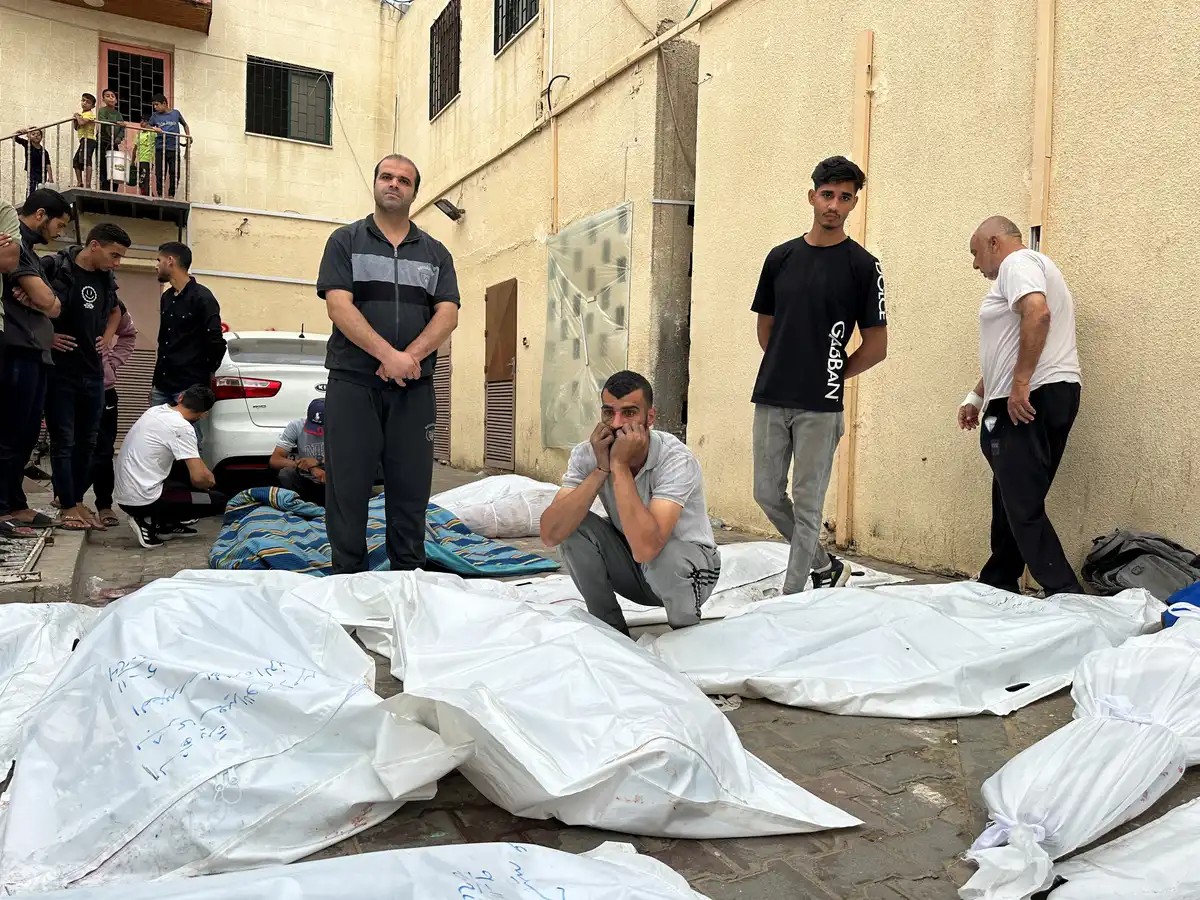







The New York Times revealed on Thursday, in an extensive investigation, that the ceasefire in Gaza, which has been in effect for more than two months, has not succeeded in putting a real end to the bloodshed. Despite the decline in large-scale military operations, the field facts documented by the investigation indicate that the killing has only stopped for intermittent periods not exceeding one or two days, reflecting the fragility of the ceasefire and its temporary nature.
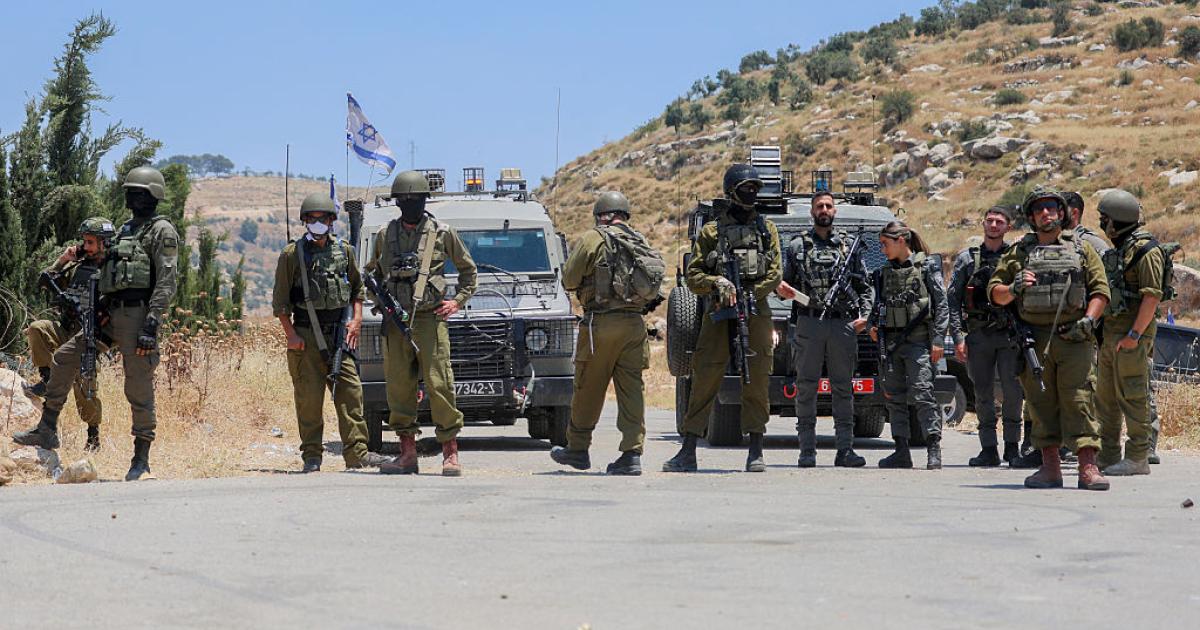
The investigation focuses on what is known as the "yellow line," an unclearly announced dividing line between east Gaza, where Israeli forces are stationed, and its west under Palestinian administration. This geographical ambiguity has turned, according to residents' testimonies, into a deadly trap for civilians, dozens of whom have been killed just for approaching the area, sometimes without knowing they had crossed an unmarked military line.
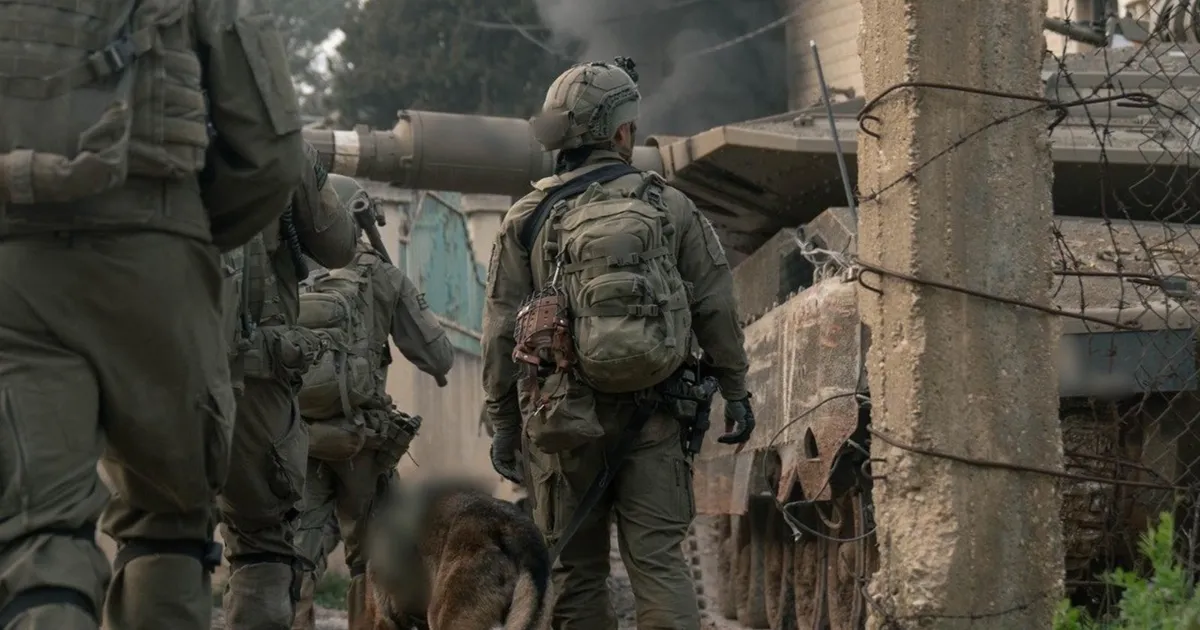
The New York Times reports the Israeli army's confirmation that firing occurs only in response to ceasefire violations, and that instructions stipulate issuing warnings before using force. However, Palestinians' testimonies, documented by the investigation, contradict this narrative, revealing that warnings are often absent, and lethal force is used even in purely civilian contexts, such as gathering firewood or inspecting destroyed homes.
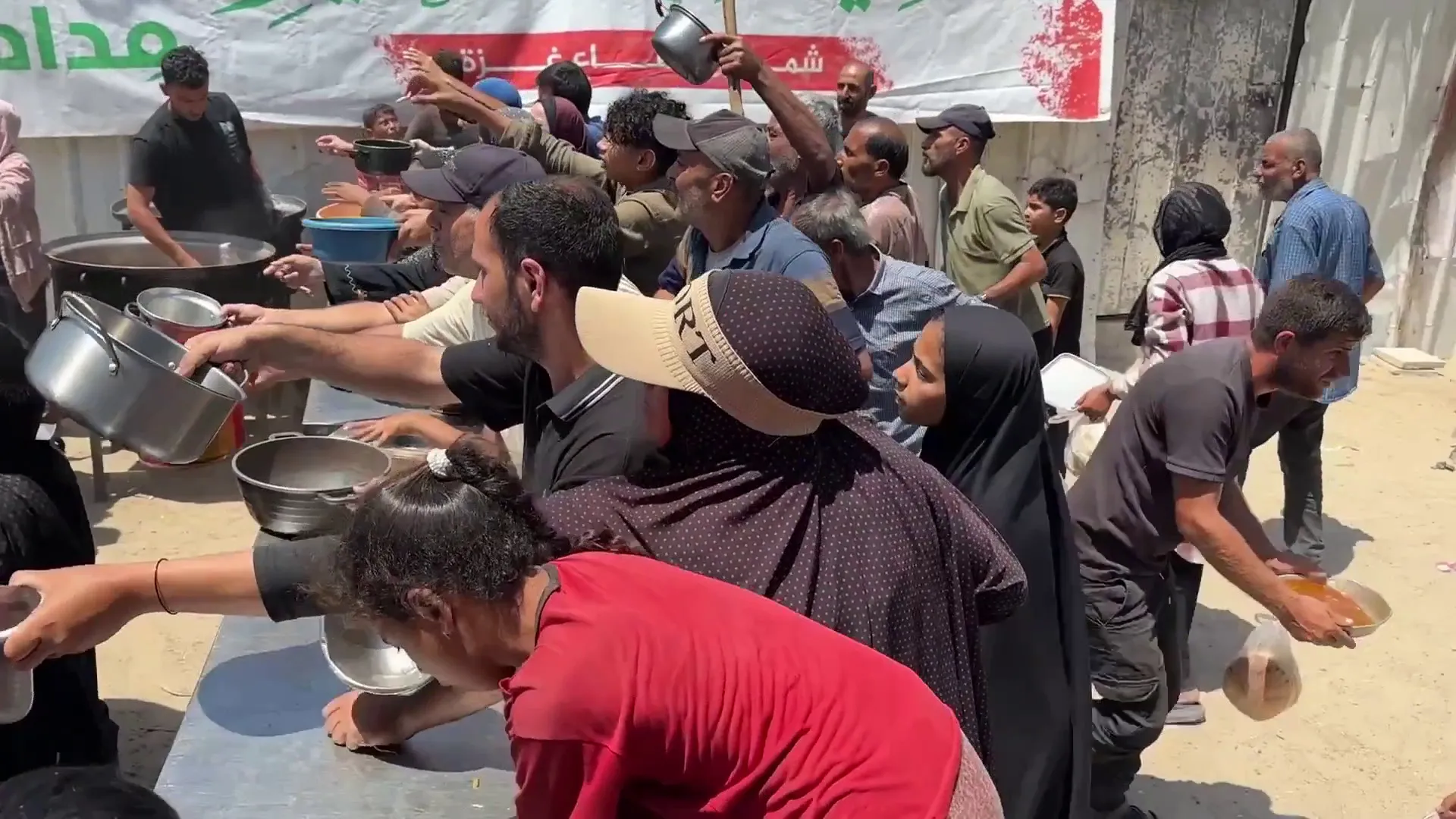
The investigation highlights the human dimension of the tragedy through poignant individual stories. Maysaa Al-Attar was killed by a bullet while sleeping in her family's tent, and Ali Al-Hashash fell while trying to secure fuel for his family amid gas shortages. As for the Shuaban and Abu Shuaban families, they were nearly wiped out during a short family trip to check on their destroyed homes, believing that the ceasefire provides a minimum level of safety.
According to figures cited by the newspaper from Palestinian officials, more than 400 people have been killed since the start of the ceasefire, including 157 children. Although this toll remains lower than the numbers from the previous full-scale war, it, as the investigation points out, confirms that the logic of force has not changed, and that the ceasefire has not ended the pattern of military operations that inflict heavy civilian casualties.
The investigation also sheds light on Israel's policy of "broad response," where any limited attack is met with intensive airstrikes in other parts of the sector. The bombing of the Abu Dalal family's homes in Al-Nuseirat is a glaring example: two presumed military targets, according to the Israeli narrative, versus dozens of civilian casualties, including infants, killed without any prior warning.
The New York Times confirms that the Israeli army usually avoids warning residents when targeting specific individuals, on the pretext of preventing the target's escape. However, the investigation raises ethical and legal questions about the "proportionality" of these strikes, given the prior knowledge of the presence of large numbers of civilians around the targets.
The importance of this investigation lies not only in documenting the facts, but in revealing the structural nature of the ceasefire itself. The ceasefire, as shown in the report, is not a transition toward a political settlement, but a fragile security framework that allows violence to continue in less obvious forms. Here, the ceasefire turns into a tool for managing the conflict rather than ending it, with civilians remaining the weakest link.
Moreover, the ambiguity of the "yellow line," as highlighted by the newspaper, is not a technical detail, but a crucial element in the continuation of the killing. In a sector whose landmarks have been destroyed, any invisible line becomes a justification for opening fire. This ambiguity grants Israeli forces broad discretionary power, turning the line into a gray killing zone where the responsibility for death is placed on the victim themselves.
According to experts, the publication of this investigation in the New York Times, one of the most influential newspapers globally, gives it special weight, and reflects the difficulty of ignoring what is happening in Gaza even within mainstream Western media. However, the gap remains between journalistic documentation and political response, where this type of report is still unable to translate facts into actual accountability or change in policies

Share your opinion
Two months have passed since the ceasefire came into effect. Why have hundreds of Gaza residents been killed?