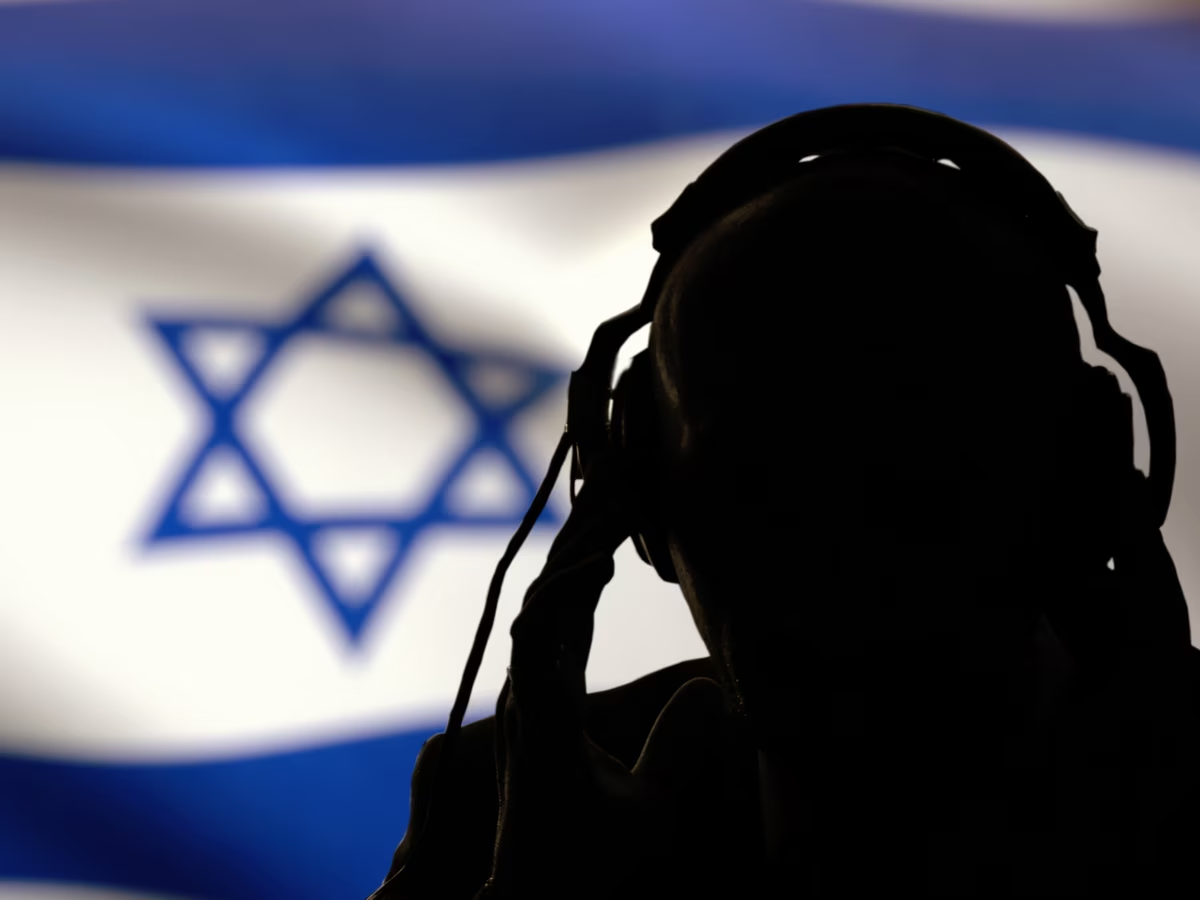







When the latest conflict between Israel and Iran erupted, known as the '12-Day War', Israel surprised Tehran with a precise aerial strike in the first hours, targeting first-tier commanders in the Revolutionary Guards and the army, including Revolutionary Guards Commander Hossein Salami, Chief of Staff Mohammad Baqeri, along with a number of senior officers and nuclear scientists.
This systematic targeting created a leadership vacuum within the Iranian military institution, disrupting the decision-making process during the first two days of the war, and several analyses indicated that these field data slowed Tehran's response and deprived it of the initiative element at a critical moment.
However, what was striking about this strike was not only the size of the material losses, but the tools that enabled Israel to identify its targets with precision. Instead of relying solely on traditional military systems, Tel Aviv resorted to weaponizing technologies that are supposed to be civilian and peaceful, such as messaging applications and navigation systems.
According to Iranian reports, mobile phone tracking was used in assassinations of figures inside Iran, through some known platforms that market themselves as secure thanks to the 'end-to-end encryption' feature, and these platforms confirm that no one - including the company itself - can access or track the messages.
But reality is more complex than what companies promote. Metadata, which includes the identity of the sender and receiver, their location and timing of messages, and even their size, remains exposed despite encryption. These details, although seemingly secondary, are sufficient to build a comprehensive picture of communication and movement patterns among related individuals, giving intelligence agencies like 'Mossad' the ability to track people and monitor their locations with precision.
And with any direct breach of the phone via an advanced spyware program, like 'Pegasus', privacy completely vanishes, and the smartphone transforms from a personal communication tool into an open vault of secrets in the hands of adversaries.
In addition, the Global Positioning System 'GPS' played another role in this conflict. Jamming and spoofing technologies made some Iranian missiles less accurate, causing them to deviate from their path and fail to reach their targets, and this of course does not deny what we all saw of some missiles with enormous destructive power reaching areas in the heart of Israel, with explosive levels unprecedented for the occupation state.
The point here is that the repercussions of this operation were not limited to the military front, but extended to civilian navigation as well. On June 15 last year, the oil tanker 'Front Eagle' collided with another tanker near the Strait of Hormuz, after broadcasting contradictory location signals, deviating from its course and catching fire. Hundreds of ships and planes also recorded similar disturbances in their location data.
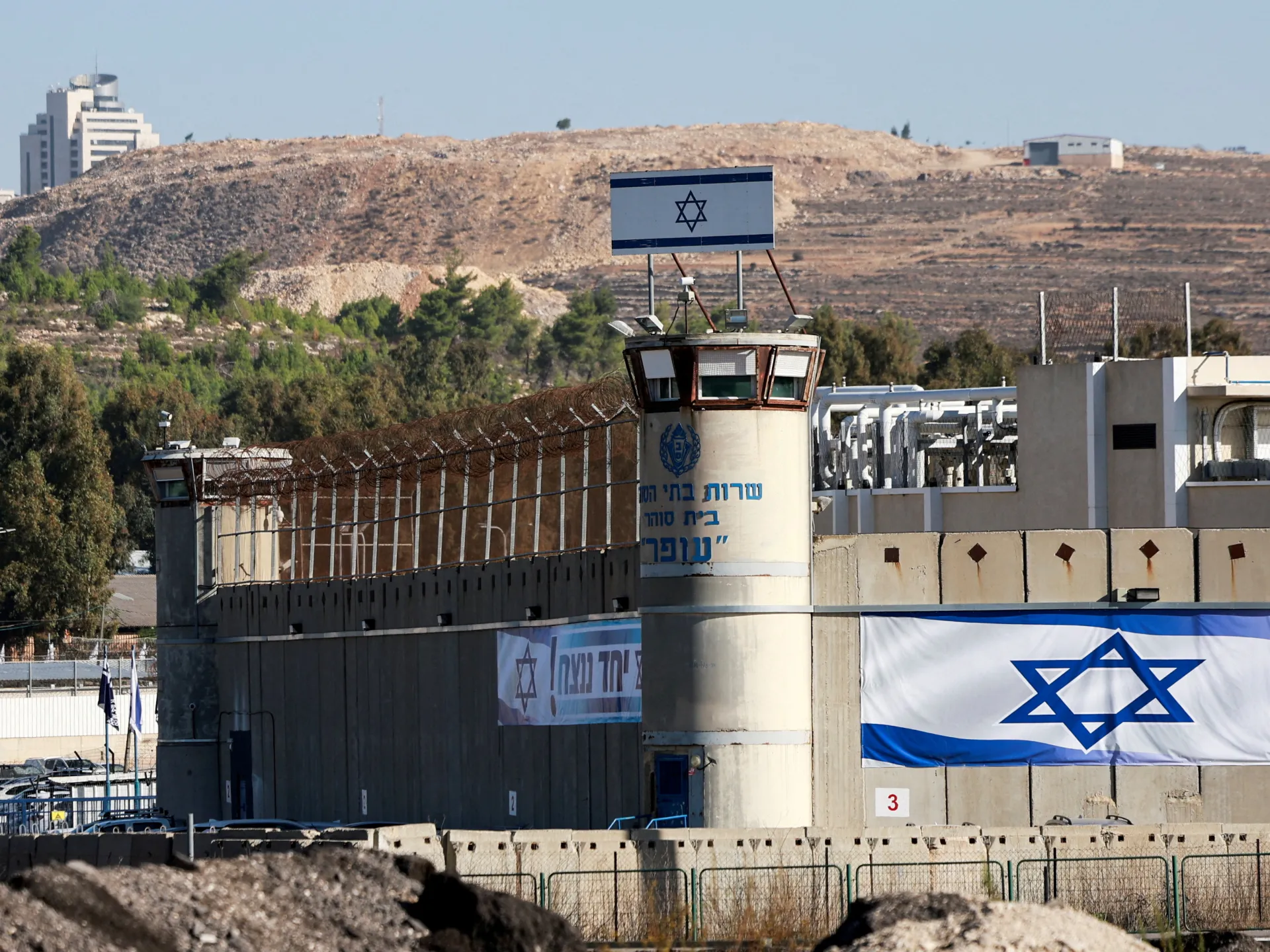
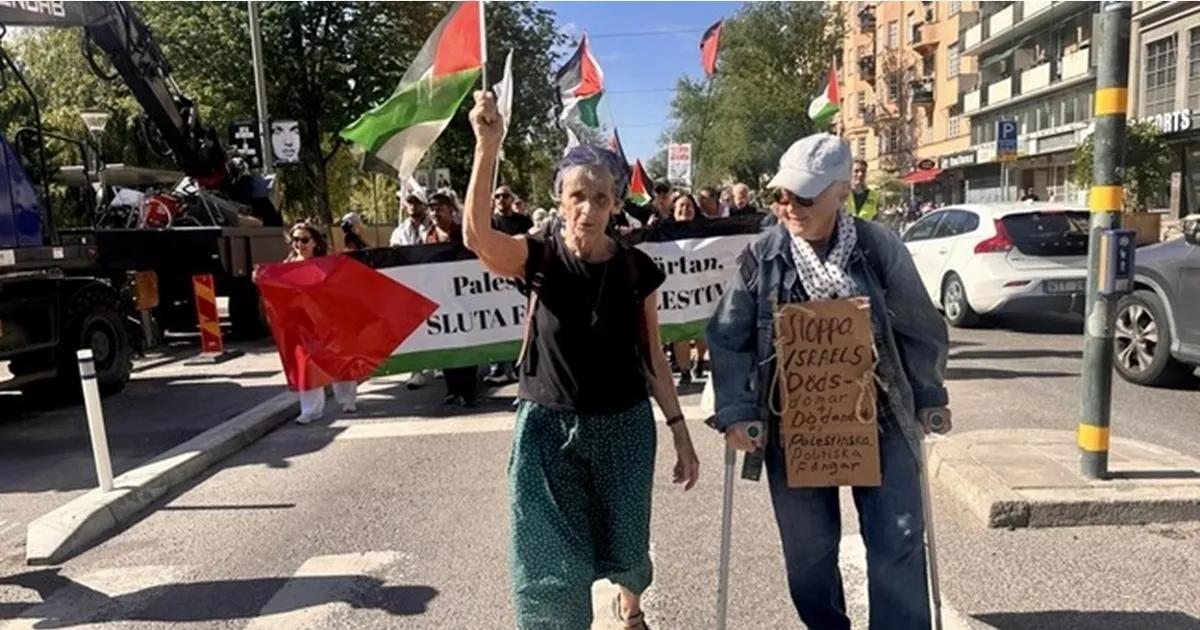
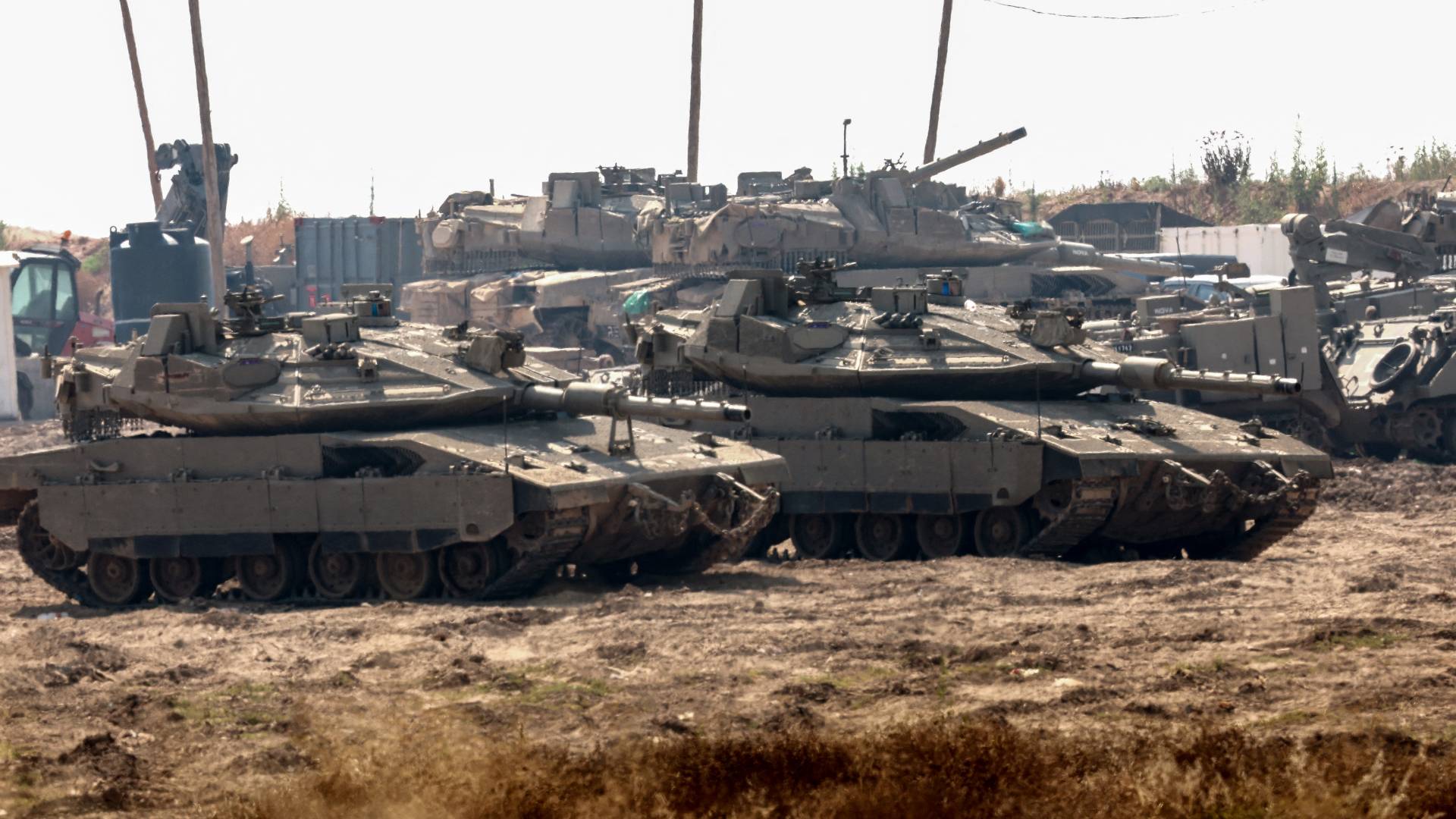
This blending of civilian and military is not an exception, but part of a broader approach in which Israel has formulated a security philosophy based on dissolving the boundaries between the two fields, and transforming daily tools into weapons integrated into the arsenal of modern warfare. And this is not new, as the first field for these experiments was not in Iran, but on the bodies of Palestinians and their land.
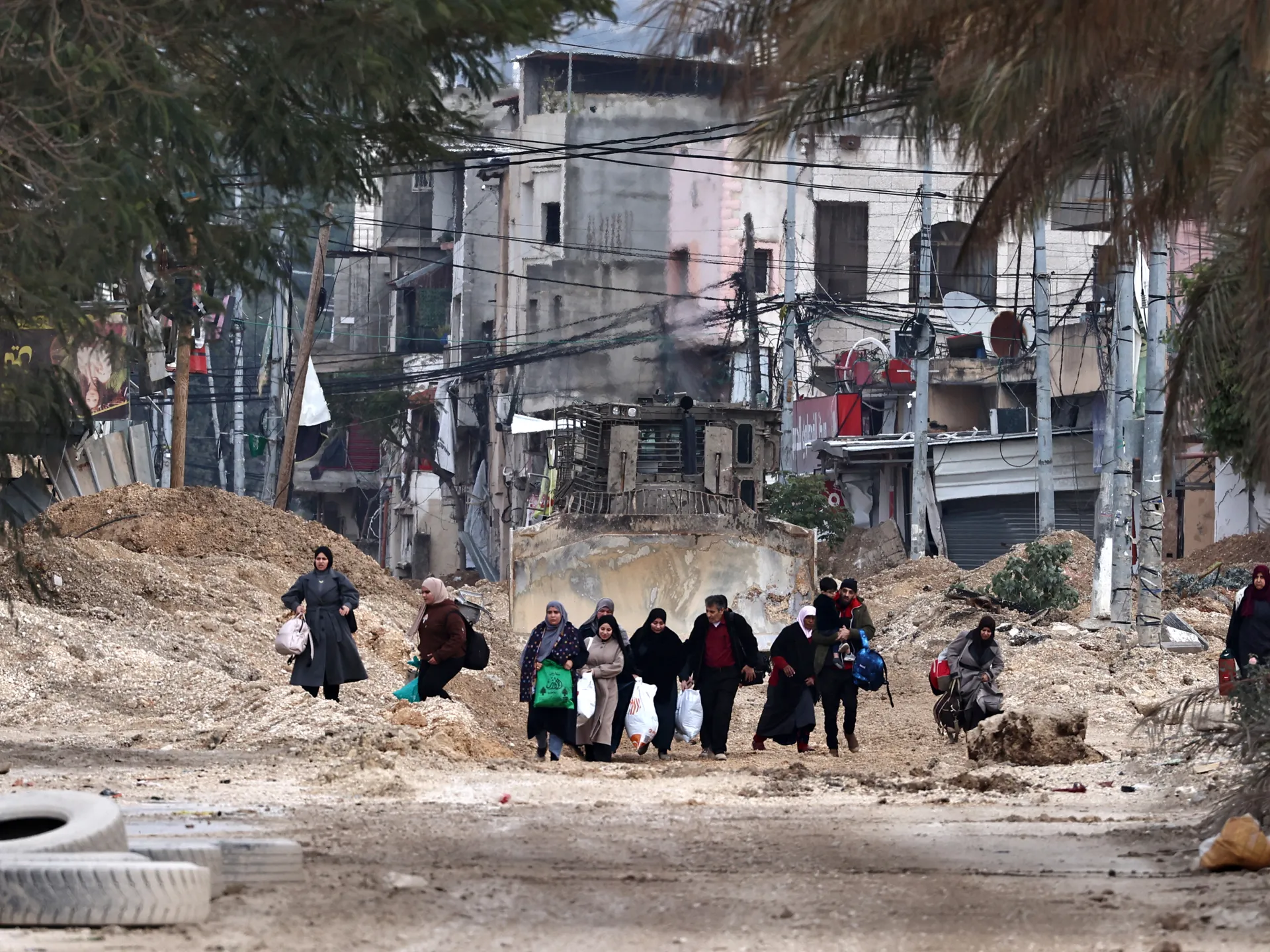
In the West Bank, Jerusalem, and the Gaza Strip, advanced surveillance systems were tested in recent years, facial recognition and video tracking algorithms were trained, and drones were tested as 'first responders' to incidents.
Thus, the Israeli occupation authorities practice a form of governance that harnesses 'civilian' technology for security and military purposes, then re-markets it to global markets as 'smart solutions' for cities or industry or healthcare. This phenomenon, which can be called 'dual-use deception', recycles control experiences in a colonial context to become profitable global products.
Laundering repression tools
Dual-use means that the commodity or technology can be used for both civilian and military purposes alike, starting from communication tools and the internet to navigation systems, drones, and advanced software.
This trade is subject to a network of international agreements and national regulations, with the 'Wassenaar Agreement' being the most prominent, an agreement that defines lists of dual-use goods, and obliges member states to monitor their exports to prevent their conversion into military capabilities that can be used in unlawful applications.
But Israel has not officially joined 'Wassenaar', and instead relies on a local law that imposes control on the export of military or dual-use goods. But in reality, the control seems full of loopholes, as while the law focuses on traditional weapons, technologies like facial recognition systems or video analysis programs pass as civilian, to be sold later as solutions for public security and safety.
This circumvention is known as 'purpose laundering', that is, marketing control tools as if they were innocent products, like re-presenting software that tracks Palestinians at checkpoints as traffic management systems in Western cities. And with the absence of strict oversight and real transparency, this 'flexibility' turns into an open gateway that allows Israeli companies to export technologies that were first tested in the occupation environment, before being offered in global markets as civilian innovations for security and service management.
From occupation to smart cities
One prominent example of civilian-military intersections is the Israeli company 'BriefCam', a startup that developed a technology known as 'video summary', an algorithm that analyzes hours of surveillance camera recordings and summarizes important events in a few minutes, making tracking individuals and objects much faster compared to traditional human search.
This technology did not limit its function to being just a commercial innovation, but quickly became a tool in the hands of Israeli security forces to enhance surveillance in occupied East Jerusalem. It was used to monitor movement in the Old City and neighborhoods like Silwan, under the cover of 'protecting settlers', while in reality it is part of a broad security control network, where the city was divided into areas managed through control centers linked to a central system, enabling precise real-time monitoring, making the algorithm a key tool in imposing surveillance on Palestinians, which was the first use that proved its effectiveness.
After this field experience, the company re-marketed itself globally as a platform for public safety. In 2018, it was acquired by the Japanese company Canon, which strongly adopted the 'smart cities' narrative.
On its official website, the company promotes the benefits of its technology in enhancing safety and combating crime, and even traffic management, with examples from cities like Chicago. However, what many Western clients do not know is that this algorithm was designed primarily with Israeli military characteristics. While marketed as a tool for building safer cities, its roots are linked to monitoring populations under occupation.
Thus, the narrative is reshaped, from 'control and surveillance tool' in the narrow alleys of Jerusalem, to 'protecting citizens' in Western cities.
The paradox is that the same tool that imposes surveillance in Jerusalem can be used in a European city to monitor traffic or control troublemakers in a football match. And while these applications seem legitimate on the surface, their essence is one, which is the enormous ability of these technologies to collect and analyze personal data, turning any city into a comprehensive surveillance space that threatens privacy.
And while 'BriefCam' and its counterparts disclaim responsibility, considering the technology 'just a tool' and that the use is up to the buyer. But the fragility of this justification was first exposed inside Israel itself before collapsing globally. In 2020, with the outbreak of the Corona pandemic, the Israeli government decided to assign the internal security agency (Shin Bet), primarily responsible for counter-terrorism, to track infected people and their contacts through phone location data.
Thus, surveillance tools originally designed to pursue Palestinian activists were redirected to include all populations within the Green Line, which sparked widespread debate about privacy, and prompted 'Israeli human rights organizations' to file a complaint with the Supreme Court.
Surveillance exercise under the guise of healthcare
The matter did not stop at Shin Bet, as the notorious company 'NSO', owner of the 'Pegasus' espionage program, entered the scene, trying to present itself as a technological savior in pandemic times.
In March 2020, the company announced the invention of a tracking system for Corona patients, called 'Fleming', and promoted it as capable of tracking the locations and phones of patients and alerting authorities to contacts, without violating privacy, a claim met with widespread skepticism.
At the time, former Israeli Prime Minister Naftali Bennett supported that initiative and promoted it, while the company rushed to market the system to several governments around the world, including the United States and some European countries. That is, the company that built its reputation on selling hacking tools to repressive regimes tried temporarily to wear the cloak of public health protection.
But the hidden soon unraveled. In May of that year, an independent security researcher discovered a database belonging to 'NSO', posted on the internet without any protection, linked to the 'Fleming' system, and it turned out to contain half a million movement records for about 30,000 real phones in several countries, including Arab countries.
This discovery showed that the company mostly used real data to train its system. Despite denying the leak of personal information and claiming that what was displayed was merely 'anonymized data for demonstration purposes', the Israeli company's explanations seemed contradictory and unconvincing, as the investigation
This blending of civilian and military is not an exception, but part of a broader approach in which Israel has formulated a security philosophy based on dissolving the boundaries between the two fields, and transforming daily tools into weapons integrated into the arsenal of modern warfare.

Share your opinion
How Israel Turns Civilian Technologies into Weapons?