





* British Recognition as the Beginning of Correcting a 'Historical Sin'.. and a Major Change in European and American Youth Circles
* The Genocide War Left Catastrophic Effects on the Ground but Caused a Tremendous Change in International Public Opinion
* The Global Movement Supporting Palestine Needs Sustainability and Translating the Popular Tide into Practical Steps that Contribute to Ending the Occupation
* Trump May Be the Last American President to Support Israel, and the Next Presidential Candidate May Support Establishing a Palestinian State
* The Normalization Project and Regional Engineering Led by Israel Has Been Frozen.. and Regional Countries Have Realized the Danger
* The Clear Saudi Position 'No Normalization Without a Palestinian State' Restored Balance and Dispelled Israeli Illusions
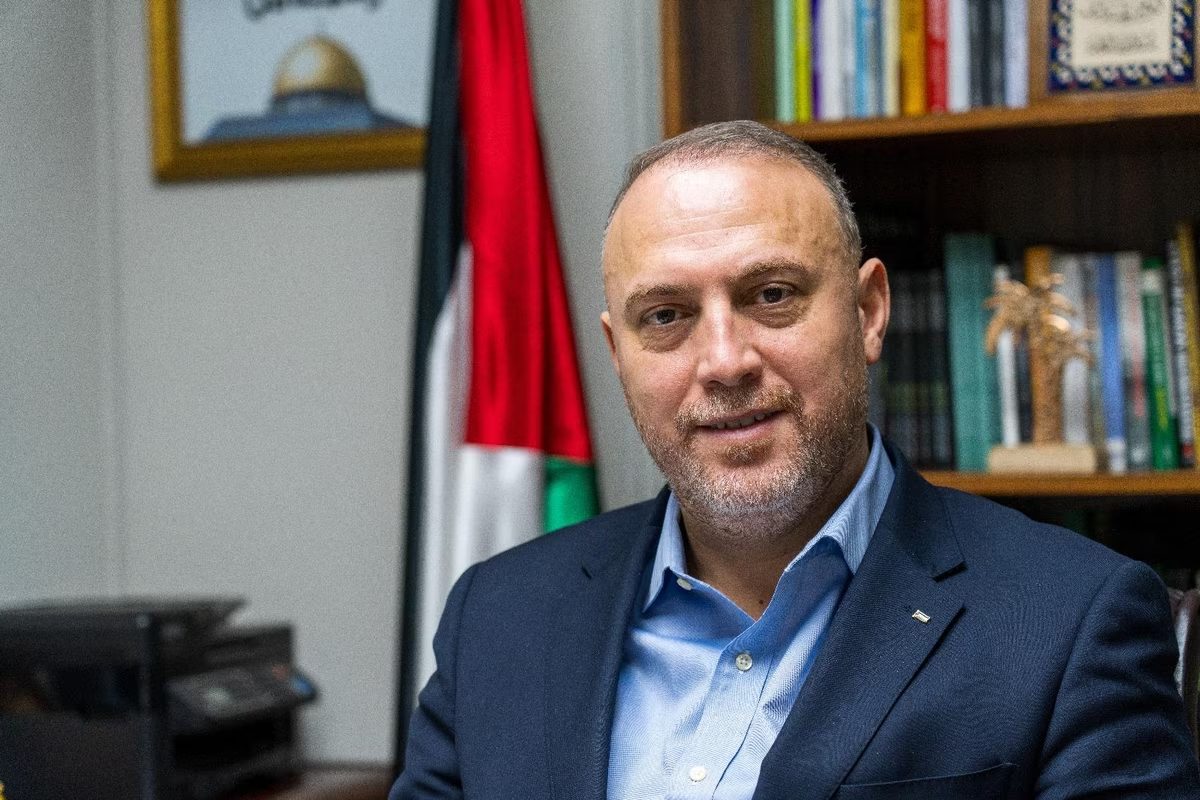
Palestinian Ambassador to London, Hussam Zomlot, revealed a 'irreversible' historical shift in British and international public opinion towards the Palestinian issue, saying that 'the era of Israel's monopoly on the narrative has ended', and that the recent British recognition of the State of Palestine represents 'the beginning of correcting a historical sin' committed by Britain against the Palestinian people since the Balfour Declaration.
This came in a special and extensive interview with 'Al-Quds', in which Ambassador Zomlot addressed the dimensions of this shift, the practical steps resulting from the recognition, its comparison to the anti-apartheid struggle in South Africa, the impact of changes in American and regional positions, and the remaining challenges, especially in Israeli public opinion.
Solidarity Movement: From Tide to Flood
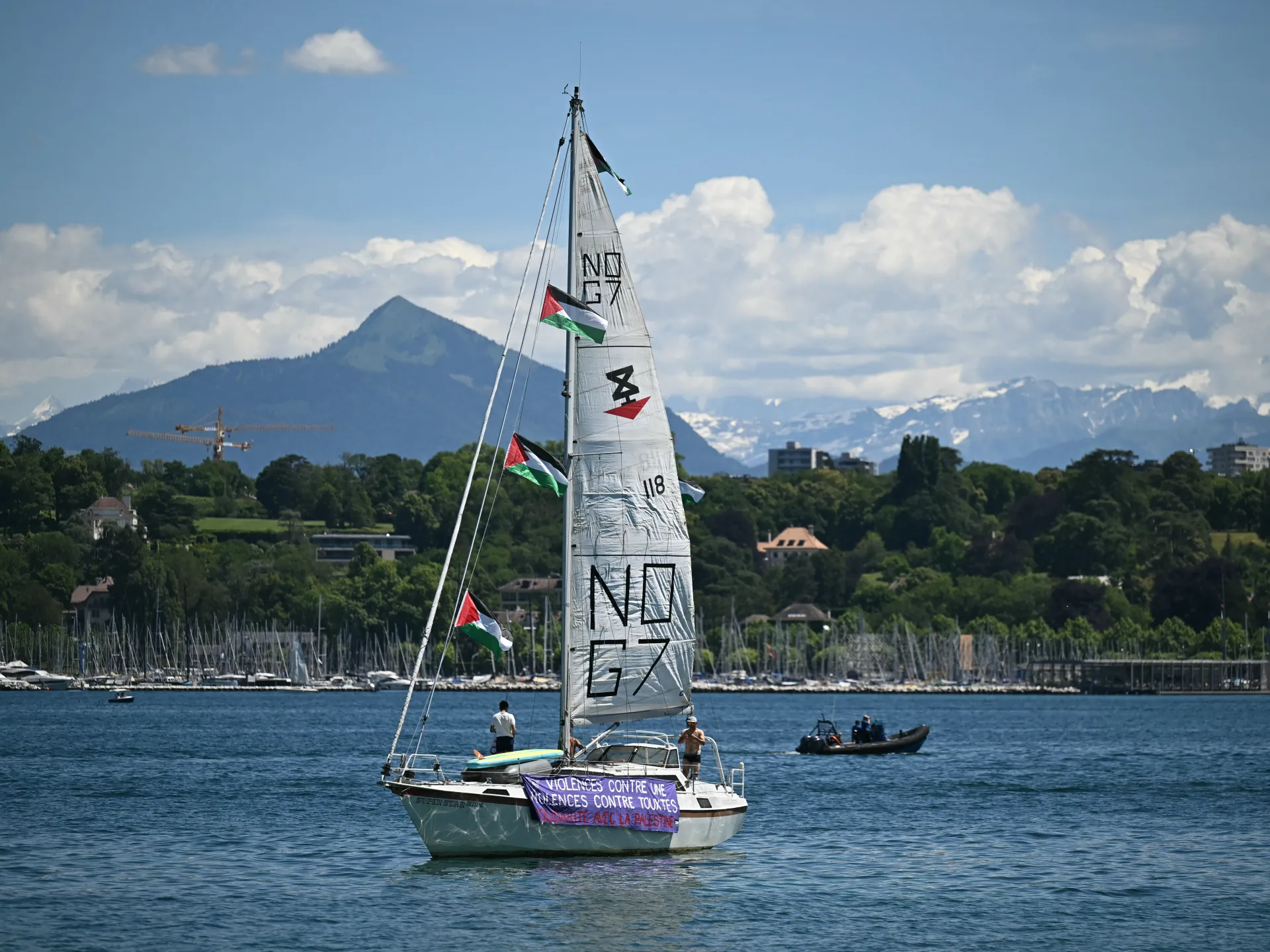
At the beginning of the interview, Ambassador Zomlot pointed to an exceptional phenomenon, saying: 'The solidarity movement in Britain did not fade after weeks of the start of the aggression on Gaza as some might expect, but continued and escalated. Recently, London witnessed a central demonstration attended by more than 100,000 protesters and supporters, despite the announcement of a ceasefire. This popular campaign has endured throughout two years of war'.
He attributed this continuity to 'an irreversible change in British awareness. The monopoly of the Israeli narrative has been broken. The truth has become clear to the British people and the world: Israel is an occupying and aggressor state that commits war crimes, ethnic cleansing, and genocide'. This 'horizontal and vertical' societal transformation, as he described it, is what pushed the British government under popular pressure to take practical steps, most notably the historic recognition of the Palestinian state.
On the Shift in British Public Opinion and Popular Support
Zomlot said: 'The British people and the peoples of the world have clearly received the truth: Israel is an aggressor and occupying state that practices ethnic cleansing, apartheid system, and war crimes. This has caused a real horizontal and vertical change in British society, leading to tangible steps from the government due to popular pressure, thanks to the role of Palestinian diplomacy in communication and leading the movement, and the role of supporters around the world'.
He added: 'Then came the awareness of the peoples. Our people managed during the war to achieve legendary resilience and export scenes of the ugliest genocide operation in modern history, and for the first time, a genocide operation is documented with live and direct broadcast amid the negligence of international media. The Palestinian child, woman, and man expanded the circle of documenting the crime before it occurred. And social media played a decisive role in breaking through the barrier of controlled and directed media'. He pointed out that what happened is 'a flood in public opinion in Britain and the world, promising real change. The British recognition, as issued by the state that issued the Balfour Declaration, carries great historical and moral significance'.
The Power of the Palestinian Narrative: Documenting Genocide Live
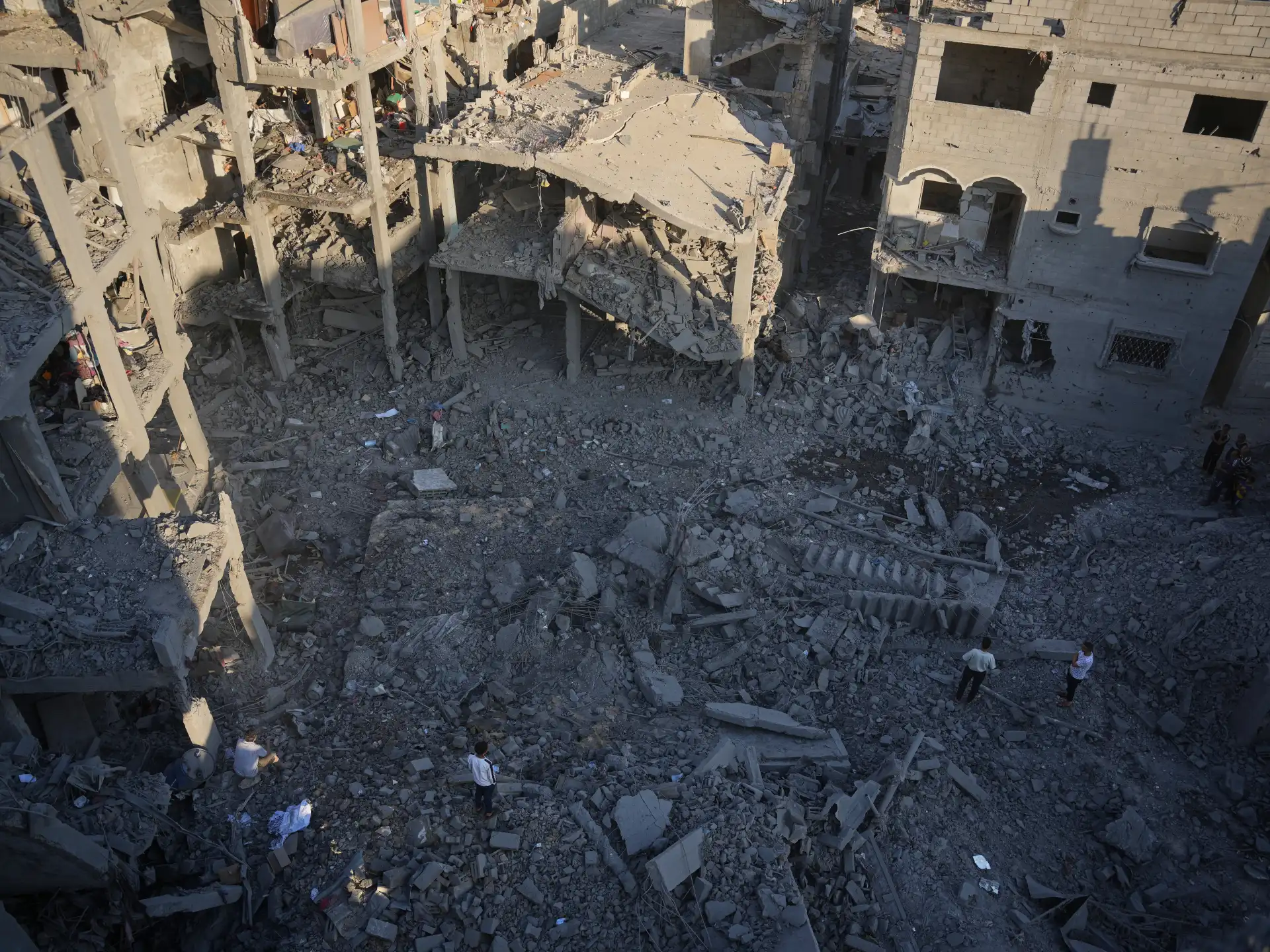
On the reasons for this radical transformation, Zomlot said: 'The fundamental reason is the bravery and resilience of our people, who inspired the world, surpassing the negligence and blackout of international media'. He added, explaining: 'The Palestinian child, woman, and man have become documenting the moment they are targeted before the missile falls. They turned the small cameras in every phone in Gaza into a global window on the crime. And the power of social media shattered the occupation's narrative that killed 70,000 civilians, including 20,000 children and the same number of women and the elderly'.
This 'flood' in global public opinion, in addition to the clarity of the official and diplomatic Palestinian message, is what paved the way for 'real change', manifested in the British recognition that carries 'unique moral and historical weight', because its source is the same state that gave birth to the occupation state through the 'Balfour Declaration' and nurtured it politically, militarily, and financially, then France took care of it by supplying it with the 'Dimona' nuclear reactor, and since 1967, the United States has nurtured and supported it with financial aid and political and diplomatic cover in the Security Council and the United Nations, covered its crimes, supported it with weapons and equipment in its genocide war, and continues to do so.
Recognition: Beginning of Correcting Balfour and Historical Injustice
The Palestinian ambassador explained the deep dimensions of this recognition: 'It is a correction of a historical crime. The Balfour Declaration not only denied our existence as a people, but turned us into 'non-Jewish communities' with only civil and religious rights, we were denied national rights and the right to self-determination. It was an injustice to history and contrary to law'.
He added: 'Therefore, when the British Prime Minister declares, after 108 years, recognition of our people's right to self-determination and sovereignty, this is the beginning of correcting that sin. It is an acknowledgment that we are a people on our land, and we have a homeland from the sea to the river'. He clarified the distinction between the 'homeland' that is indivisible, and the 'state' as a political entity that Palestinians have accepted on the 1967 borders with East Jerusalem as its capital. Confirming that 'recognition is a historic step, and the first practical step was transforming the Palestinian mission in London into an embassy for the State of Palestine with full powers and diplomatic status according to the Vienna Conventions'.
From Embassy to Banning Settlements: A Long Practical Path
On the next steps, Zomlot confirmed that the legal transformation of the mission into a 'Palestinian State Embassy' has been completed. But the essence lies in 'practical building' on this recognition, through three paths:
1. Applying British and International Law: 'This is not only to punish the occupation state, but also to apply British law and international laws. How do you recognize a state and then import goods from settlements built by the occupation on its lands? Products from settlements must be banned, British companies operating in occupied territories must be prevented, and dual nationals participating in the genocide war in Gaza who reside and work in settlements or manage companies in occupied territories must be held accountable. There are dozens of legal prohibitions that must be activated'.
2. Rebuilding Bilateral Relations on Equality: 'We want a real partnership between two equal states, not between a state like Britain and a Palestinian state under occupation'.
3. Multilateral Level: 'This position must be reflected in Britain's voting in the United Nations and Security Council, in international and regional councils and institutions, and in the work of international organizations'.
Comparison with South Africa: Israel is Not an Exception
The ambassador pointed to the lessons learned from the boycott movement that ended the apartheid system, saying: 'It is natural for international boycott movements to arise against a state that commits war crimes and genocide. Israel is not an exception, but must be boycotted and punished'.
He saw that 'solidarity with Palestine has turned into a 'shared struggle' in the South African style, and indeed its momentum today is greater than that prevailing in the era of apartheid rule in South Africa'.
He added: 'The most important lesson is that the genocide project in Gaza failed despite the severe Palestinian losses in lives and property. Israel used the most lethal killing and destruction machines and did not achieve any of its goals, and its failure exposed its criminality and racism. 7.5 million Palestinians remain rooted in historic Palestine. And this failure, with the ugliness of its crimes, is what brought down its false narrative - claims of beheading 40 children on October 7 and rape - all of that collapsed loudly and irreversibly changed the international situation in our favor'.
He added: We must restore life in the Gaza Strip as soon as possible because Gaza is the womb of Palestinian nationalism, and pay attention to the main battle which is in Jerusalem and the West Bank where the occupation's ambitions and ongoing annexation policy are. The top priority now is to strengthen our people's resilience on their land.
The American and Regional Shift: End of Unconditional Support
Zomlot said: 'External support is the backbone of Israel. If this support is withdrawn, it will not continue its crimes. In America, the change is significant among youth and even within gatherings and the 'Jewish lobby' in the two major parties, Republican and Democratic; 30% of them voted for New York Mayor Mandani, and this is clear evidence of the extent of the shift that seems to extend to the rest of the sectors, the change is enormous. President Trump may be the last American president to support Israel in this unconditional way. The Palestinian issue has become an 'electoral prize' in America as well'.
On the regional level, he saw that 'the normalization project and regional engineering led by Israel has stopped. Regional countries have realized the danger. The clear Saudi position 'no normalization without a Palestinian state' restores balance'.
The Biggest Challenge: Israeli Public Opinion and Future Action
Amid optimism, the ambassador pointed to 'the toughest challenge', which is that the vast majority of Israelis still support the genocide war; an unreasonable and unacceptable matter'. He commented: 'This requires a different strategy, where international sanctions and boycotts are one of the tools to change the calculations of this society led by right-wing racist and fascist groups. The Israeli society must be pushed towards choosing a new leadership other than this extreme right-wing leadership, and it must realize that racism and genocide have a price that it will pay unless these racist groups change their path'.
Media, UNRWA, and Palestinian Representation
On British media, he said it 'has changed for the better under public pressure, but has not yet reached the required neutrality'.
He added: 'Palestinian voices, official and popular, have succeeded in breaking through the wall of traditional international media that adopted the Israeli narrative and distorted the Palestinian struggle. We have created a hole in this wall and these holes have expanded and the official Israeli narrative has collapsed'. He continued: 'We no longer accept the Western media game of always accusing us. The question I faced daily 20 times is no longer asked 'Do you condemn?'. That game has ended. We have exposed the contradiction: Israel is the one targeting Palestinian civilians since the Nakba in 1948 as a policy and military strategy, and we reject targeting civilians from a national, strategic, and political perspective. We reject the distortion and racism in posing the question and marketing the false narrative that has been proven by all evidence and proofs that Israel is the one targeting civilians to achieve political and military expansionist gains'.
He affirmed that the State of Palestine considers 'UNRWA a red line. Targeting it is targeting the refugees' issue and an attempt to erase their just cause protected by international law. The world has renewed its mandate, and this is a strong message'.
On aid, Zomlot said: 'The responsibility for opening crossings and lifting the siege falls on Israel as the occupying power. We should not be satisfied with the entering trucks (150 or 200 trucks daily). We need to open all crossings at full capacity for more than 12,000 trucks waiting for months, and introduce all needs without obstacles, especially baby milk, medicines, and tents in this cold weather. The systematic starvation policy is rejected, and starvation engineering must be stopped and Israel punished for it'.
In response to a question about the number of injured transferred from Gaza to Britain, Zomlot said: 'Dozens through the World Health Organization; dozens of those needing urgent treatment and prosthetic limbs for children have been transferred. There is cooperation with Britain to treat critical medical cases from Gaza in its hospitals, and we appreciate that'.
In response to a question about the impact of Palestinian division, he answered decisively: 'We are the embassy of the State of Palestine, and the PLO is the sole legitimate representative of our people in all its spectra. We represent all of Palestine. Our fundamental contradiction is with the occupation'.
The Bet on Peoples Was Correct
In response to a question about the embassy's focus on which sectors in British society, Zomlot clarified: 'We initially invested in building a broad popular base, and this bet on the peoples was correct and bore fruit. Today, we deal with all parties: the street, parliament, government, parties, civil society, labor unions, and all segments of society including youth and universities. Personally, I divide my time among all these components with a focus on the base'.
He added: 'Every British politician now realizes that the Palestinian issue is a mass issue, and one word against it may cost him his popularity. This is a strength for the Palestinian people. Our fundamental strength stems from our people's amazing resilience during two years of genocide. The return of students to study in tents and on sand under bombardment, and people's clinging to their land despite hunger and destruction, this is what earned us respect and appreciation from the world's peoples. This image is what changed minds and hearts everywhere. The return of university students to universities in Gaza despite genocide and destruction reflects the bright image of the Palestinian people who love life and struggle for a better future for their children.

PALESTINE
Wed 17 Dec 2025 10:53 am - Jerusalem Time
Hussam Zomlot, Palestinian Ambassador to London, in a Special Interview with 'Al-Quds': The Era of Israel's Monopoly on the Narrative Has Ended
Tags
MORE FROM PALESTINE
Settler escalation in Ramallah: Attempt to burn a mosque and widespread attacks on properties
Abbas issues extensive amendments to Palestinian election law, including raising legislative seats and lowering the age of candidacy

France reveals Israeli company's involvement in manipulation and digital interference in elections
Share your opinion
Hussam Zomlot, Palestinian Ambassador to London, in a Special Interview with 'Al-Quds': The Era of Israel's Monopoly on the Narrative Has Ended