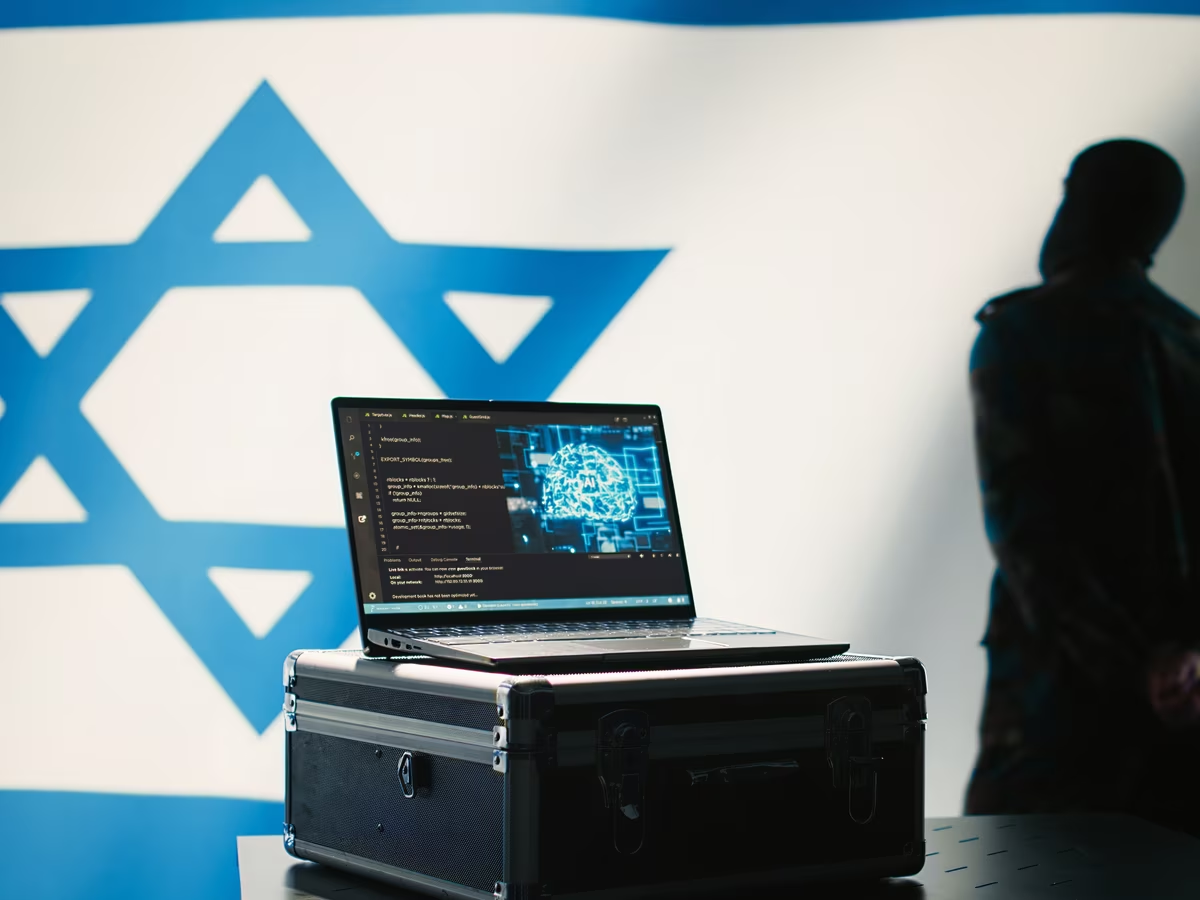







Since the end of the Al-Aqsa Intifada, Israel has witnessed notable cultural and academic boycotts due to the crimes it committed, but after October 7, this boycott has increased institutionally, reflecting a state of growing isolation.
Forms of academic boycott are heading towards new patterns, expanding from boycotting individuals to boycotting entire academic institutions, indicating a strategic shift in the isolation imposed on the Zionist entity.
On November 26, 2025, the Jewish writer Peter Beinart apologized for delivering a lecture at Tel Aviv University after strong reactions from activists, which sparked outrage in Israeli circles and calls to impose sanctions on him.
Many Israeli academics have received threats from an anonymous website, reflecting escalating pressures on academics who support Israeli military activities.
The Council of University Heads in Israel issued a report stating that academic boycotts in Europe have risen to 1000 cases, indicating that this phenomenon has not subsided despite the ceasefire.
The Israeli occupation state recognizes the danger of this boycott and calls on its concerned circles to develop better tools to deal with the threat.

Share your opinion
Increasing Academic Isolation of Israel After October 7: Growing Institutional Boycott