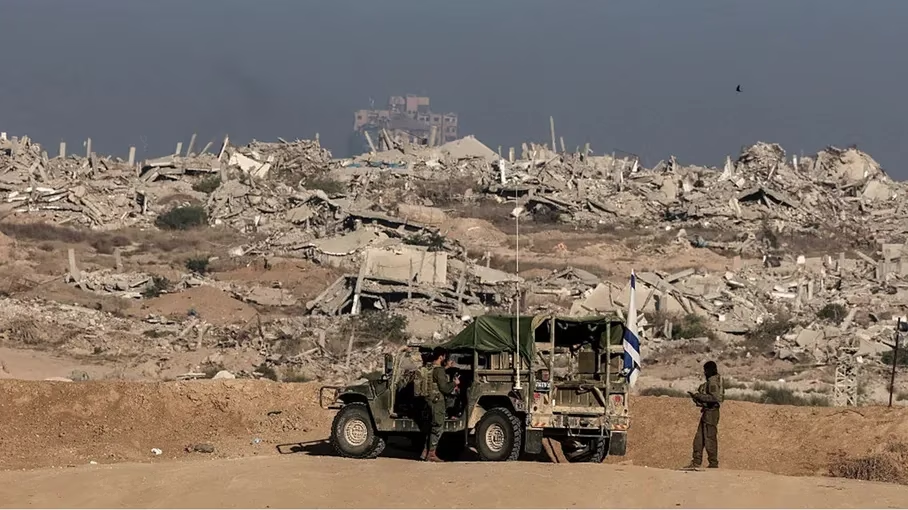







Israeli reports have revealed the outlines of the future plan to isolate Hamas and divide the Gaza Strip, through a media tour conducted by Israeli reporters in areas of southern Gaza under the control of the occupation army.
The Hebrew newspaper "Yedioth Ahronoth" stated that "the new Gaza plan aims to defeat Hamas and create a new life for the Palestinians," noting that the tour took place at the "Morag Crossing," which separates Khan Younis to the north and Rafah to the south.
The newspaper quoted its correspondent Ron Ben-Yishai, who was surprised during his visit by the piles of white bags and scattered boxes along the road, explaining that one of the officers described the scene to him, saying: "These are bags of flour and food boxes that fell from the trucks that loaded them at the Kerem Shalom crossing to be transported as humanitarian aid for civilians in Gaza."
Ben-Yishai spoke about the Israeli plan in Gaza, stating that its first phase consists of temporary neighborhoods, indicating that the army will remain in the sector for a long time, which is divided into areas controlled by Hamas and areas under Israeli control, which constitute 57% of its land.
He continued: "This plan, based on the American vision, is called (New Gaza), and the Israeli army elements who are striving to help Washington implement it as much as possible refer to it as (Green Gaza)."
The plan is supposed to resettle millions of Gazans who have temporarily evacuated their homes and rebuild the sector from its ruins, thus ending the long process of isolating Hamas, forcing the movement to disarm and cease being a dominant military and political force in the sector.
He pointed out that "the plan's first phase is scheduled to be implemented in the Rafah area east of the yellow line, meaning in the lands under Israeli army control. Nothing will happen in the areas controlled by Hamas."
Even humanitarian aid will not enter if the American plan enters the field implementation phase.
He clarified that in the first phase, an international stabilization force will enter the lands controlled by Israel east of the yellow line in the Rafah area, to supervise and secure the establishment of "new temporary neighborhoods" where civilians from Gaza who are not affiliated with Hamas will live, on behalf of the "Civil Peace Council," until the debris removal and construction of the planned new city in Rafah is completed.
He mentioned that "the 'temporary neighborhoods' will be established in open areas on the eastern outskirts of Rafah city or in sandy dune areas that were uninhabited even before the war and where there are currently no debris, unexploded ordnance, or mines that could endanger the residents of the 'temporary neighborhoods.'
He noted that "in the second phase of implementing the 'New Gaza' plan, residents of Gaza currently living in temporary shacks and plastic tents in the Mawasi area will be invited to move and live in temporary neighborhoods created for them with funding from donor countries and the United Nations.
The housing in these neighborhoods will be in trailers and tents arranged in well-planned complexes.
It is also important that the infrastructure for water, electricity, and sewage is available, in addition to hospitals, clinics, educational institutions, and mosques.
According to "Yedioth," the Americans estimate that the residents currently living in Hamas-controlled areas in western Gaza and the coastal area under almost inhumane conditions will be happy to move to the temporary neighborhoods, where they will receive housing and reasonable living conditions, including profitable work in debris removal and reconstruction projects that will begin simultaneously.
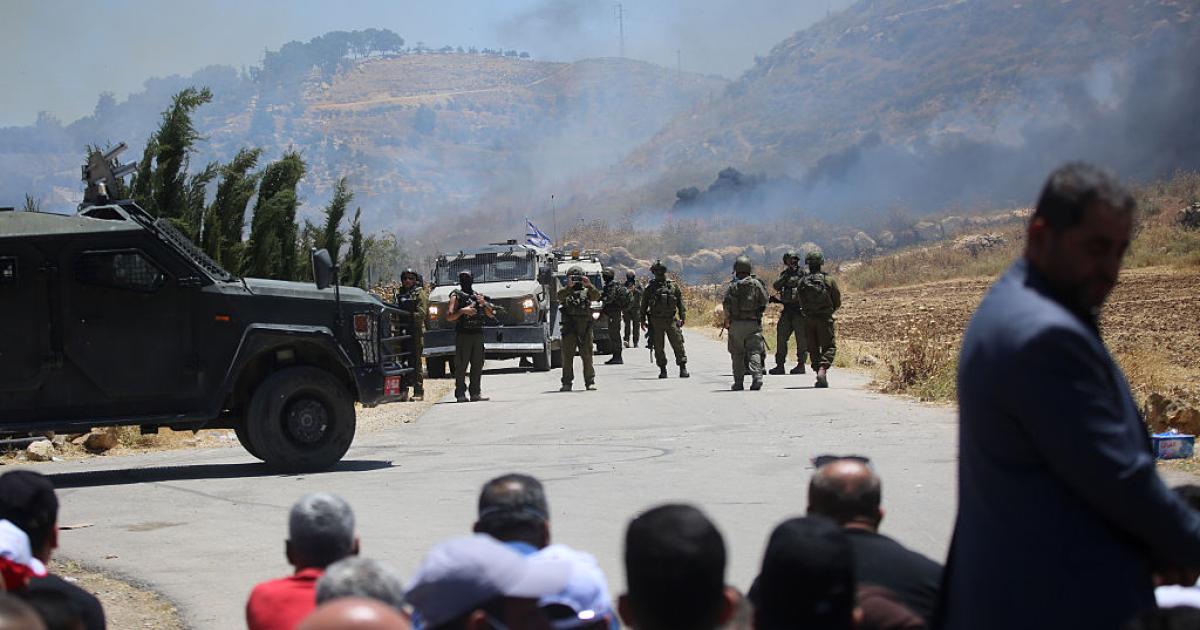
The newspaper noted that "to prevent Hamas members from infiltrating the temporary neighborhoods, the Israeli army and the General Security Service (Shabak) will establish crossings on the yellow line, including checkpoints and inspections, where they will ensure, among other things, through modern technological means (such as facial recognition and AI-based magnetic measuring devices) that Hamas members do not infiltrate or settle in the temporary neighborhoods, and that they do not smuggle weapons into them."
It confirmed that "the army has already begun working on planning these barriers and checkpoints that will allow the residents of (New Gaza) to be freed from the threat of Hamas and receive direct humanitarian aid from international relief organizations (the GHF organization, which operated under the auspices and funding of Israel, also halted its operations at the request of the mediators).
It added that alongside the establishment of aid distribution centers and the construction of temporary neighborhoods, contractors (likely Egyptians) will begin debris removal, then building the new Gaza, indicating that "the Israeli army has already begun assisting American planners in clearing mines and unexploded ordnance in the areas where it is already operating."
Share your opinion
An Israeli plan to isolate Hamas and divide the Gaza Strip... "Checkpoints and inspections"